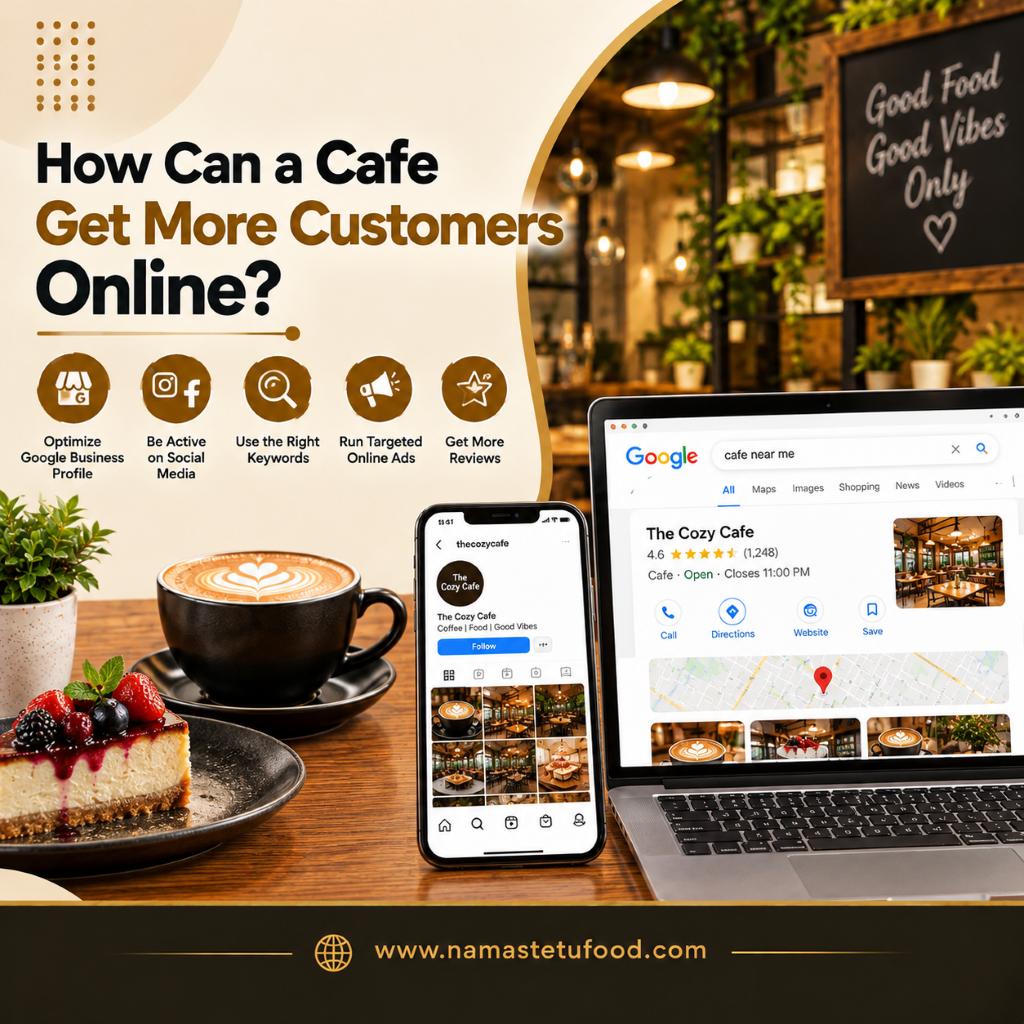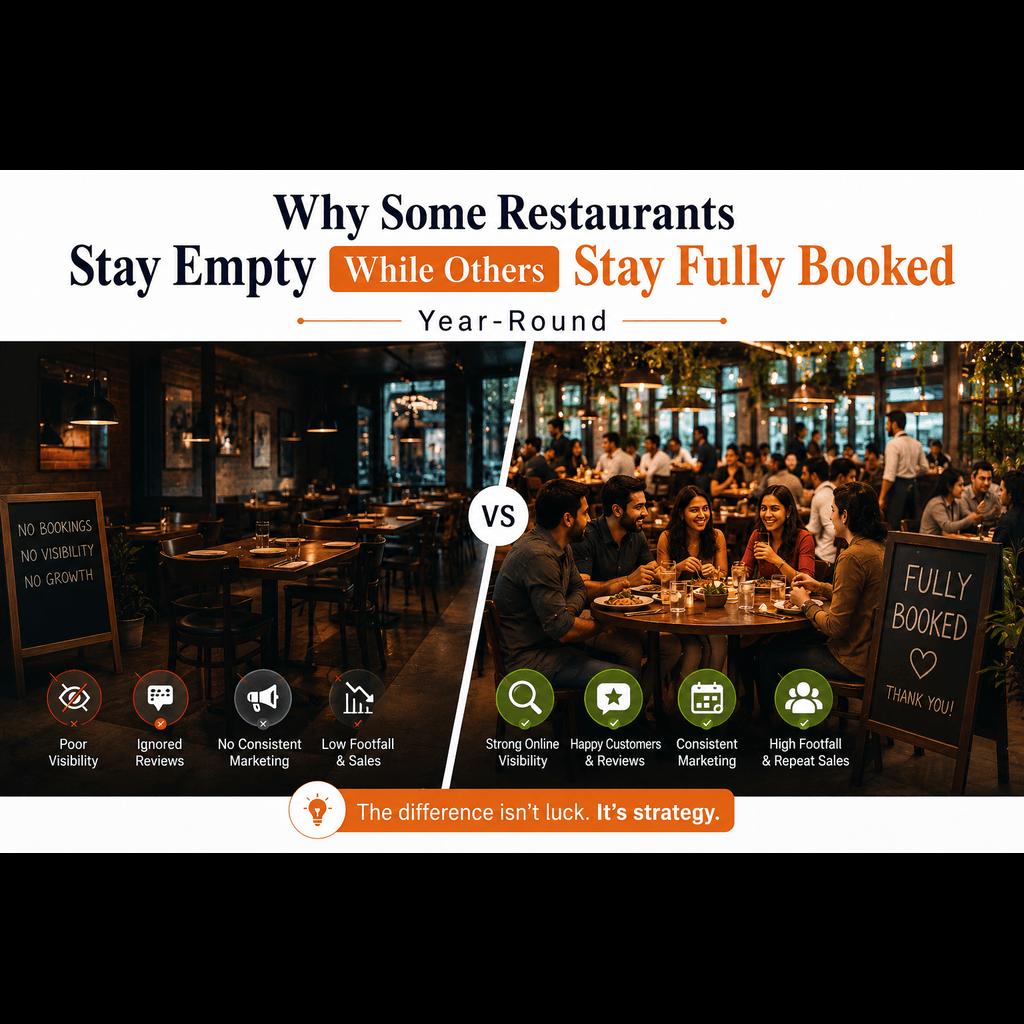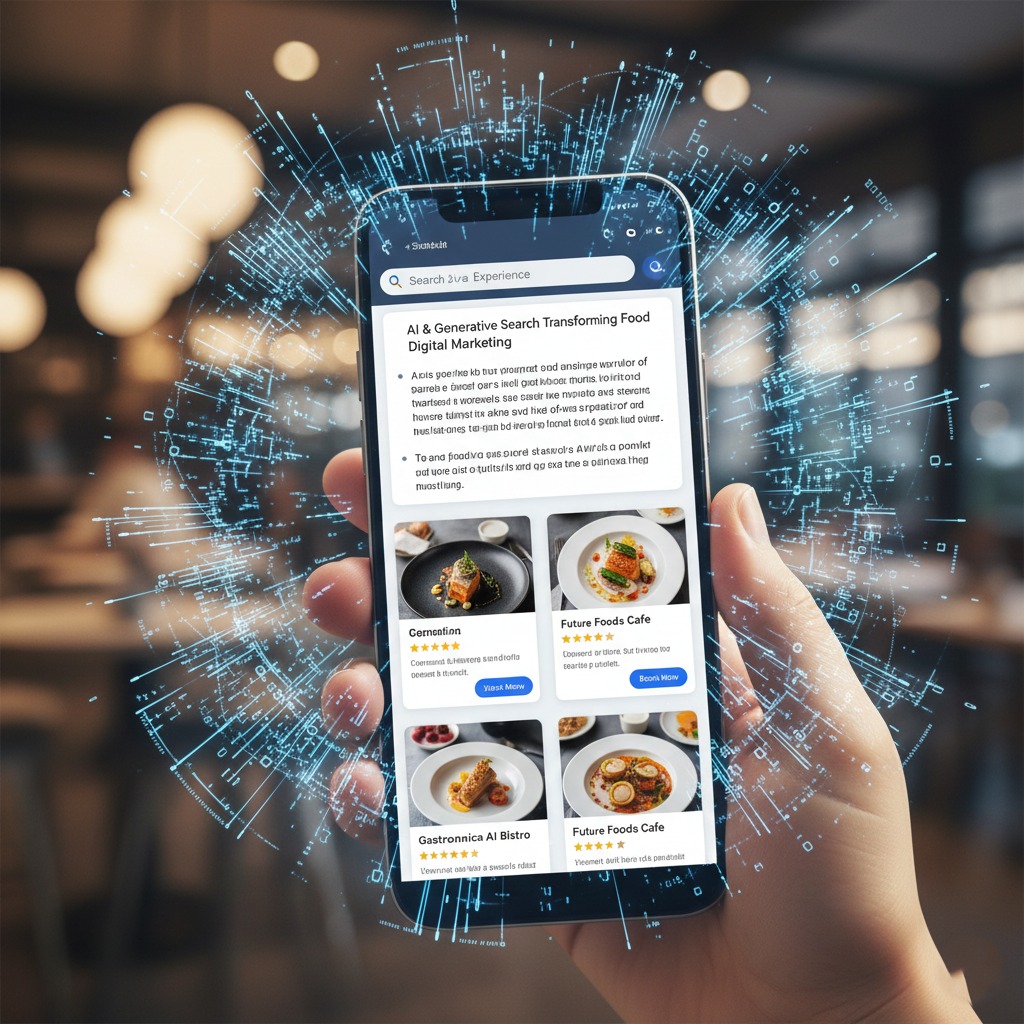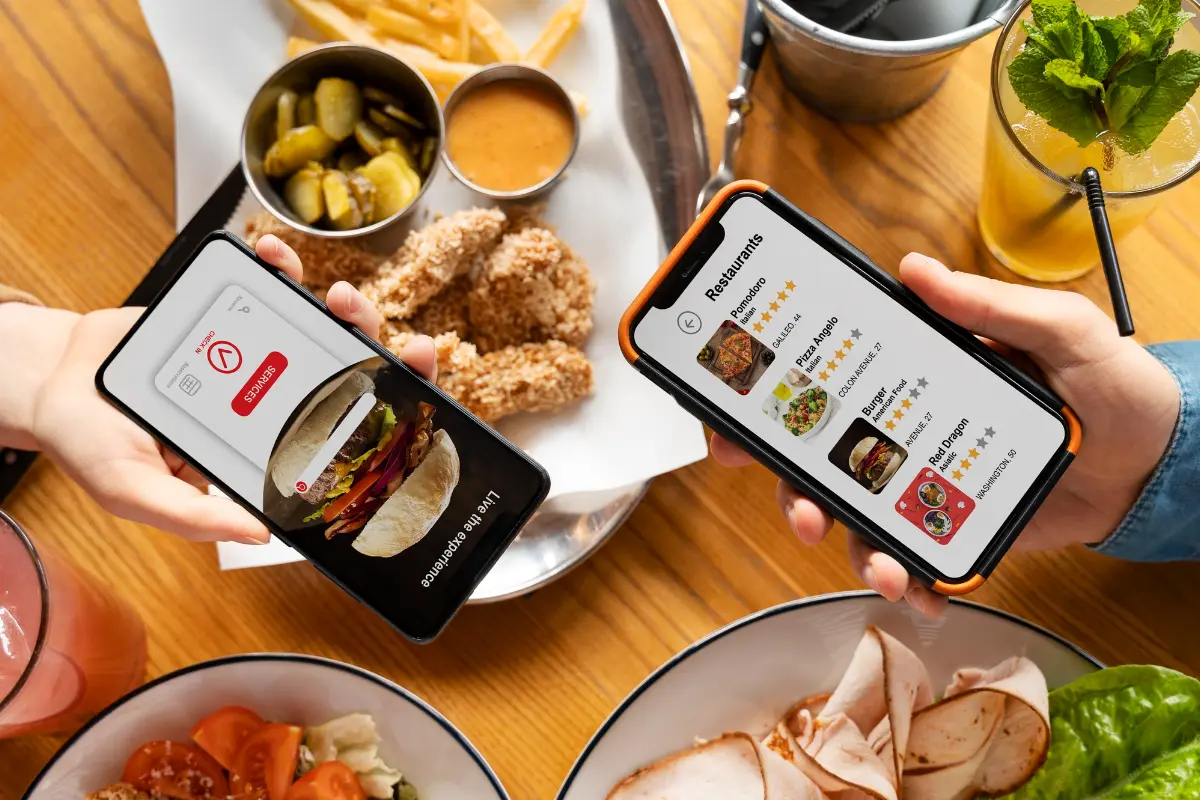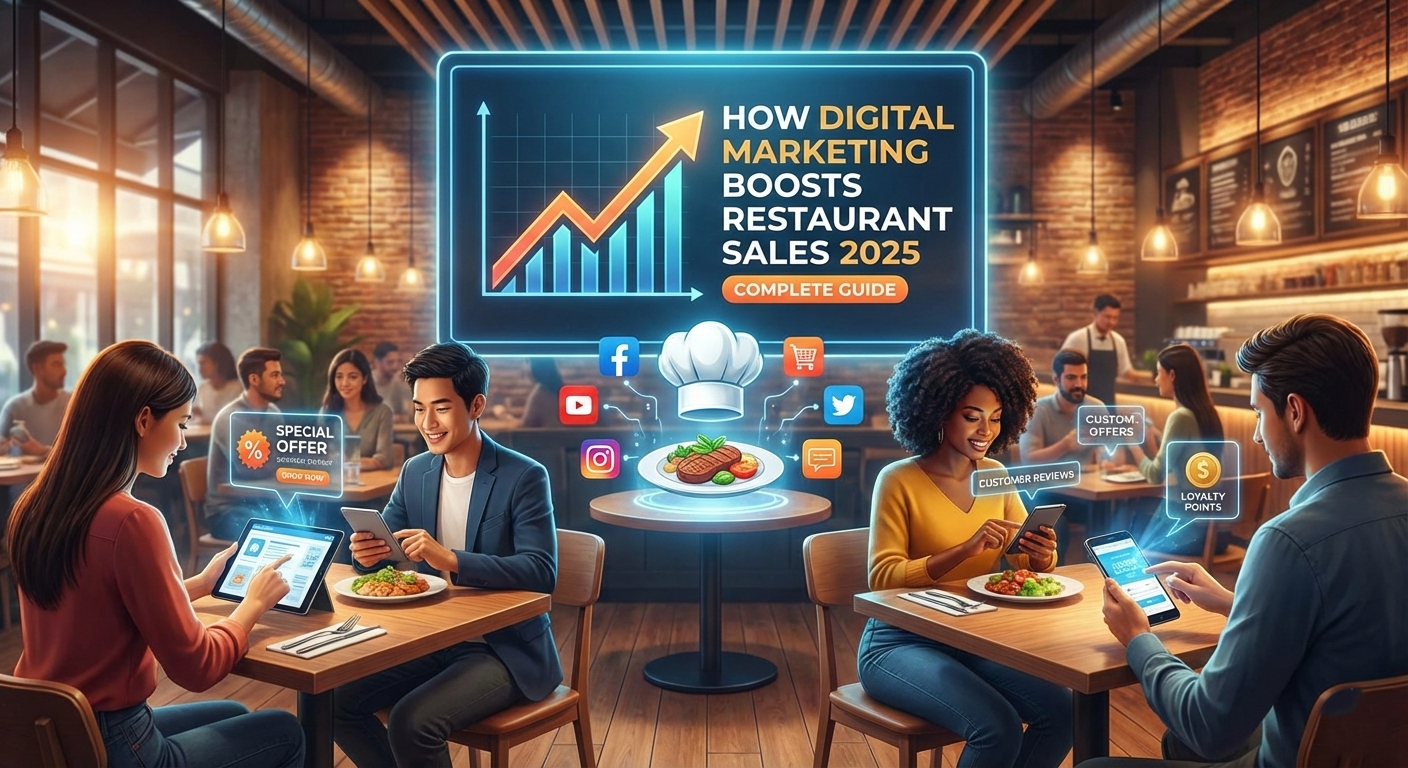

The main benefits of digital marketing for restaurants are higher local visibility, more website and menu traffic, stronger customer engagement, more calls and direction requests, a better online reputation, and measurable results. Customers search on Google, check reviews, and browse social media before choosing where to eat, and digital marketing places a restaurant in front of them at that decision point.
Unlike traditional promotion, digital channels let you target people by location and interests, track every call, click, and visit, and adjust your strategy based on real data. This applies equally to a single cafe and a multi-outlet restaurant chain, which is why digital marketing has become a core part of how food businesses attract and retain customers. Namastetu Food, a digital marketing agency for food in Indore, works with restaurants and cafes on exactly these channels.
Increased Visibility and Reach
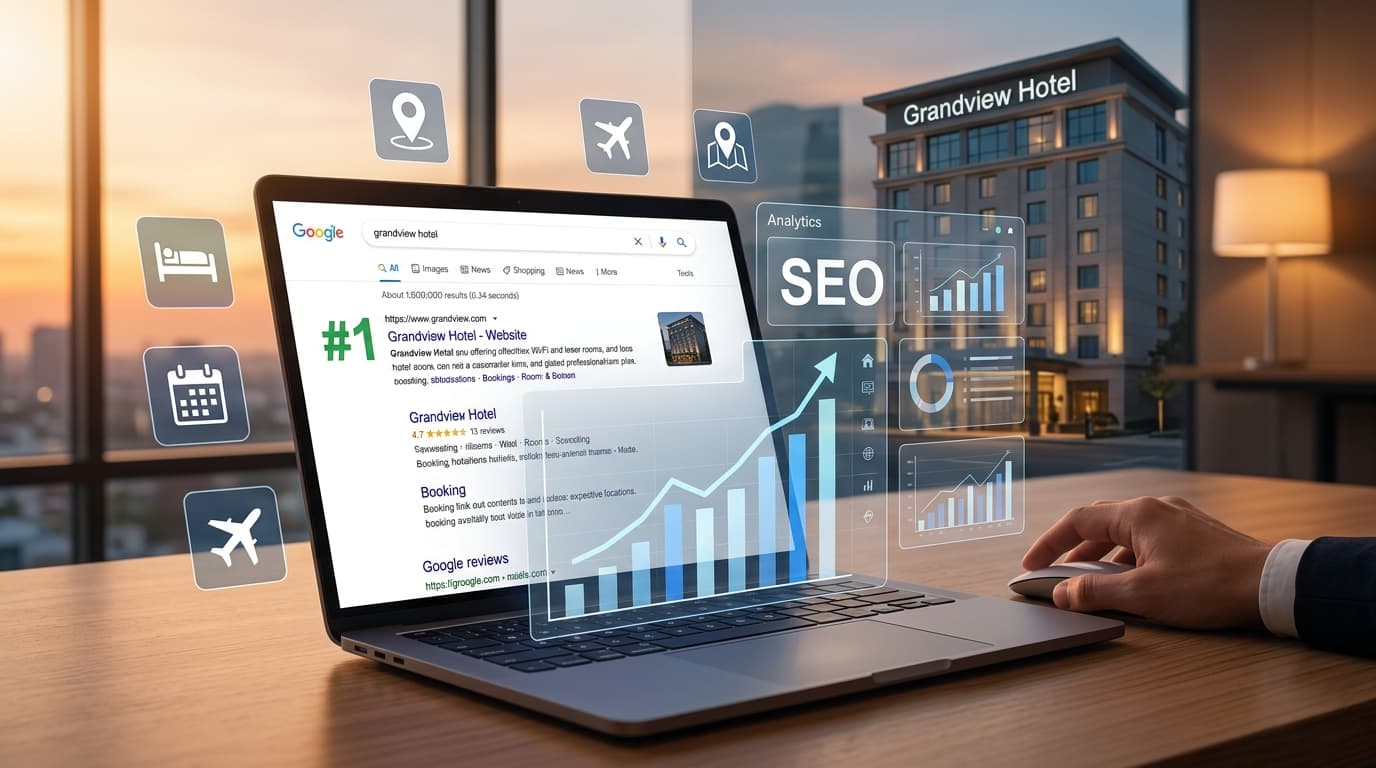
Most diners search online before choosing where to eat, so a restaurant that does not appear in those searches loses customers to the ones that do. Digital marketing increases visibility in the places people actually look: Google search, Google Maps, and social media feeds.
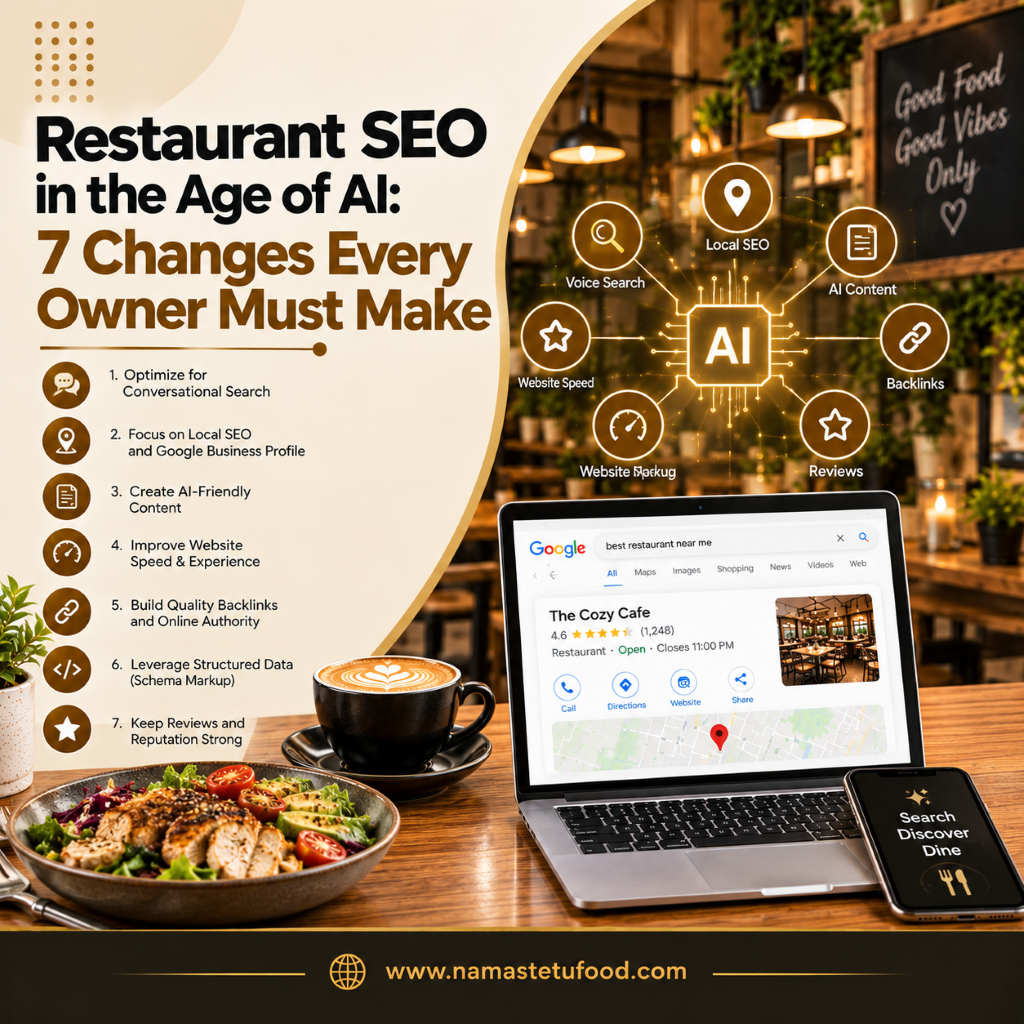
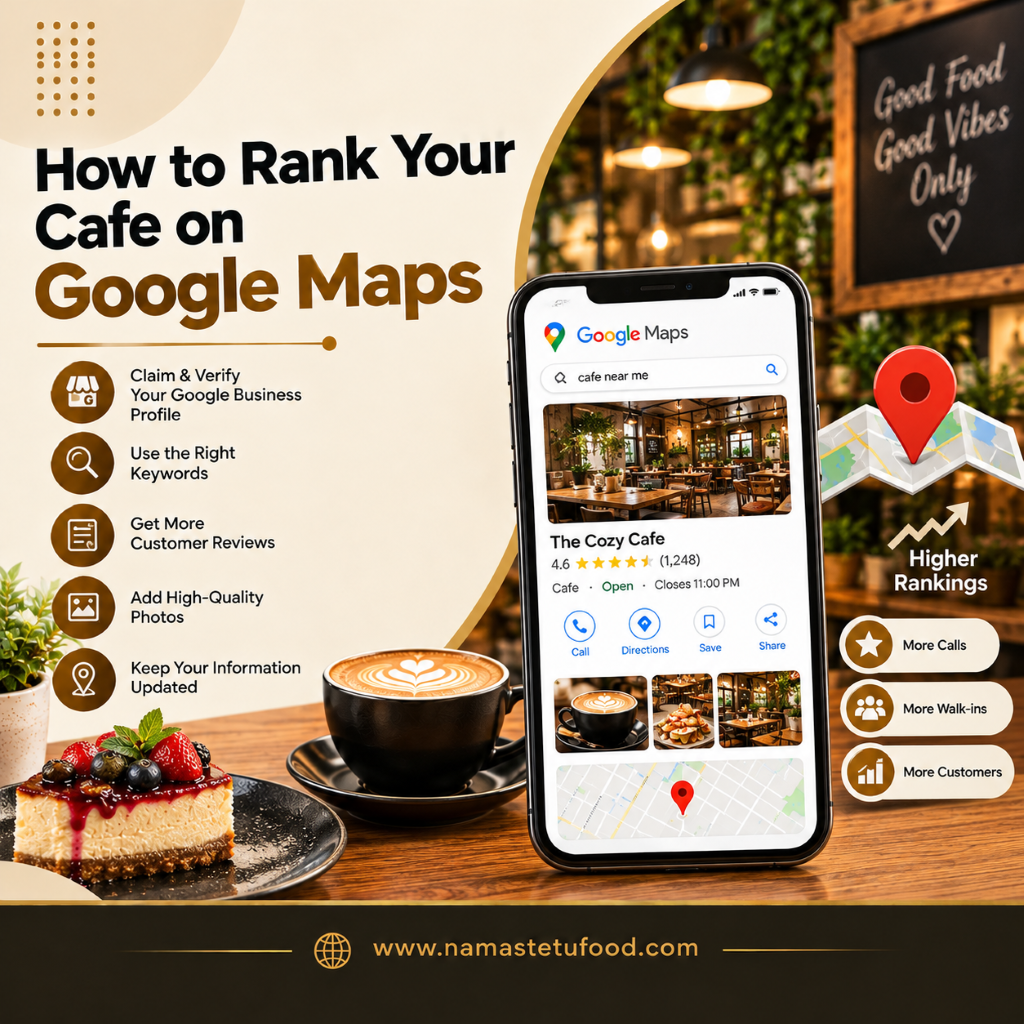
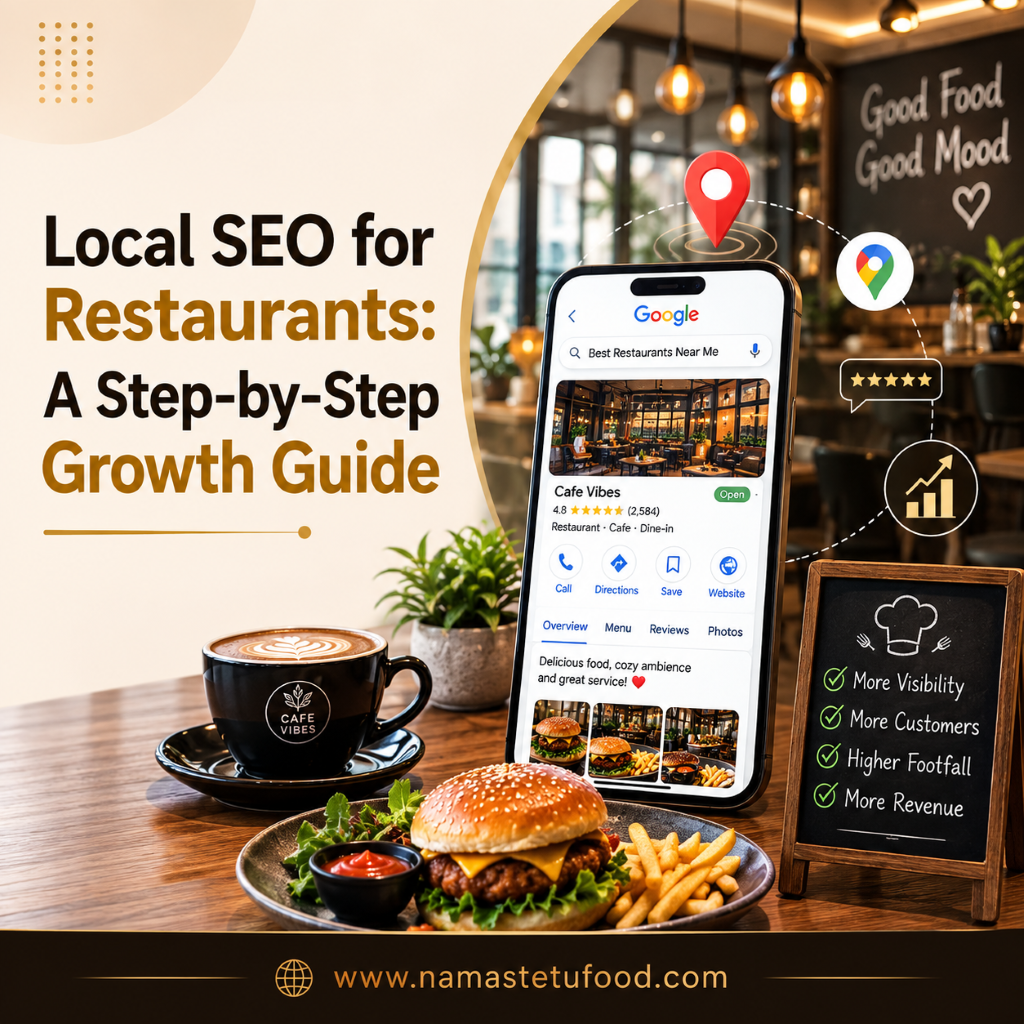
- Wider Audience Reach: Local SEO and an optimized Google Business Profile place your restaurant in search results and the Map Pack when people look for places to eat nearby. Social media platforms like Instagram and Facebook extend this reach to people who have not searched yet but are browsing food content. Consistent posting, photos, and reels keep your restaurant in front of both groups.
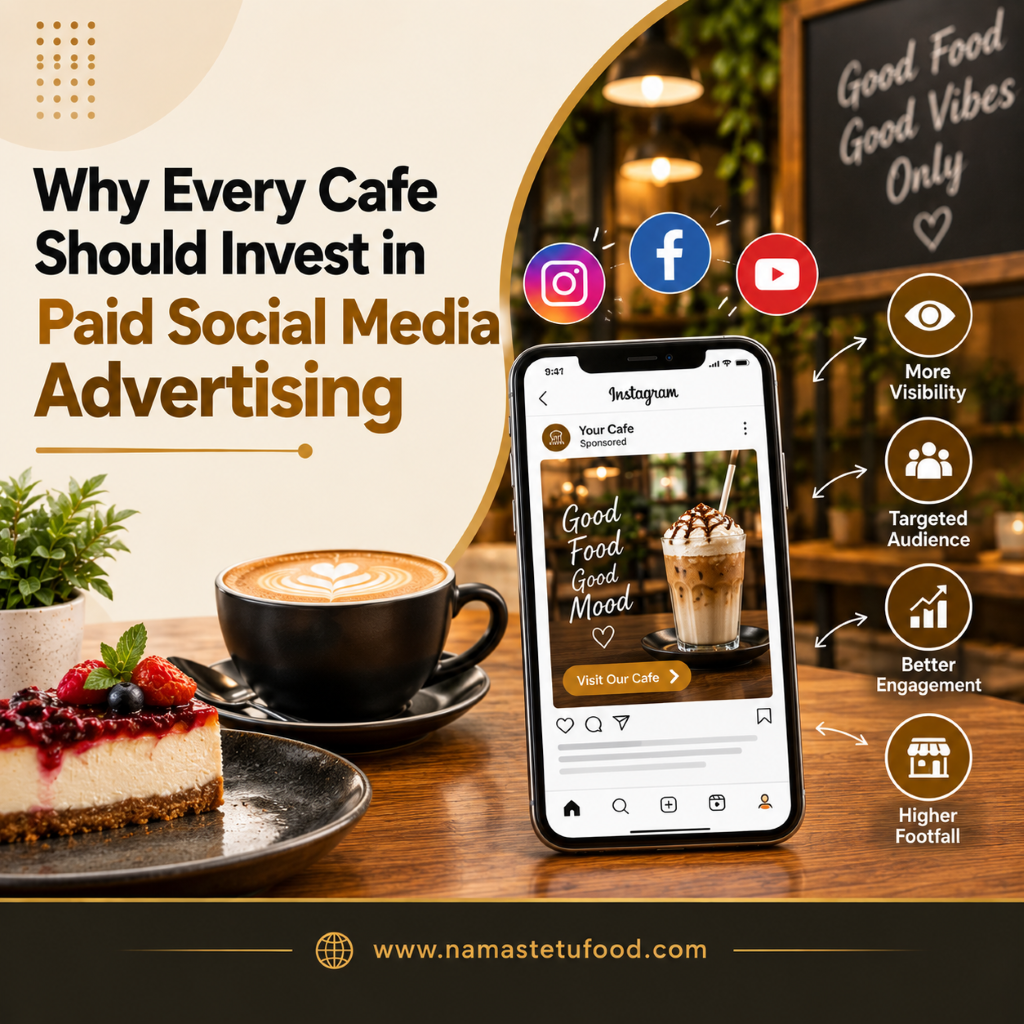
- Targeted Campaigns: Google Ads and Meta Ads (Facebook and Instagram) let you choose who sees your campaign by location, age, interests, and even time of day. A restaurant can show offers only to people within a few kilometres, which keeps the ad budget focused on those most likely to visit.
- Discovery Beyond Your Area: Listings on platforms like Zomato, Swiggy, and Google Maps help new residents, tourists, and office-goers find your restaurant even if they have never heard of it.
- Repeat Visibility: Retargeting ads and regular updates remind people who have already viewed your menu or website, so your restaurant stays top of mind when they decide where to eat.
Improved Customer Engagement
Engaged customers return more often, recommend a restaurant to others, and trust it more than one they know nothing about. Digital marketing gives restaurants direct, regular ways to stay connected with customers before and after they visit.
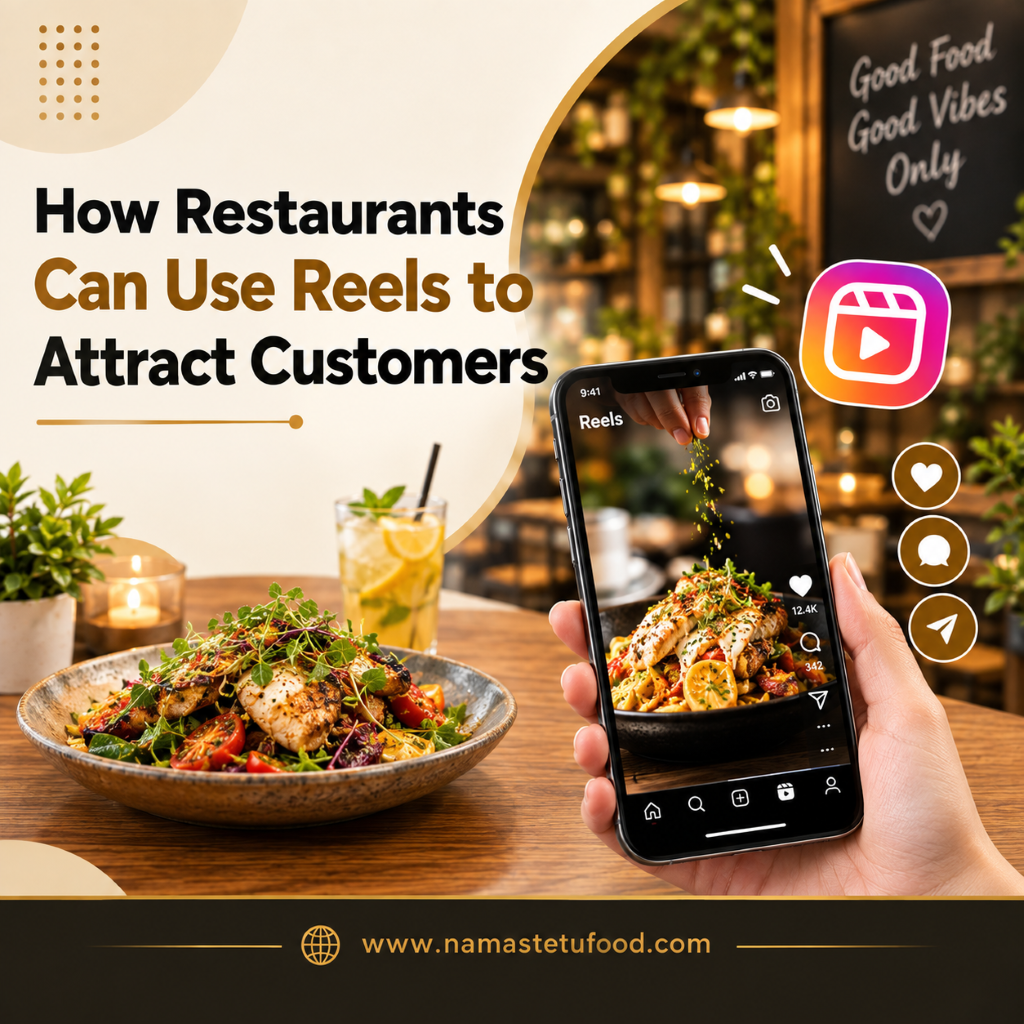
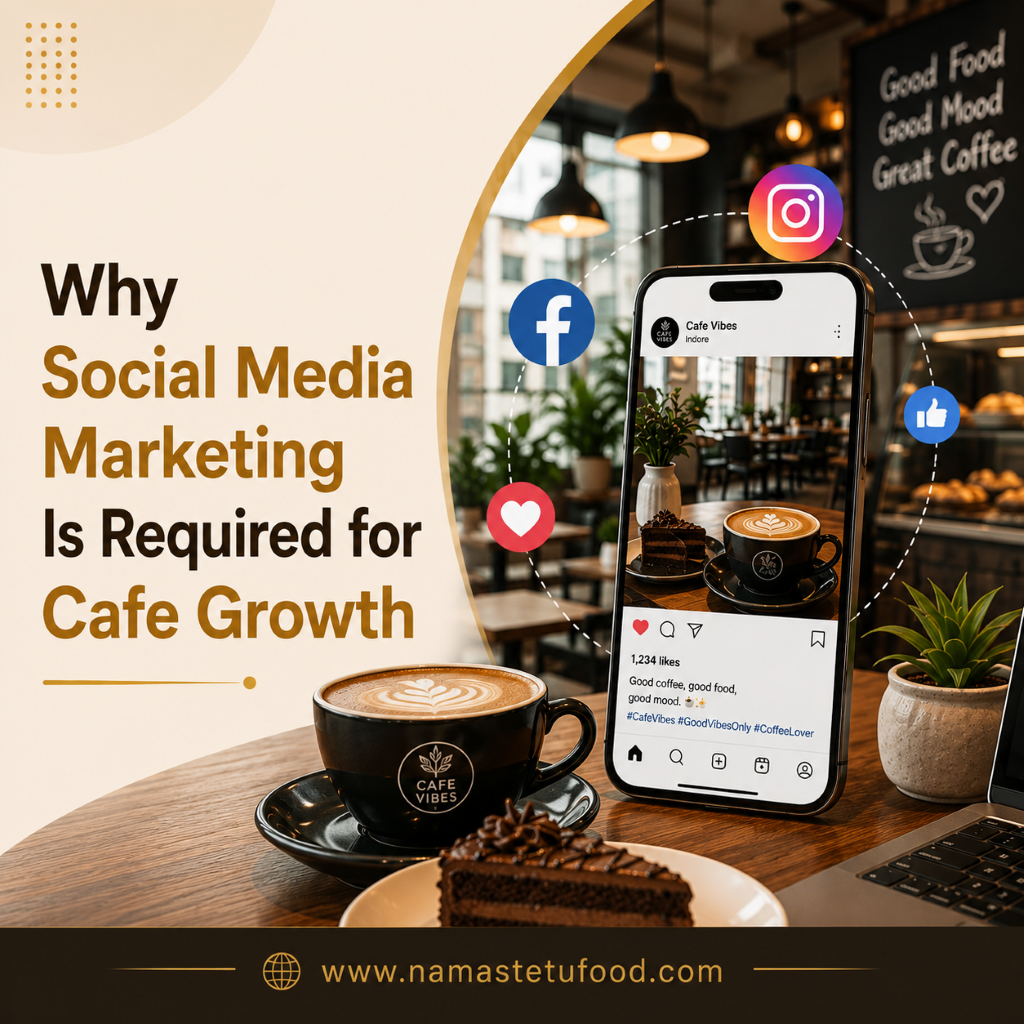
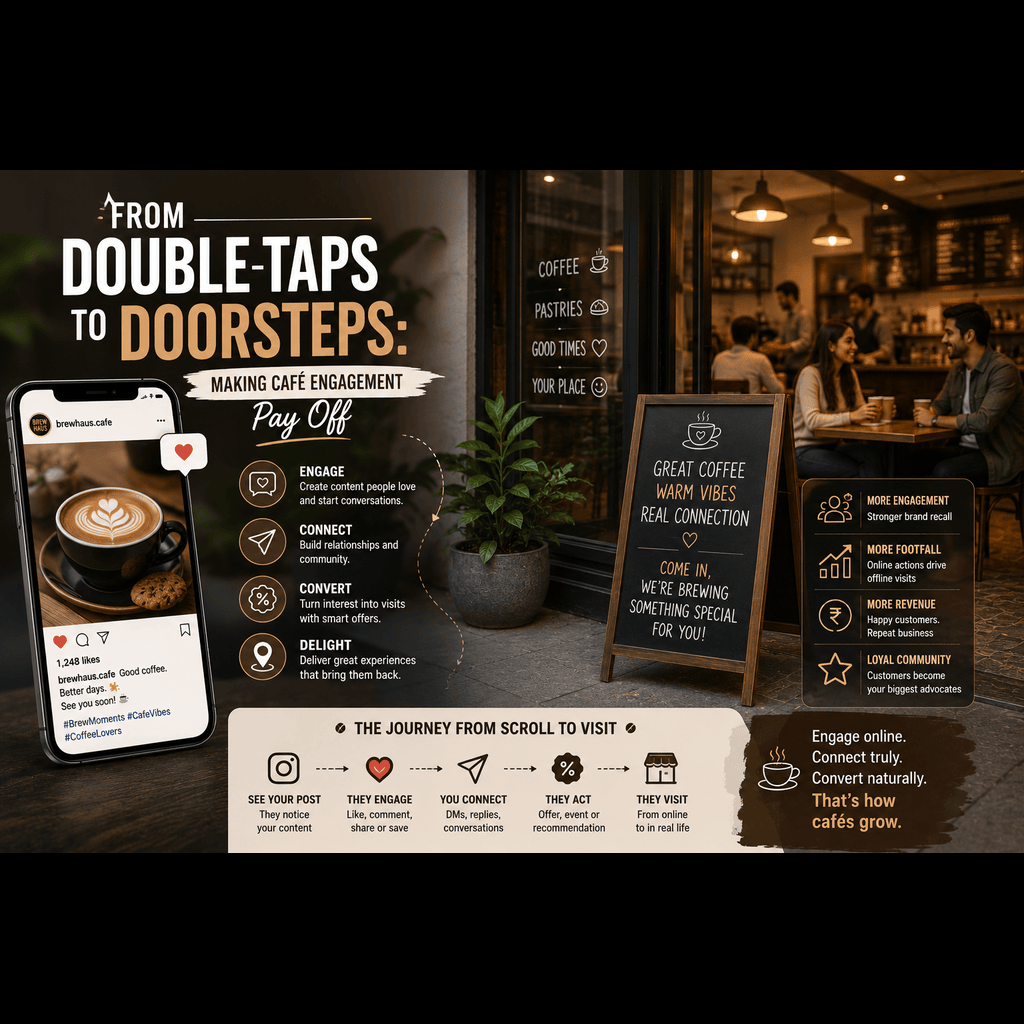
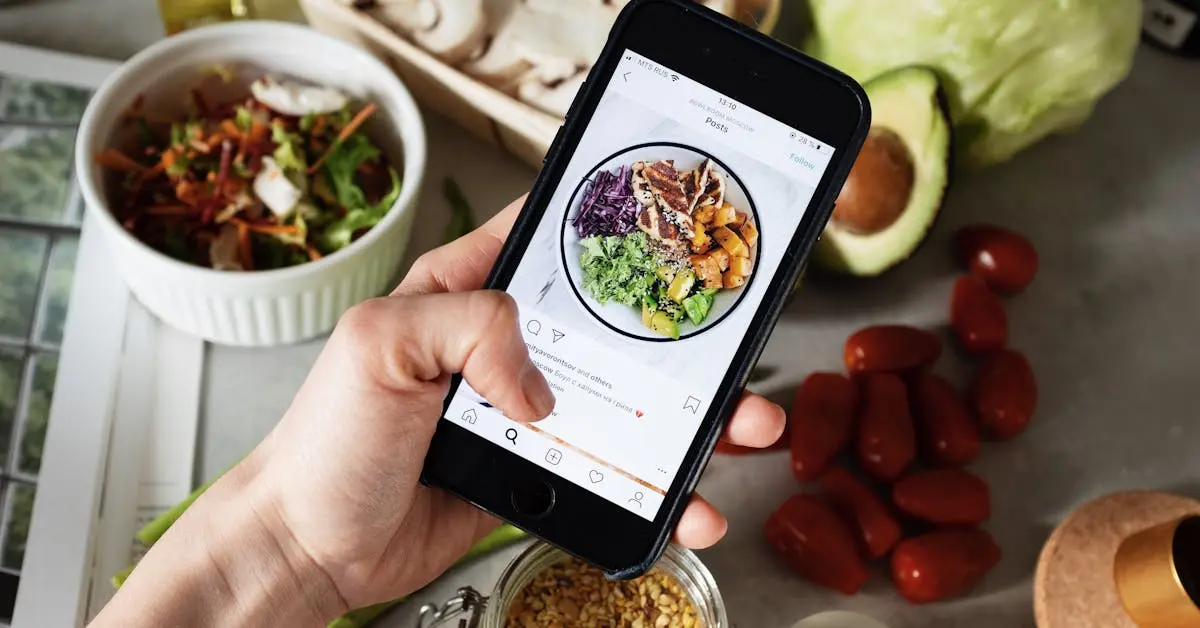
- Social Media Interaction: Instagram and Facebook let you share your menu, new dishes, kitchen moments, and special offers in photos and short videos. Replying to comments and messages, running polls, and sharing customer photos make people feel connected to your restaurant, not just aware of it.
- Email Marketing: Email lets you share offers, events, and seasonal specials directly with customers who have chosen to hear from you. Segmenting your list, for example by frequent visitors and first-time guests, helps each message stay relevant.
- WhatsApp Updates: Opt-in WhatsApp messages about new menu items, table booking details, and limited-time offers reach customers on an app they check daily and often get quicker responses than email.
- Reviews and Feedback: Responding to Google reviews, positively or negatively, shows customers that their opinion matters. It also gives you honest feedback to improve food and service.
- Loyalty and Repeat Visits: Digital offers, birthday messages, and reward programs give past customers a reason to come back, which builds long-term loyalty.
Better Conversion Rates
Visibility and engagement only matter if they lead to action. Conversion is the point where an online interaction becomes a booking, an order, a call, or a visit, and digital marketing for food businesses gives restaurants several ways to make that step easy.
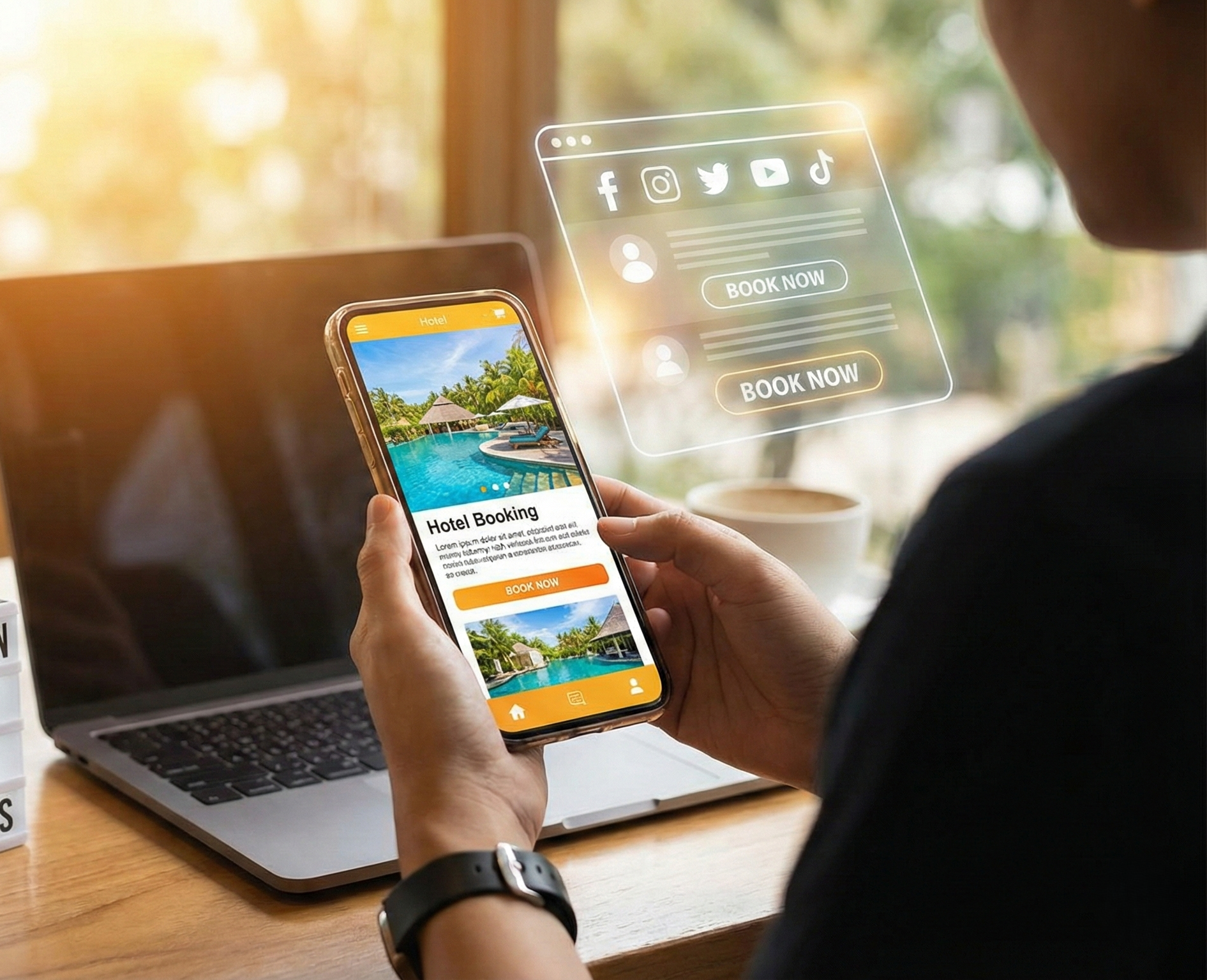
- Online Reservations: A simple booking option on your website, Google Business Profile, and social media pages lets customers reserve a table in a few taps. Fewer steps between interest and booking means fewer people drop off.
- Online Ordering and Delivery: Direct ordering on your website and listings on delivery platforms let customers order from home or the office. A clear menu with prices and photos helps people decide faster and order with confidence.
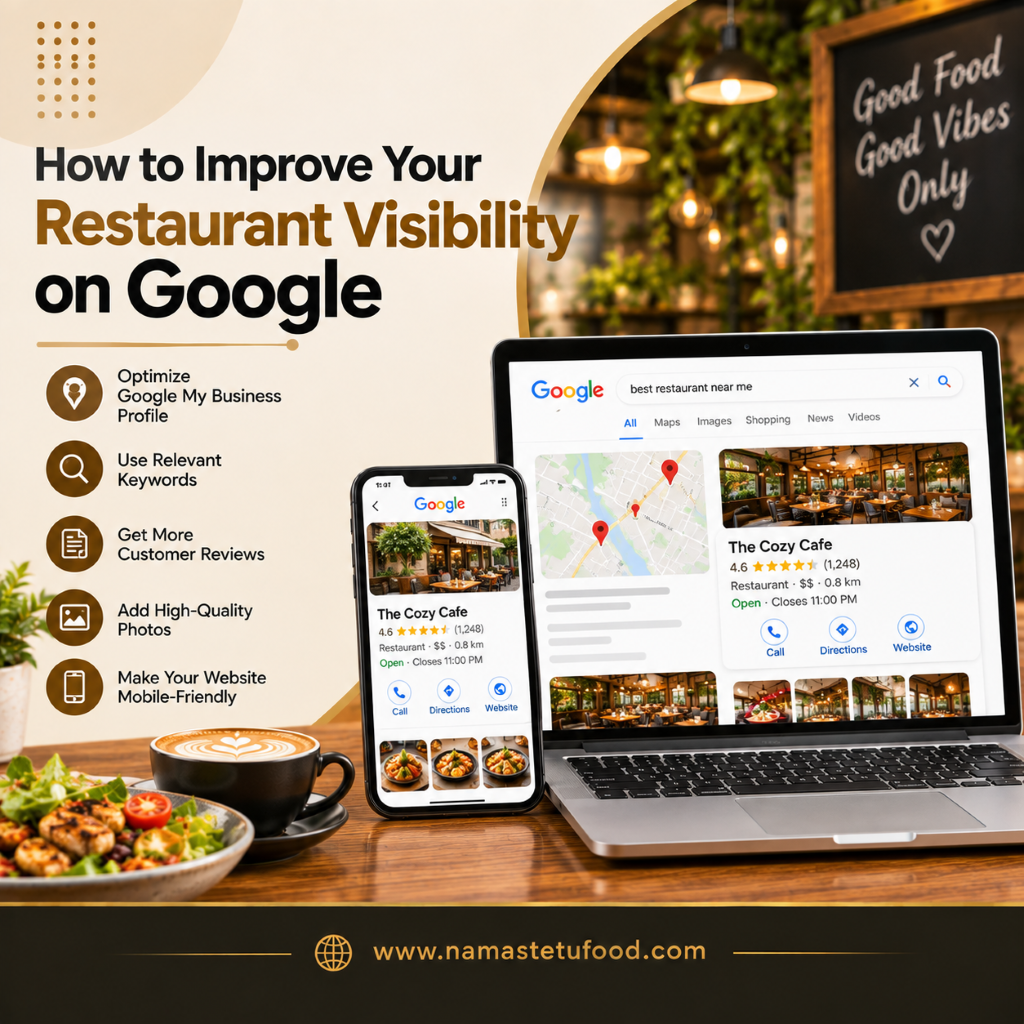
- Click-to-Call and Directions: Call and directions buttons on your Google listing and website turn a search into a phone call or a visit within seconds. This matters most for people searching on mobile who want to eat soon.
- Clear Calls to Action: Buttons like “Book a Table,” “Order Now,” and “Get Directions” on your website, ads, and social posts tell customers exactly what to do next.
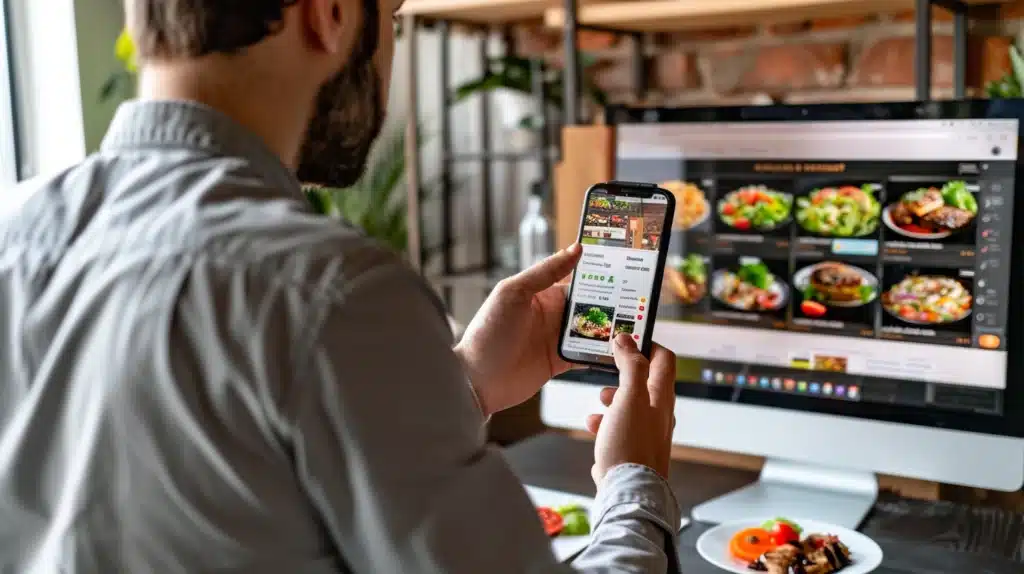
- Fast, Mobile-Friendly Website: Most restaurant searches happen on phones, so a website that loads quickly and shows the menu, timings, and location clearly keeps visitors from leaving before they act.
- Trackable Conversions: Tools like Google Analytics and Google Business Profile insights show how many people called, requested directions, booked, or ordered. You can see which channel brings the most customers and put more budget there.
Cost-Effective Marketing
Traditional advertising such as newspaper ads, hoardings, and pamphlets costs a fixed amount and offers little insight into who saw it or whether it brought anyone in. Digital marketing for restaurants works differently: you control the spend, choose the audience, and see the results.
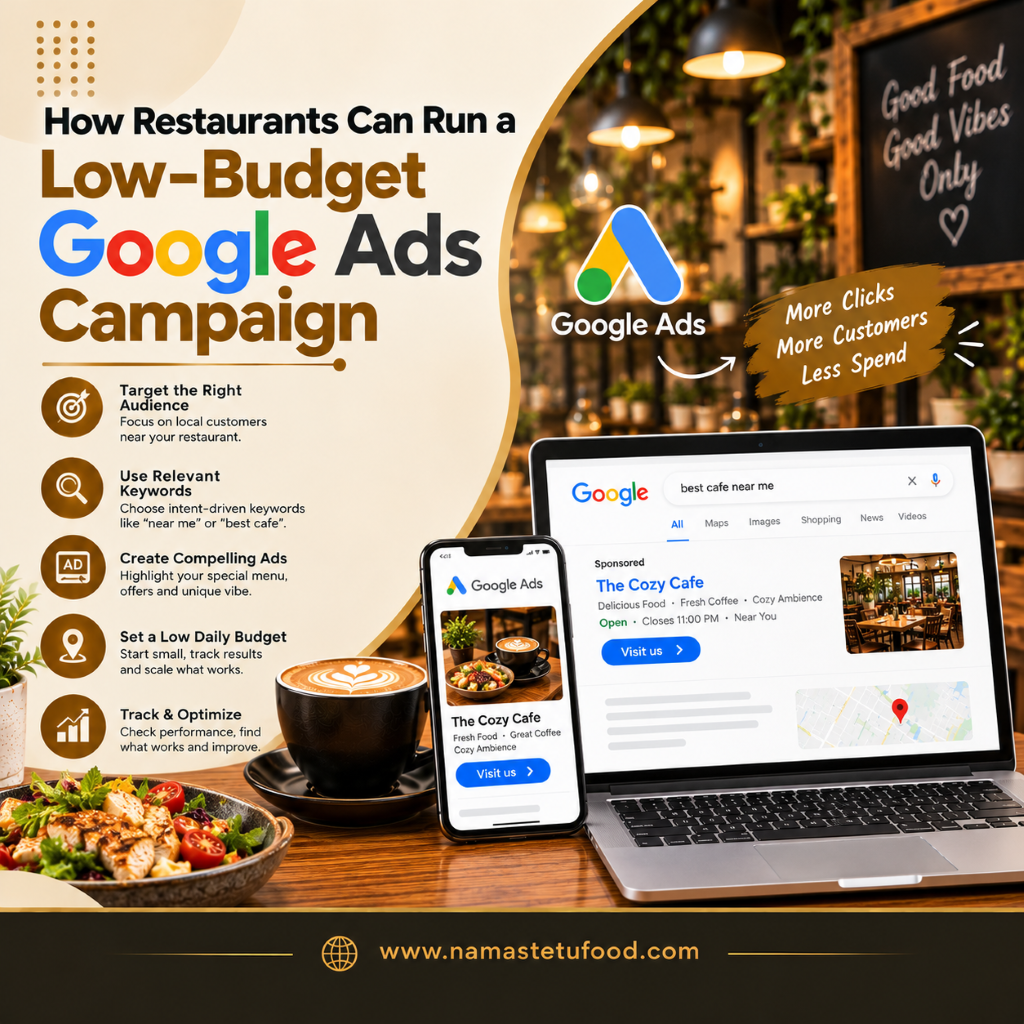
- Flexible Ad Budgets: Google Ads and Meta Ads let you start with a small daily budget and increase or pause it at any time. A restaurant can run a campaign for a single weekend offer or a festival special without a long-term commitment.
- Pay for Results: With pay-per-click and location-based campaigns, your budget goes toward people who are actually searching or interested, not toward a general audience that may never visit.
- Free and Low-Cost Channels: A Google Business Profile, social media posts, and WhatsApp updates cost little or nothing to set up and bring steady visibility. Local SEO builds long-term results that continue after the work is done, unlike a print ad that ends when the campaign ends.
- Real-Time Tracking: Dashboards show clicks, calls, direction requests, bookings, and orders as they happen. If one ad or post performs poorly, you can change it immediately instead of waiting for a campaign to finish.
- Clear Return on Investment: By comparing ad spend with the orders and visits it generates, you can see which channels give the best return and move your budget there.
Boosted Reputation and Trust
Before choosing a restaurant, most people read its Google reviews, look at the rating, and check recent photos. A strong online reputation makes that decision easier, and a weak one sends customers elsewhere. Digital marketing gives restaurants a structured way to build and protect that reputation.
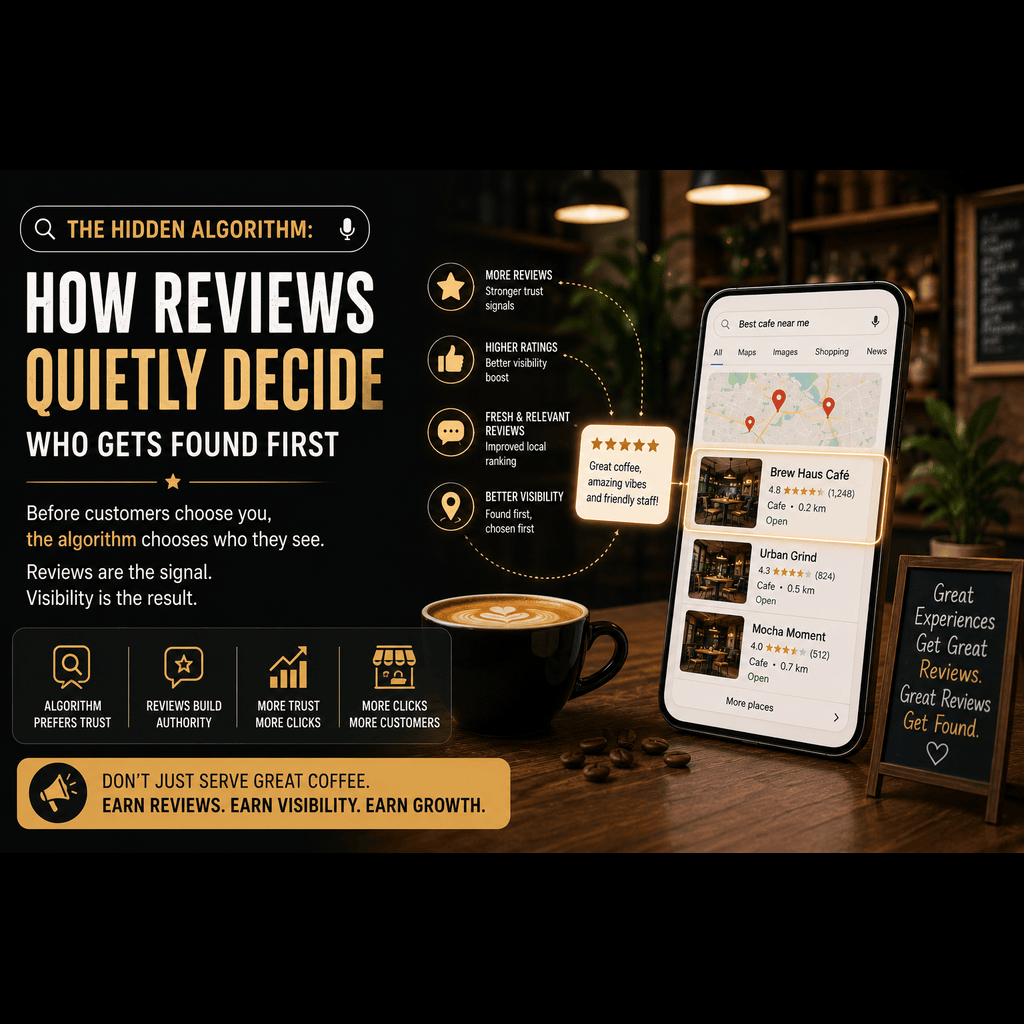
- Customer Reviews and Testimonials: Ask satisfied customers to leave a review on Google, Zomato, and other platforms where your restaurant is listed. A direct review link shared through QR codes on tables, bills, or WhatsApp makes it quick to do. Review count, rating, and recency also influence local search rankings, so reviews build both trust and visibility.
- Responding to Feedback: Reply to every review, positive or negative, in a polite and timely way. A calm, helpful response to a complaint shows future customers that the restaurant takes service seriously, and it often changes how that reviewer feels too.
- Showcasing Social Proof: Sharing customer photos, testimonials, and positive reviews on your website and social media pages gives new visitors real proof of what to expect.
- Consistent Business Information: Accurate name, address, phone number, timings, and menu across Google, delivery apps, and directories show that the restaurant is active and reliable. Outdated details frustrate customers and weaken trust.
- Monitoring Your Online Mentions: Tracking reviews, tags, and comments across platforms helps you spot problems early and fix them before they affect your rating.
- Authentic Reviews Only: Buying or posting fake reviews can lead to penalties from Google and damages credibility. Genuine feedback, even when imperfect, builds lasting trust.
Why Choose Namastetu Food for Your Restaurant’s Digital Marketing?
Choosing the right digital marketing agency for food in Indore affects how well a restaurant’s marketing plan performs in practice. Namastetu Food works with restaurants and cafes and focuses on the channels that bring nearby customers through the door.
- Food Industry Expertise: As an agency that works with food businesses, Namastetu Food understands how customers search for, choose, and review places to eat. That knowledge shapes which keywords, photos, offers, and platforms are used for each restaurant.
- Tailored Marketing Plans: Each plan is built around the restaurant’s location, menu, target audience, and local competition, so the budget goes to the channels that suit that business.
- Complete Channel Coverage: Google Business Profile optimization, local SEO, social media, review management, and location-based ads are handled together, so every channel supports the others.
- Transparent Reporting: Restaurants receive clear data on calls, direction requests, website visits, bookings, and review growth, so the results of every campaign are visible.
Frequently Asked Questions About the Benefits of Digital Marketing for Restaurants
What are the main benefits of digital marketing for restaurants?
The main benefits are higher local visibility, stronger customer engagement, better conversion of searches into bookings and orders, cost-effective advertising with trackable results, and a stronger online reputation through reviews.
Is digital marketing better than traditional advertising for restaurants?
For most restaurants, yes. Digital marketing lets you target people by location and interests, control your budget, and track calls, clicks, bookings, and orders. Traditional advertising such as newspaper ads and hoardings costs a fixed amount and gives little insight into results.
How long does it take to see results from restaurant digital marketing?
Paid ads and social media can bring visibility within days or weeks. Local SEO and review building take longer, and most restaurants see steady improvement over a few months of consistent work.
Which digital marketing channels work best for restaurants?
Google Business Profile and local SEO help nearby customers find you, Instagram and Facebook build interest through food visuals, and Google Ads and Meta Ads reach targeted audiences. WhatsApp and email help bring past customers back.
Can small restaurants and cafes benefit from digital marketing?
Yes. Free and low-cost channels like a Google Business Profile, social media, and WhatsApp updates suit small budgets, and ads can start with a small daily spend that you increase as results come in.
Conclusion
Digital marketing gives restaurants a clear path from being searched to being chosen. It improves visibility on Google and social media, keeps customers engaged through posts, email, and WhatsApp, and makes it easier to turn interest into bookings, orders, and visits. It also controls costs through flexible budgets and real-time tracking, and it builds the reviews and trust that influence where people decide to eat.
Restaurants that treat these benefits as one connected system, rather than separate tasks, see stronger and more consistent results over time. Those that delay leave nearby customers to competitors who are already visible and trusted online.
Ready to bring more customers to your restaurant? Connect with Namastetu Food today and get a digital marketing plan built around your restaurant’s location, menu, and goals.