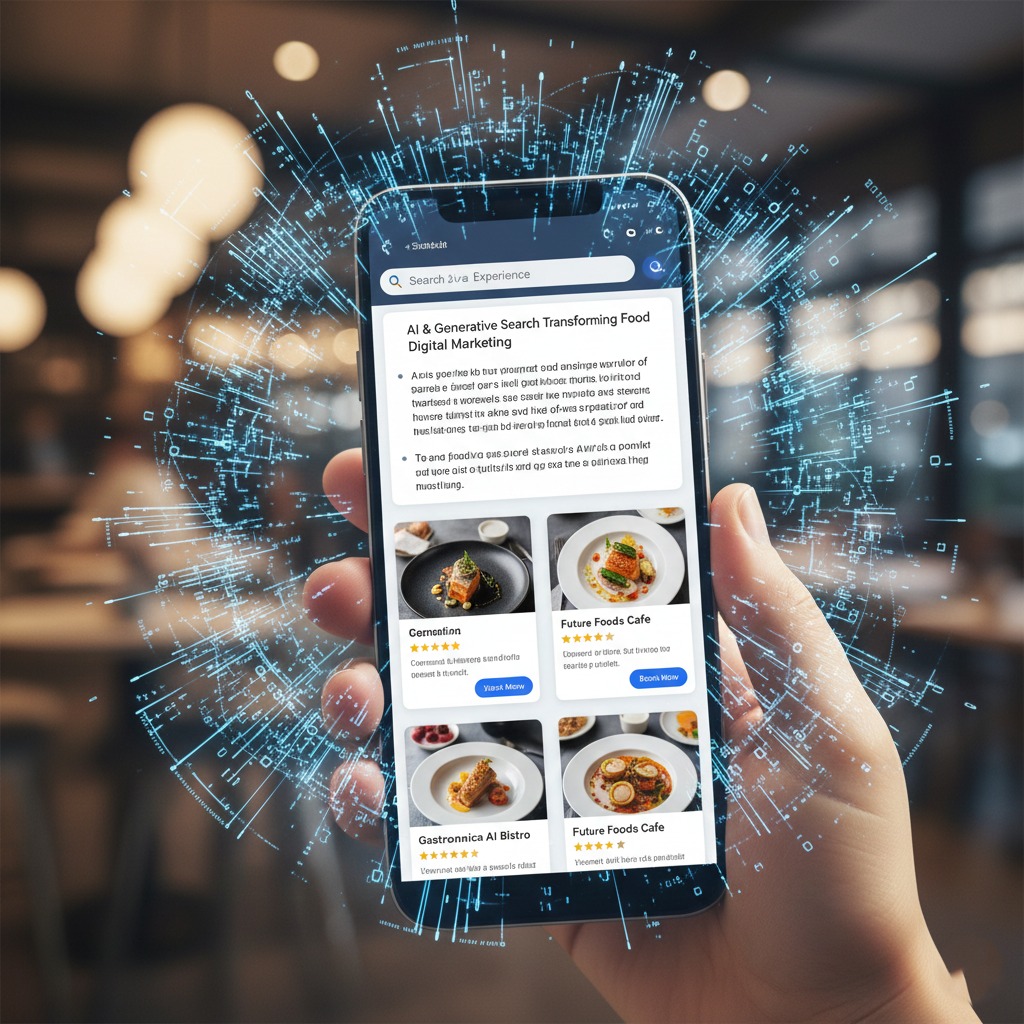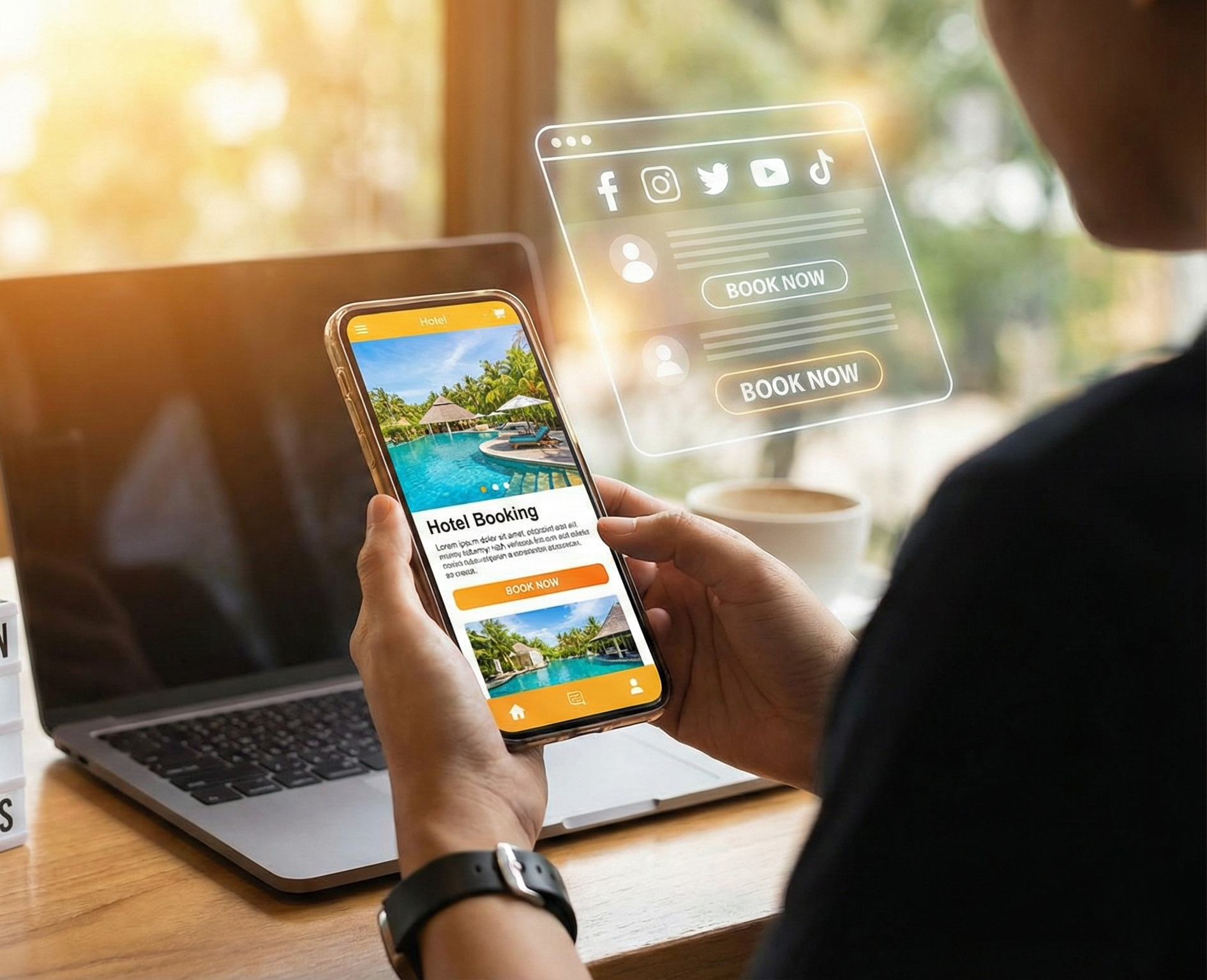
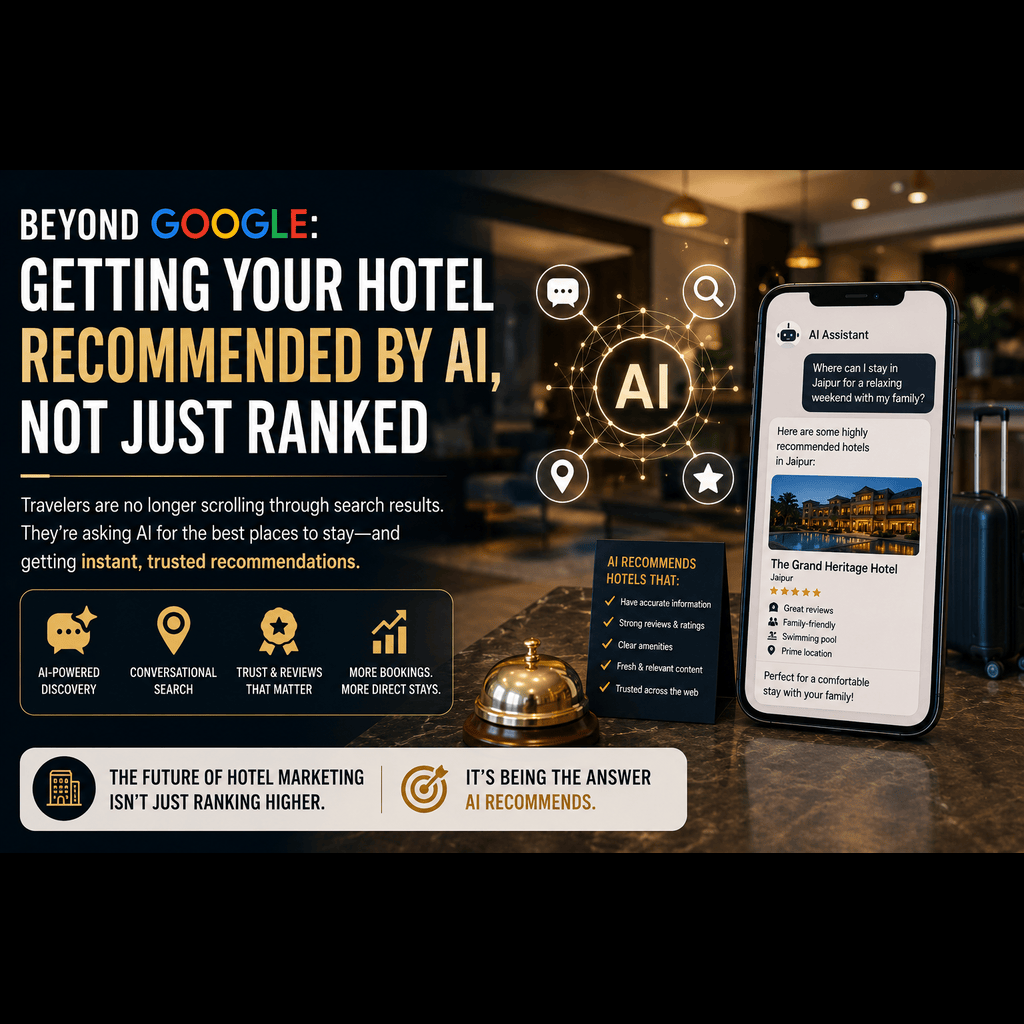
A tourist no longer simply searches “top hotels in Jaipur” on Google and browses through ten blue links. More frequently, they inquire directly to ChatGPT, Gemini, or Perplexity, asking questions like “Where can I stay in Jaipur for a weekend with my family?” and get an assured, conversational response with three or four suggested accommodations. As stated in Google’s Search Central documentation, AI Overviews and AI Mode now appear above or next to conventional results for an increasing portion of travel-related searches, indicating that a hotel can perform well on Google yet remain unseen in the answer a traveler reads.
This represents the latest visibility gap in hospitality. Hotels with strong SEO established over the last ten years are realizing that ranking positions and AI recommendations are different contests now. A property ranked eighth on Google could be the one referenced in an AI Overview, whereas the top listing might not be mentioned at all. For independent hotels and small chains facing competition from large-budget brands, this change represents an opportunity — AI visibility values clarity and organization, not solely marketing expenditures.
Why Traditional SEO Alone No Longer Guarantees Visibility
For years, digital marketing services for hotels concentrated mainly on optimizing keywords, backlinks, and factors influencing Google’s rankings. That foundation remains important since a page that cannot be indexed will never show up in an AI-generated response.
This indicates that a hotel’s visibility now relies on factors that conventional SEO checklists usually overlook completely:
- If your website content is organized sufficiently for an AI model to derive a reliable answer.
- Ensuring that your Google Business Profile, review sites, and website convey a unified and specific narrative.
- If your content responds to the specific conversational inquiries travelers pose to AI assistants.
- If third-party sources, like travel blogs, review aggregators, and local publications, refer to your property with adequate detail and up-to-date information.
A hotel may boast great on-page SEO but can still be overlooked by an AI assistant if its details are disorganized, unclear, or inconsistent online. This represents a nuanced yet crucial change: a search engine identifies the most relevant page it can locate, whereas an AI assistant compiles a single response from the sources it deems most reliable for that particular inquiry. If the narrative of your property varies on your website, your Google Business Profile, and an external travel blog, the model receives no definitive signal to rely on. Consequently, it is much more probable to suggest a rival whose details are uniform across all platforms.
What AI Assistants Actually Look For When Recommending a Hotel
Digital marketing for hotel establishments must now consider the methods by which language models retrieve and synthesize information, which differs significantly from the way a search engine ranks a webpage.
A property’s recommendation is constantly influenced by a few factors:
- Structured data (schema markup) — The Hotel or Lodging Business schema provides AI systems with clear details regarding your name, location, star rating, and price range. Pages lacking it compel the model to infer from unstructured text, frequently resulting in it overlooking your property altogether.
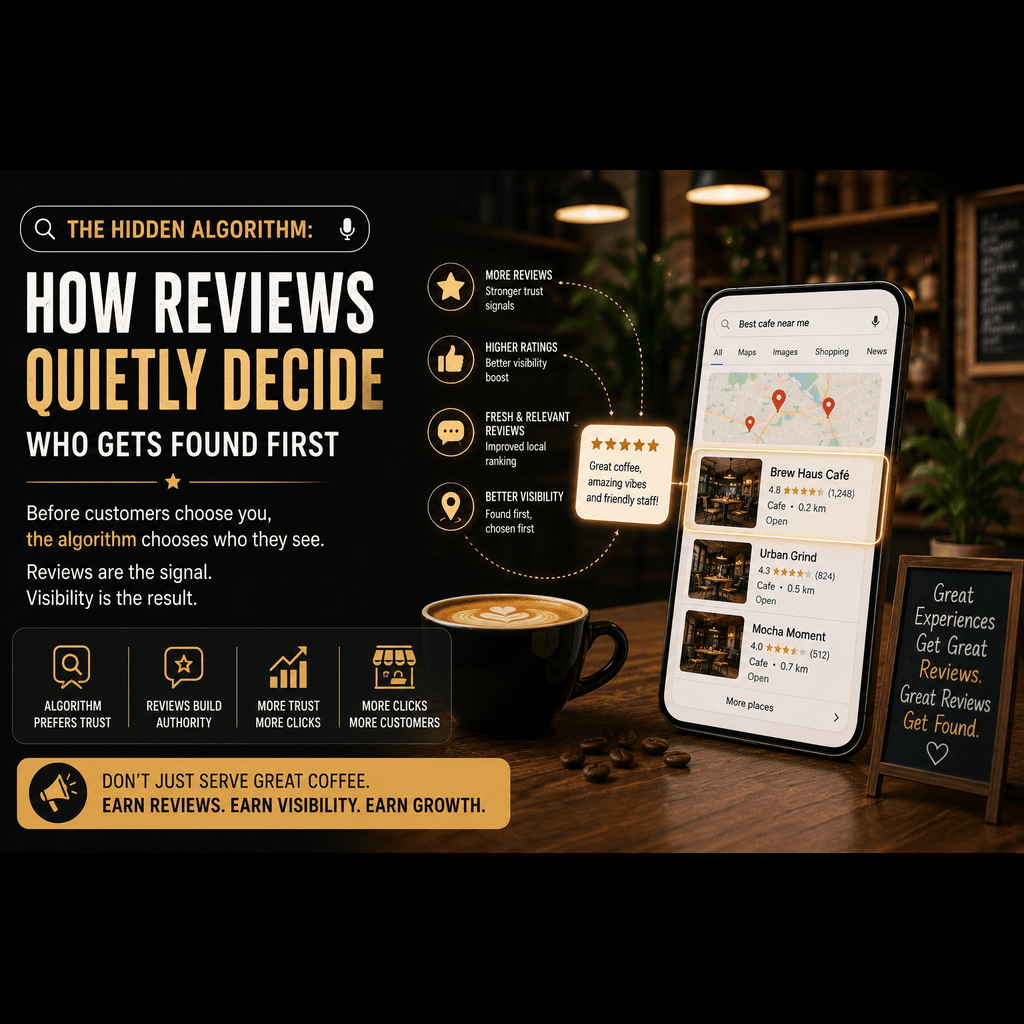
- Review recency and sentiment — AI systems evaluate the recency and positivity of your hotel reviews on Google, Booking.com, and other similar platforms. Weak or sparse reviews subtly decrease mention frequency.
- Self-contained, specific answers — well-crafted 60-90 word replies to specific inquiries (“Is this hotel suitable for solo female travelers?”) are much easier to extract than lengthy, disorganized paragraphs.
- FAQ content with matching markup — a clear FAQ section featuring FAQ Page schema provides AI assistants with preformatted answer blocks that align directly with travelers’ inquiries.
- Third-party authority — references in travel magazines, regional guides, and review sites hold significance because AI systems view them as objective validation, rather than self-promotion.
Voice Search Changes the Question, Not Just the Channel
Voice searches via smart speakers, in-car systems, and mobile voice assistants are generally longer and more conversational compared to typed queries. For instance, a user could state, “Locate a peaceful hotel close to the airport that has a pool,” instead of merely looking up “hotels near the airport.” “Hotel SEO marketing focused solely on short, typed keywords frequently overlooks this completely.”
The shift matters because voice and AI queries skip the list format almost completely. A typed search still shows ten results for someone to evaluate; a voice assistant or AI chatbot typically reads out just one to three options. This significantly narrows the competition because there is no “page two” in a spoken answer and no opportunity for users to scroll past your property in search of another option. Either your hotel is specific and well-documented enough to be one of those one to three mentions, or it simply doesn’t exist in that conversation.
Content built for voice and AI search performs better when it:
- Directly answers full, natural-language questions rather than just targeting fragment keywords
- Uses Speakable schema on key passages — particularly the quick-answer block and FAQ section — built specifically for voice and AI extraction
- Anticipates “near me,” amenity-specific, and traveler-type queries (“best hotel for a business trip in [city],” “pet-friendly hotel near [landmark]”)
- Keeps factual details — distance from landmarks, check-in times, amenity availability — current and consistent across your website and Google Business Profile, since voice assistants have no patience for contradictory information
Practical Steps to Strengthen AI and Voice Visibility
Improving AI visibility does not require abandoning your existing search engine optimization strategies. Instead, it involves adding AI-specific signals that complement and strengthen your current optimization strategy.
- Add Hotel and FAQPage schema markup to your homepage, room pages, and a dedicated FAQ page, making sure the structured data matches the visible content exactly.
- Write a clear quick-answer block near the top of key pages — a tight, factual summary of what the property offers, who it’s best suited for, and where it’s located.
- Audit and refresh reviews regularly across Google, Booking.com, and TripAdvisor, and respond to every review, since responses carry real weight in how AI systems read your reputation.
- Create content based on actual guest inquiries instead of general destination information — detailed questions regarding amenities, accessibility, nearby attractions, and suitability for different traveler types yield better results in AI extraction.
- Enhance your visibility beyond your website—local media coverage, travel blog highlights, and organized listings on platforms that AI models frequently source from will increase your exposure gradually.
Why This Matters More for Independent and Boutique Hotels
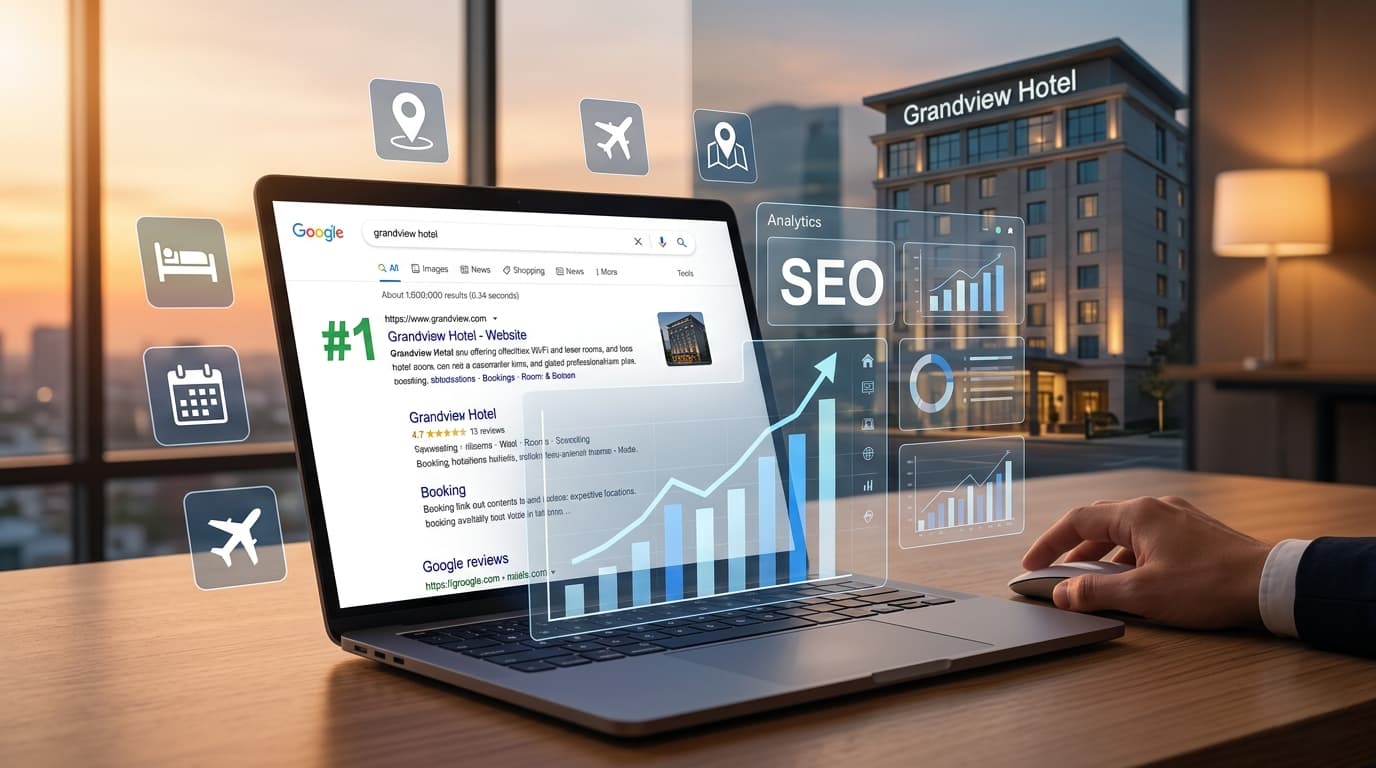
Large hotel chains have spent two decades building SEO authority, but AI visibility doesn’t simply inherit that advantage. Several independent properties with sharper, more specific content and stronger recent review activity are already out-mentioning bigger-name competitors in AI-generated answers. We’ve covered the foundational side of this in more depth in how hotels can rank #1 on Google and fill their rooms in 2026, and the same principle carries over directly to AI visibility: this is genuinely good news for boutique hotels — AI recommendation rewards clarity and specificity over sheer marketing budget, which levels a field that traditional SEO and paid search never quite did.
How This Comes Together for Your Property
Receiving recommendations from AI assistants is not a single technical solution. It demands a continuous dedication to maintaining your information organized, up-to-date, and precise on all platforms that travelers and AI systems depend on. This is precisely the work Namastetu Food performs for our hotel partners: developing marketing strategies that integrate robust technical SEO, schema application, and consistent review oversight, ensuring your property is visible when guests search online or inquire with an AI assistant about accommodations.
Frequently Asked Questions
What is the difference between SEO and AI visibility for hotels?
Traditional SEO focuses on ranking web pages in search engine results. AI visibility focuses on whether AI assistants like ChatGPT or Gemini actually mention and recommend your hotel in a generated, conversational answer — a fundamentally different and newer discipline.
Does my hotel need a high Google ranking to appear in AI search results?
Not necessarily. A property can rank lower on Google and still be cited in an AI Overview or AI assistant response if its content is well-structured, specific, and backed by strong, recent reviews.
How important are online reviews for AI search visibility?
Very important. AI systems weigh review recency, volume, and sentiment heavily when deciding which hotels to recommend, making consistent review generation and response one of the highest-leverage activities for AI visibility.
Can a small or independent hotel compete with big chains in AI search results?
Yes. AI recommendation logic rewards clear, specific, well-structured content and strong recent reputation signals rather than marketing budget alone, which gives independent hotels a genuine opportunity to outperform larger competitors.
How long does it take to see results from AI search optimization?
Most properties begin seeing measurable shifts in AI mention frequency within six to eight weeks of implementing structured data and content changes, with stronger gains building over two to three months of consistent effort.
Conclusion
The hotels that capture guest interest in 2026 are not always those with the biggest marketing budgets. They are the ones who have presented their information in a clear, organized manner that AI systems can easily comprehend and confidently endorse. With travelers now more frequently consulting an assistant prior to using a search engine, maintaining visibility in AI search, voice search, and conventional results has become essential; it’s the new standard for being selected.
Ready to find out if your hotel shows up when travelers ask AI where to stay? Namastetu Food helps hotels build the technical SEO, schema, and reputation strategy needed to stay visible across Google, voice assistants, and AI search platforms alike. Get in touch with our team for a free assessment of your hotel’s current AI and search visibility.