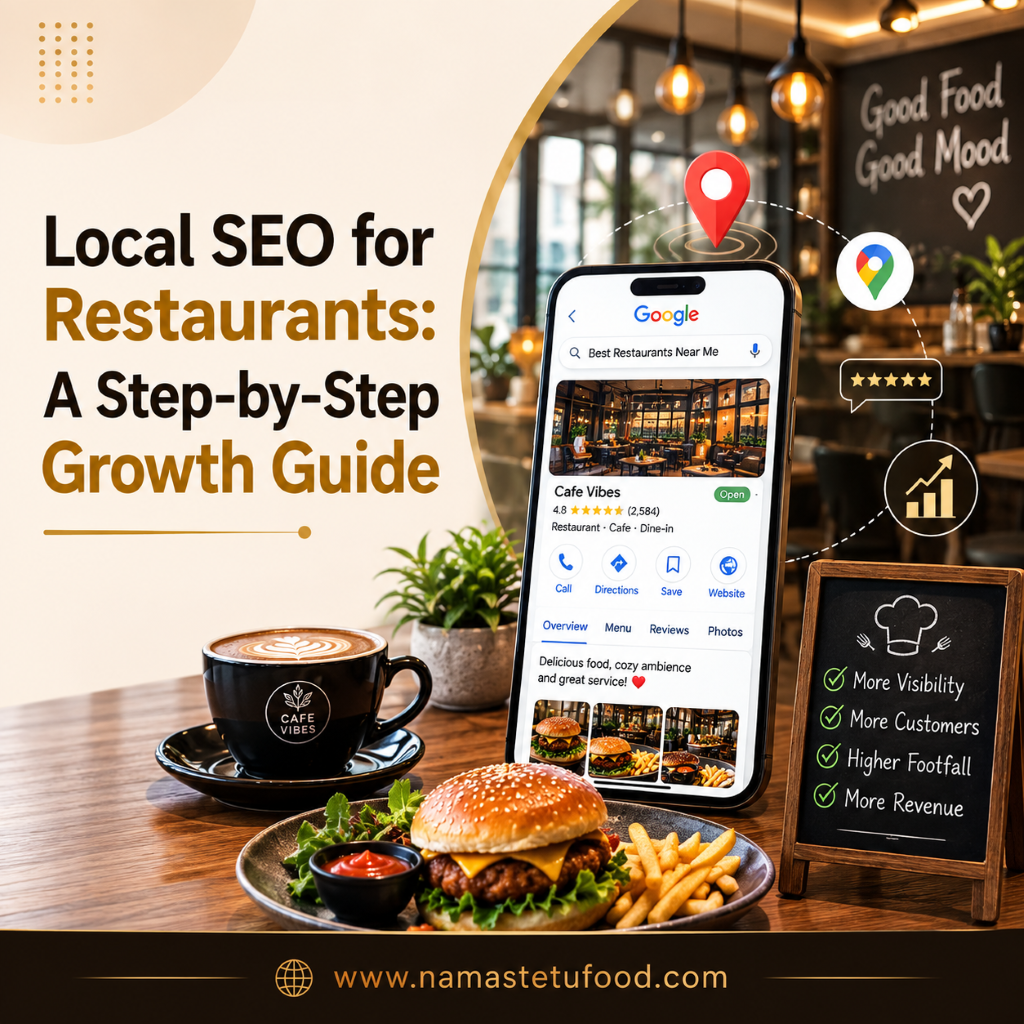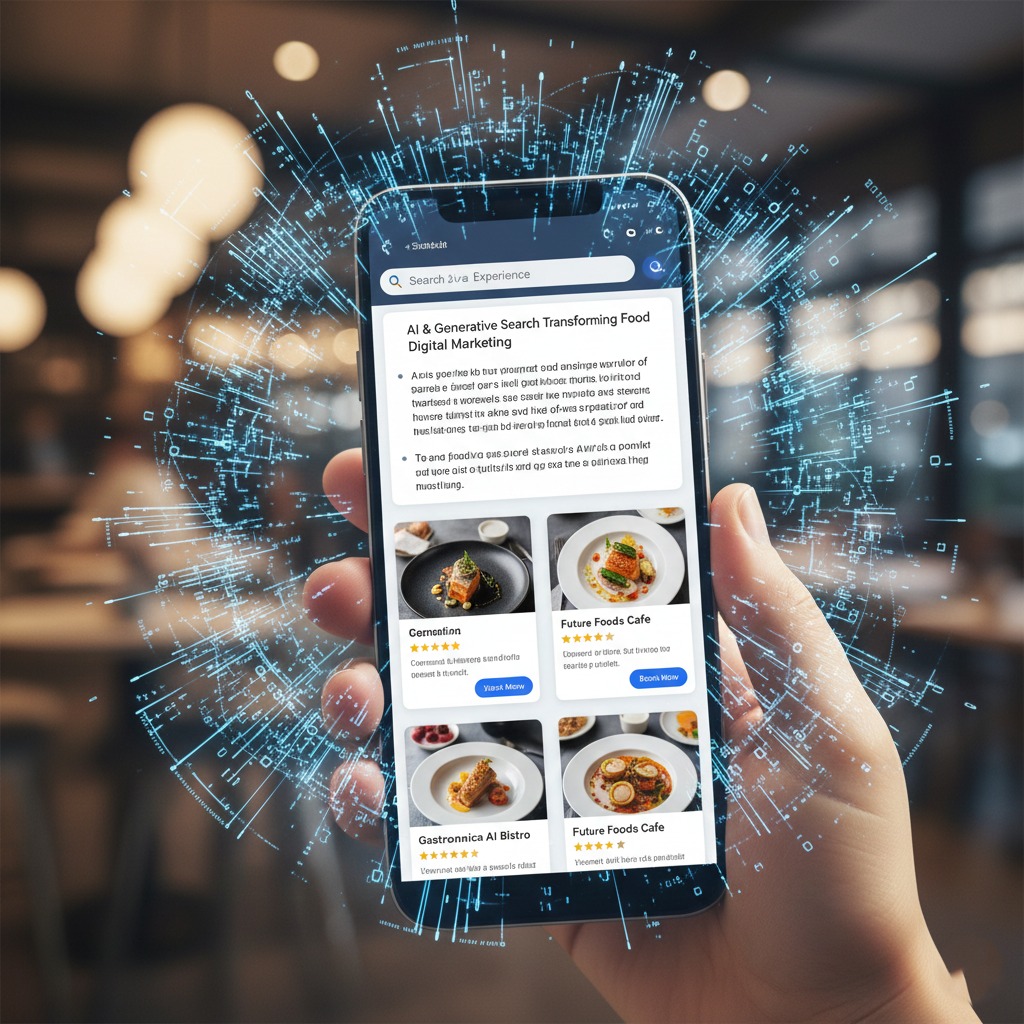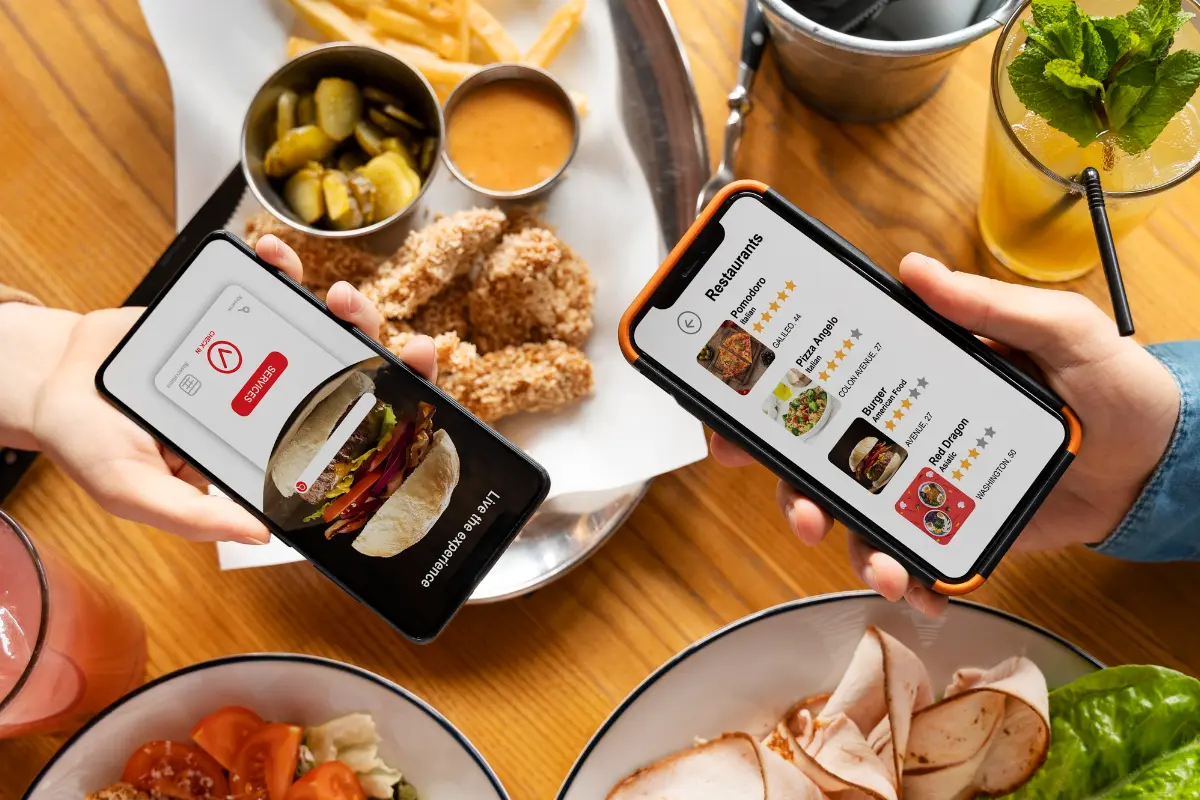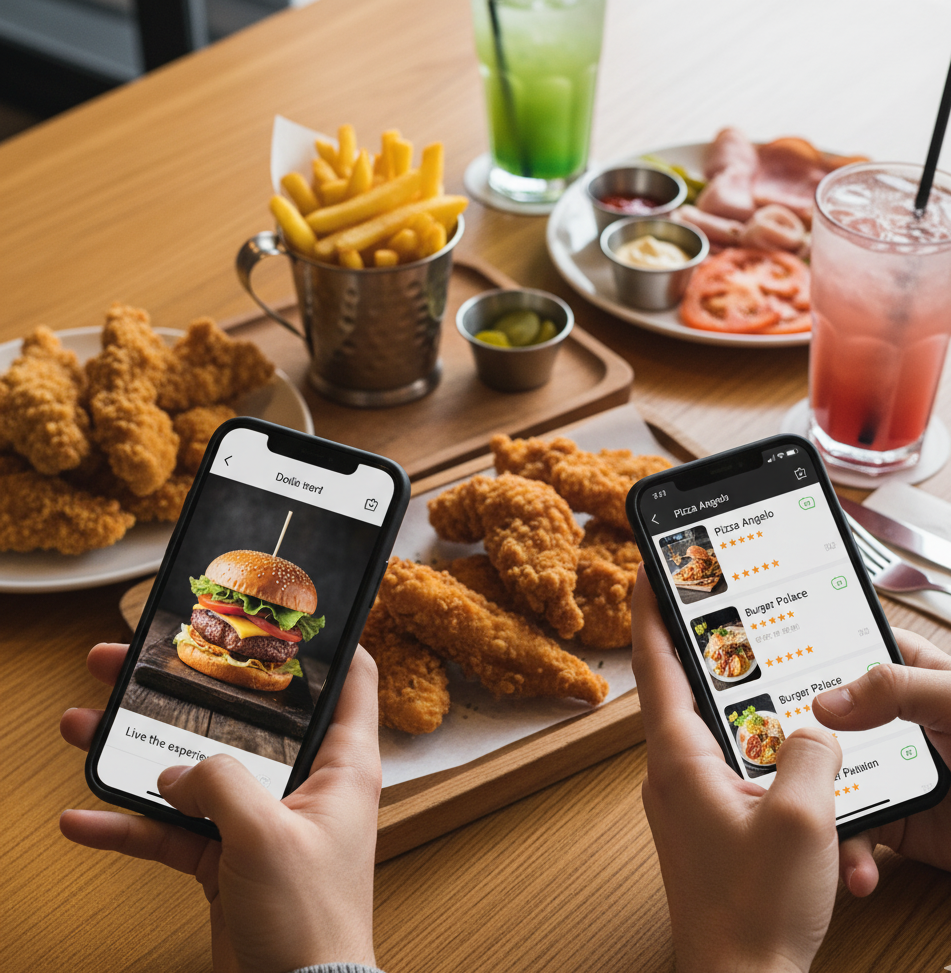
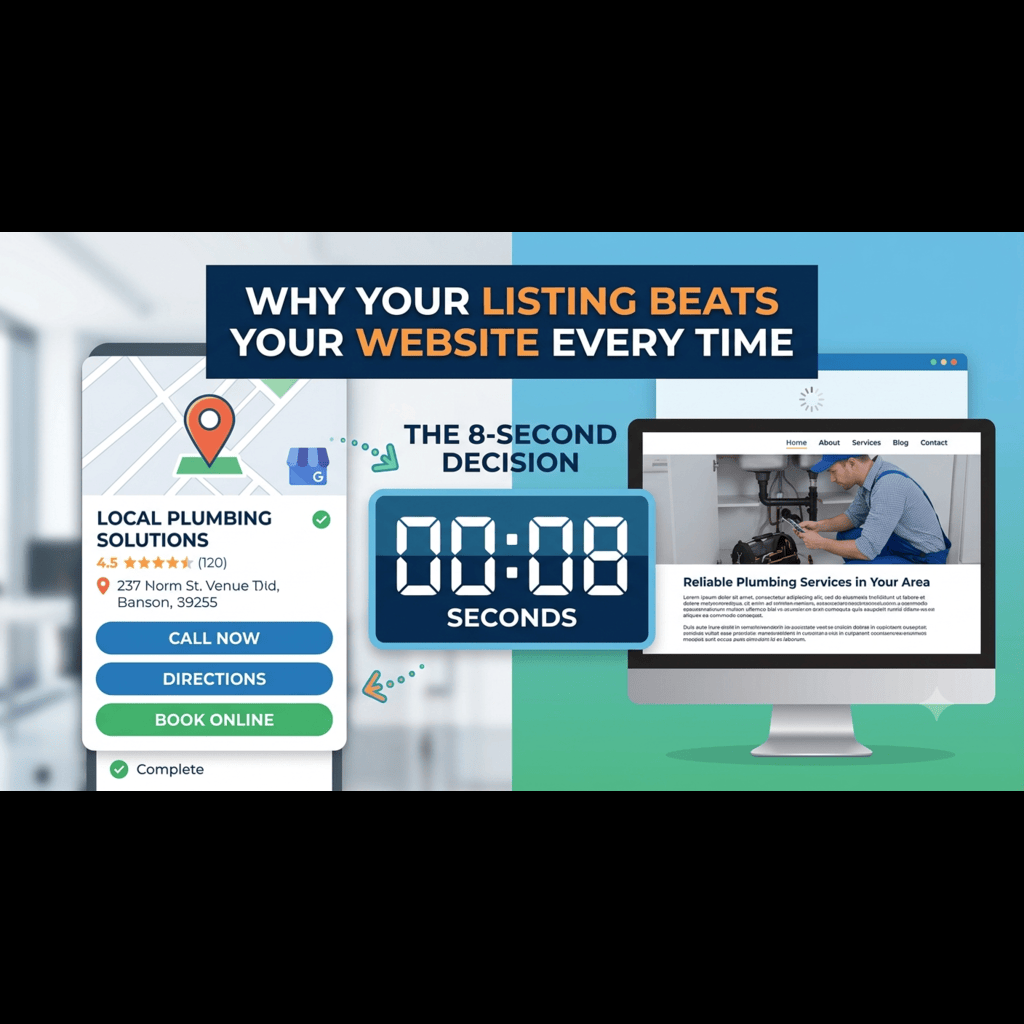
Picture someone standing outside a café, phone in hand, typing “cafe near me.” They don’t land on a website. They land on a map, a star rating, a few photos, and a “Directions” button — and they make a decision in about eight seconds, often without ever clicking through to a site at all. According to Google’s own benchmarking data analyzed by WebFX, only about 4-7% of people who view a local business profile ever click through to its website, yet a large share of those same viewers take an immediate action — calling, messaging, or requesting directions — straight from the listing itself.
That gap is the whole story. A website is built to inform, persuade, and convert over several minutes of attention. A local search profile is built to answer one question in a few seconds: is this the right place, right now? For restaurants, cafés, and hospitality businesses competing for hungry, time-pressed customers, that distinction matters more than most owners realize — and it’s quietly reshaping where marketing budgets should go.
Why a Listing Converts Faster Than a Website Ever Could
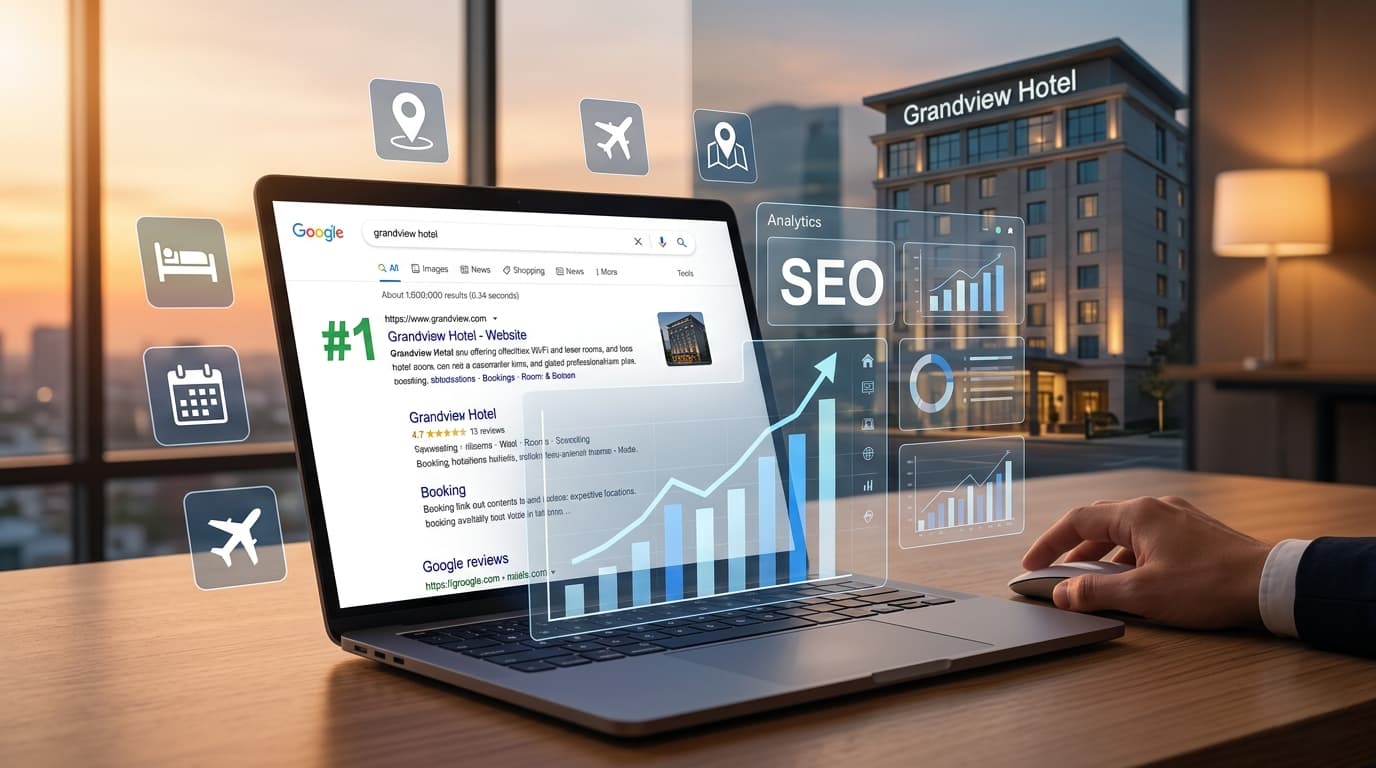
A website asks for a visit. A profile delivers an answer. When someone searches “digital marketing agency near me” or “best cafe near me,” Google’s Local Pack — the map and three listings shown above organic results — appears before a single website link does. That’s prime digital real estate, and it’s free to claim.
The mechanics behind this are simple but powerful:
- Zero-click action. A phone number, a “Call Now” button, and a “Get Directions” link let someone act without ever leaving the search results page.
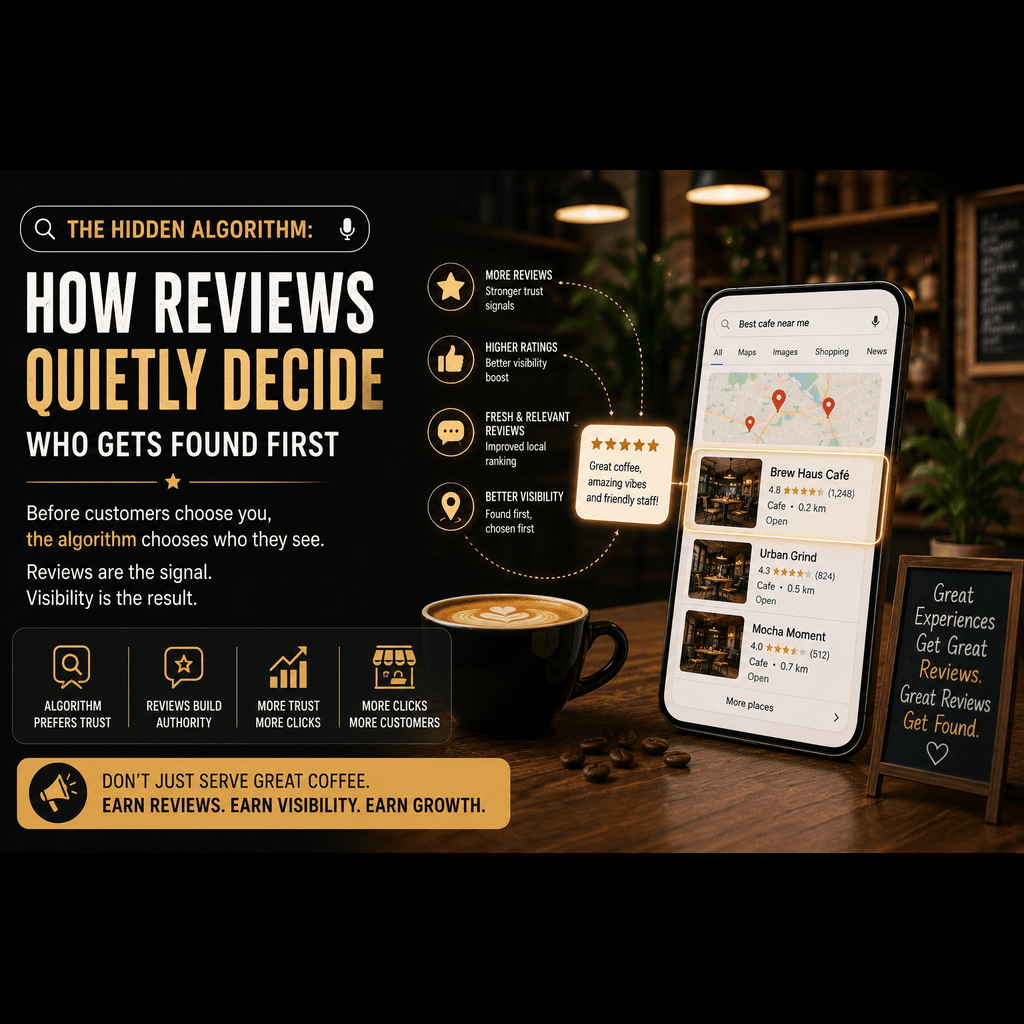
- Instant trust signals. Star ratings, review counts, and recent photos are visible immediately — no scrolling, no loading a separate page.
- Real-time relevance. Hours, busy times, and “open now” status update live, which a static website rarely matches with the same accuracy.
This is a fundamentally different kind of search behavior than what websites were originally built to serve. A website assumes the visitor has time to explore — to read a menu page, scroll through a gallery, maybe check an “About Us” section before deciding anything. A local profile assumes the opposite: someone standing on a street corner, phone in hand, wanting an answer before their thumb even finishes scrolling. Designing for one doesn’t automatically serve the other, which is exactly why so many businesses with beautiful websites still struggle to convert nearby search traffic.
What This Means for Restaurants and Cafés Specifically
For food and hospitality businesses, this isn’t a minor technical detail — it’s the entire discovery moment. Digital marketing services for restaurants that focus heavily on website design while neglecting the local profile are optimizing for the wrong stage of the customer journey.
Someone searching “digital marketing for cafes near me” or simply “cafe near me” is rarely in research mode. They’re hungry, nearby, and deciding in the next few minutes. A complete, accurate, actively managed profile answers that decision directly:
- Menu highlights and recent photos signal the place is active and matches what they’re craving
- Recent reviews reduce the risk of an unfamiliar choice
- Accurate hours and “open now” status prevent a wasted trip
- Direction and call buttons remove every bit of friction between interest and action
A restaurant with a stunning website but a half-completed, rarely updated Google Business Profile is essentially invisible at the exact moment a nearby customer is choosing where to eat. The same logic applies even more sharply to cafés, where the decision window is often shorter still — someone deciding between a quick coffee stop rarely has the patience to click through to a website to check if a place has outdoor seating or closes early on weekends. That information needs to live directly on the profile, visible the instant someone glances at their phone, which is exactly the kind of visibility a focused cafe SEO service is built to strengthen.
The Data Behind the Shift
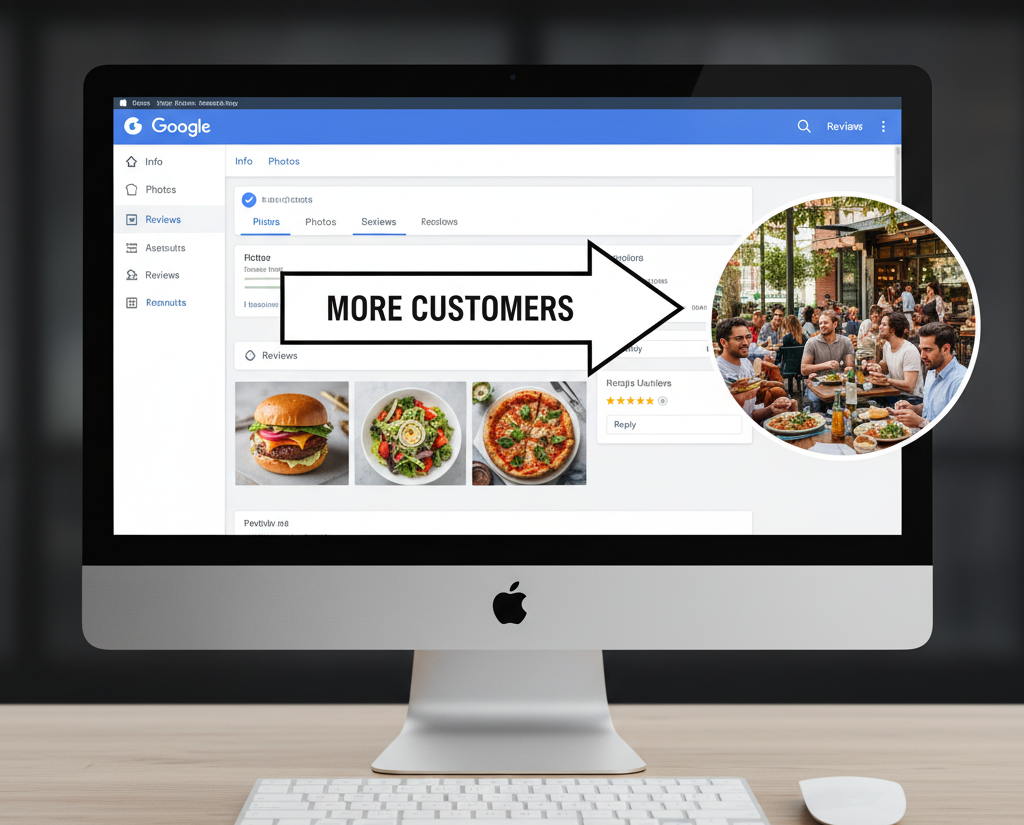
This isn’t just intuition — the numbers back it up clearly. Complete, fully optimized profiles receive roughly 70% more visits and appear up to 18 times more often in relevant searches than incomplete ones. Businesses that respond to every review see measurably stronger conversion rates on inquiries, and listings with frequent photo updates generate noticeably more direction requests and website clicks than stale ones. If review response and reputation tracking already feel like more than your team can manage consistently, a dedicated restaurant reputation management service can take that ongoing work off your plate while keeping every response timely and on-brand.
For restaurants specifically, direction requests and call-throughs from a profile tend to run higher than the average business category, simply because food decisions happen fast and locally. Most people researching where to eat aren’t planning a week ahead — they’re deciding within the hour, sometimes within minutes, which is exactly the kind of decision a well-maintained profile is built to support and a website, by its nature, is slower to serve.
This is exactly why a digital marketing agency near me search itself has become so common — business owners are realizing that local visibility, not just a polished website, is what’s actually driving walk-ins. We’ve explored this shift in more depth in why your cafe should hire a digital marketing agency in 2026, but the short version is this: the irony is that many of these same owners spent years and significant budget perfecting a website, only to discover their Google Business Profile — free to claim and faster to optimize — was quietly doing more of the heavy lifting all along.
Where Websites Still Matter — and Why You Need Both
None of this means websites are obsolete. A profile captures demand; a website builds it. If someone searches something broader — “best biryani recipes,” “how to choose a restaurant for a private event” — they’ll land on a website, not a listing. A well-built restaurant website design still plays a critical role here, since it’s what converts that broader research into an actual reservation or order once someone’s ready to go deeper than a quick profile glance. Websites also:
- Rank for a much wider range of keywords than a profile ever can
- Give you full control over design, messaging, and the story you tell
- Build the long-term authority that search engines and AI systems both rely on when deciding who to trust
Treat your website and your local profile as two connected parts of one system. Make sure the information on both matches exactly — name, address, phone number, hours — since inconsistencies between them quietly erode trust with Google’s algorithm.
The businesses winning local search in 2026 aren’t choosing one over the other. They’re making sure both work together, with the profile capturing fast, high-intent local searches and the website supporting deeper research and broader visibility.
Practical Steps to Strengthen Your Local Profile Today
- Complete every section of your Google Business Profile — categories, attributes, services, and description — since incomplete profiles are shown far less often
- Post fresh photos weekly, particularly of food, drinks, or the space itself, since stale visuals quietly reduce both clicks and direction requests
- Respond to every review, positive or negative, within 48 hours — response rate and speed are both factored into how prominently you appear
- Use Google Posts regularly to highlight offers, events, or new menu items, since consistent activity signals freshness to the algorithm
- Keep hours and contact details perfectly accurate, especially around holidays, since mismatches between your profile and website quietly damage trust
Frequently Asked Questions
Do I still need a website if my Google Business Profile is fully optimized?
Yes. A profile captures fast, local, high-intent searches, but a website builds longer-term authority, ranks for a much broader range of keywords, and gives you full control over your brand story — something a profile layout can’t replicate.
How quickly can a restaurant or café see results from optimizing its local profile?
Many businesses see measurable improvement in visibility and direction requests within 30-60 days of completing and actively maintaining their profile, faster than typical website SEO timelines.
Does responding to reviews actually affect my ranking, or just customer perception?
Both. Response rate and response speed are factored into local ranking signals, and businesses that respond to all reviews tend to convert inquiries at meaningfully higher rates as well.
What’s the biggest mistake restaurants and cafés make with their local profile?
Treating it as a one-time setup rather than an active channel. Profiles left unchanged for 30+ days often see declining visibility, regardless of how strong the underlying business is.
Should I focus more budget on my website or my Google Business Profile?
For most food and hospitality businesses, the profile deserves first attention since it directly drives near-term walk-ins and bookings, but a basic, accurate website still matters for trust and broader discovery.
Conclusion
The customer standing outside, deciding where to eat in the next eight seconds, isn’t reading your website. They’re reading your listing — your reviews, your photos, your hours, your distance from where they’re standing. That’s not a reason to abandon your website; it’s a reason to stop treating your local profile as an afterthought next to it.
Not sure if your local profile is pulling its weight? Namastetu Food helps restaurants, cafés, and hotels build local search profiles that actually convert nearby searches into walk-ins, alongside the website work that supports long-term visibility. Reach out to our team for a free audit of how your business currently shows up in local search.