Search engines no longer just show a list of links. They now read your website, your reviews and your business listings, and then give diners a short, direct answer. This is why Restaurant SEO in the Age of AI matters for every restaurant owner, whether you run a small eatery or several outlets.
At Namastetu Food, we help restaurants in Indore get found online, and one thing is clear: the restaurants that keep their information accurate, complete and easy to read are the ones search systems choose to show. This guide explains the seven changes that make the biggest difference.
What Restaurant SEO in the Age of AI Actually Means
Restaurant SEO in the Age of AI means improving your website, your business profile, your reviews and your content so that search engines and AI tools can understand your restaurant and recommend it. It builds on regular seo for restaurant work, which focuses on keywords, links and a healthy website.
The difference is who you are writing for. You now write for the diner, and also for the system that decides which restaurants the diner sees first.
How AI Search Changes the Way Diners Find Restaurants
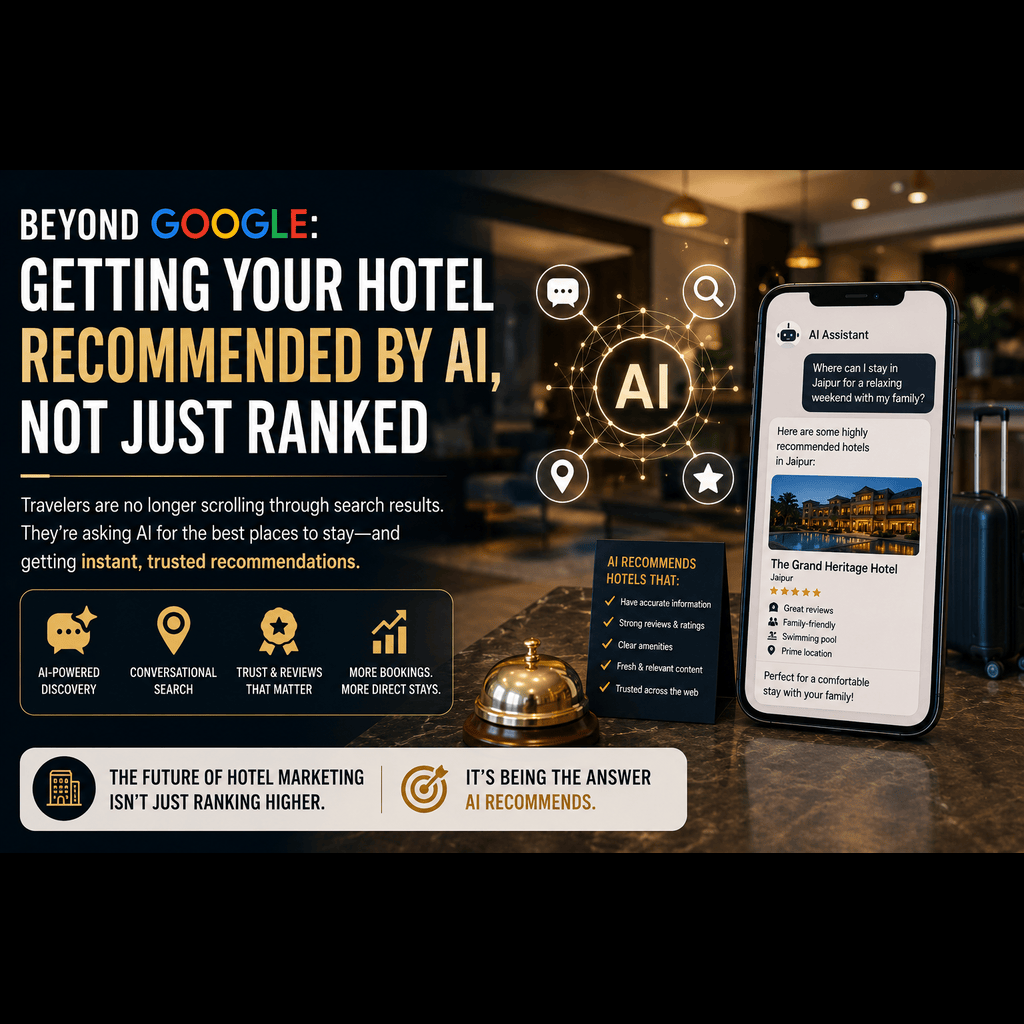
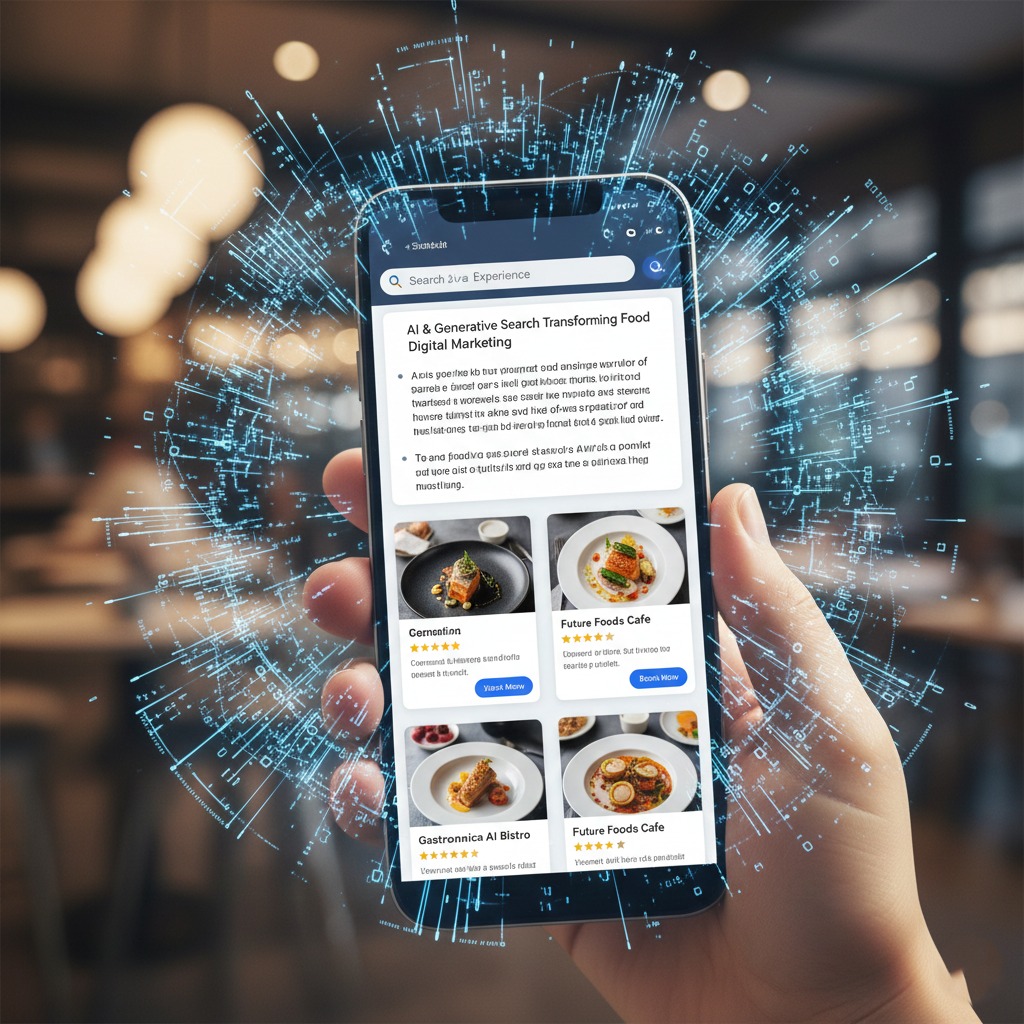
A few years ago, a diner searched with two or three words and scrolled through results. Today, many people type or speak a full question and expect one clear answer. AI tools collect facts from your website, your listing, review platforms and local directories to build that answer.
This shift means digital marketing for restaurants now depends heavily on clarity. If your phone number differs across websites, or your menu sits inside an image, the system has little to work with. Restaurants with clean, consistent details are easier for it to include.
Change 1: Complete Your Business Profile for Local SEO for Restaurants
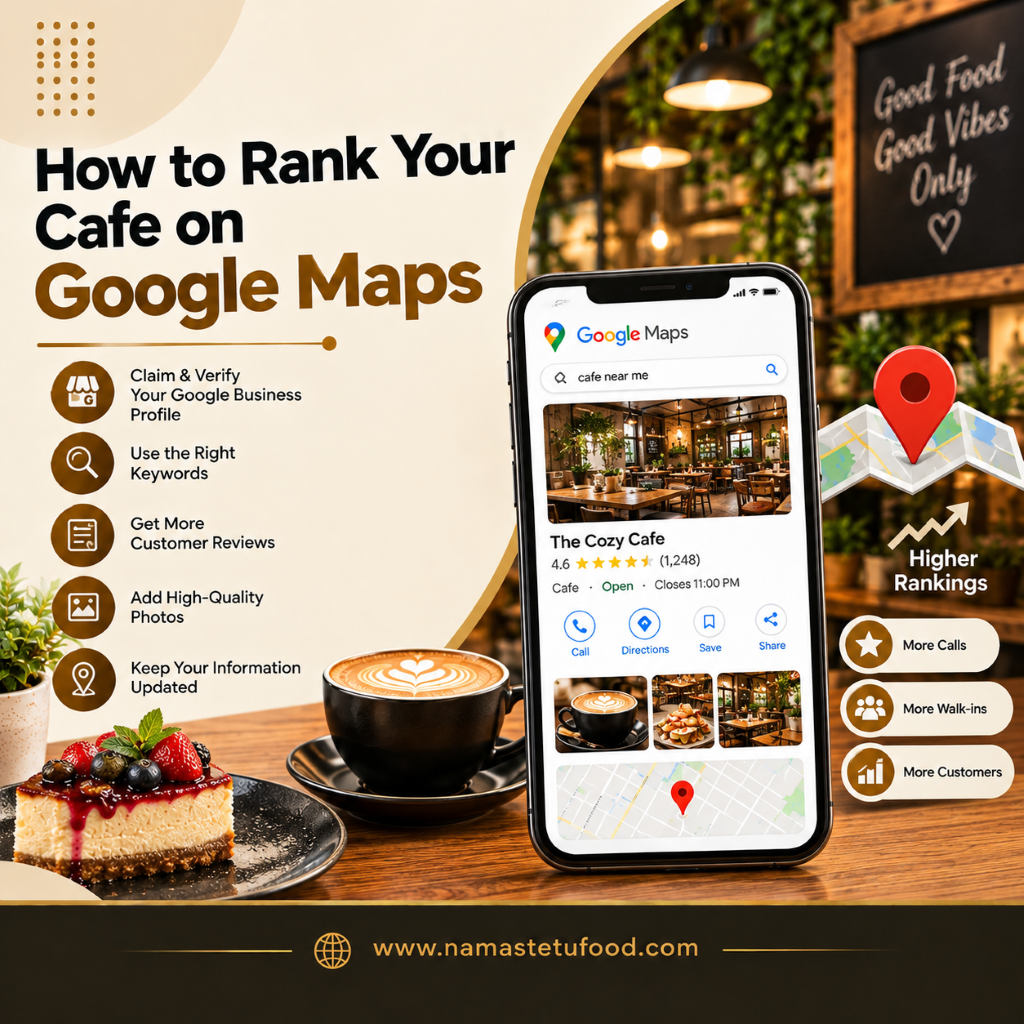
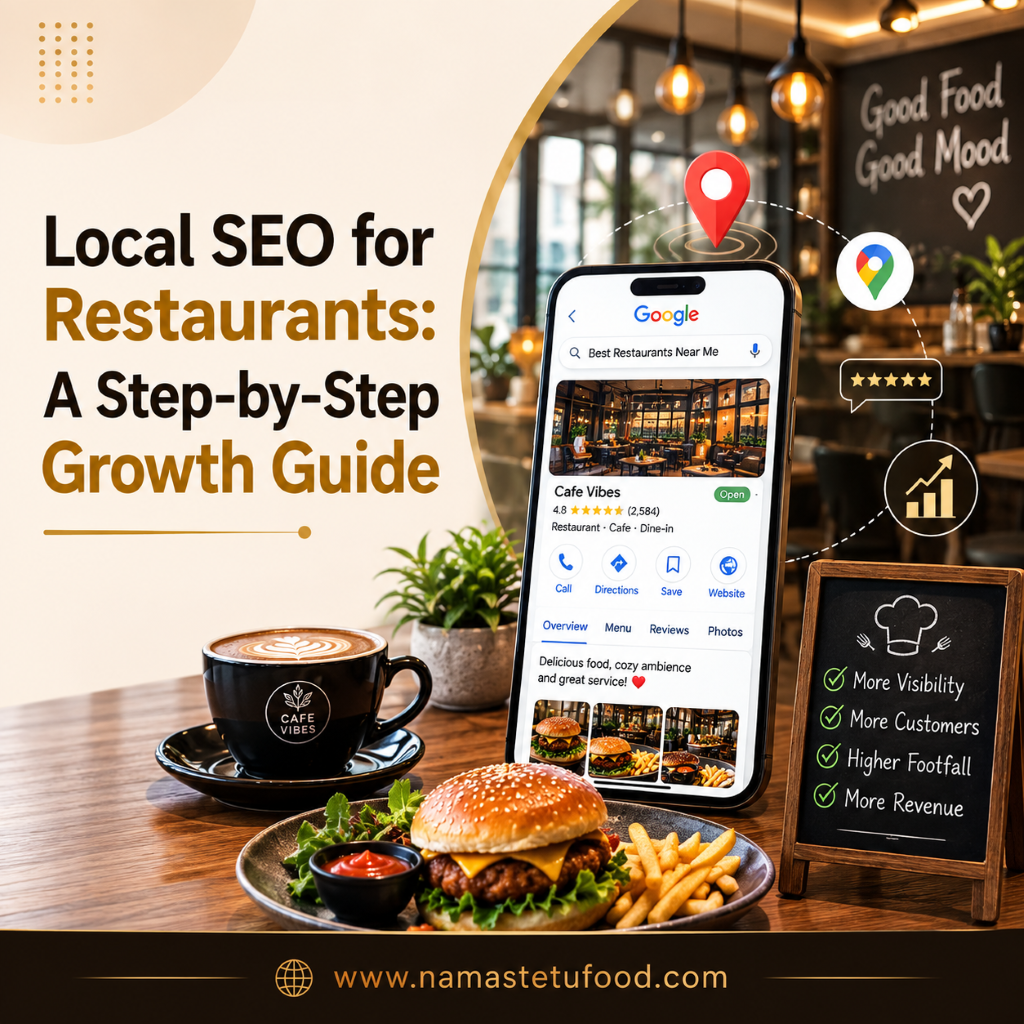
Your business profile is the main source for map results and “near me” searches. It also feeds many AI answers, so it deserves regular attention. Strong local SEO for restaurants starts here.
Check these details first:
- Business name, address and phone number, written the same way everywhere
- Opening hours, including holiday and festival timings
- A main category and extra categories that describe your cuisine
- New photos of food, seating and staff every month
- Menu link, booking link and features such as pure veg or outdoor seating
An accurate profile brings more calls, direction requests and walk-ins, and it removes confusion for guests.
Change 2: Write Content That Answers Real Diner Questions
AI tools prefer pages that answer a question in the first sentence. Diners commonly ask about parking, family seating, vegetarian options, kids menus, group bookings and birthday arrangements.
Create a short section on your website for each question. Use the question as the heading and answer it in two or three sentences. This format is easy for people to read and easy for AI to quote.
Also use long-tail phrases, which are longer and more specific searches. A phrase like “family restaurant with kids menu” attracts people who are close to booking a table.
Change 3: Improve Restaurant Website SEO With Speed and Mobile Design
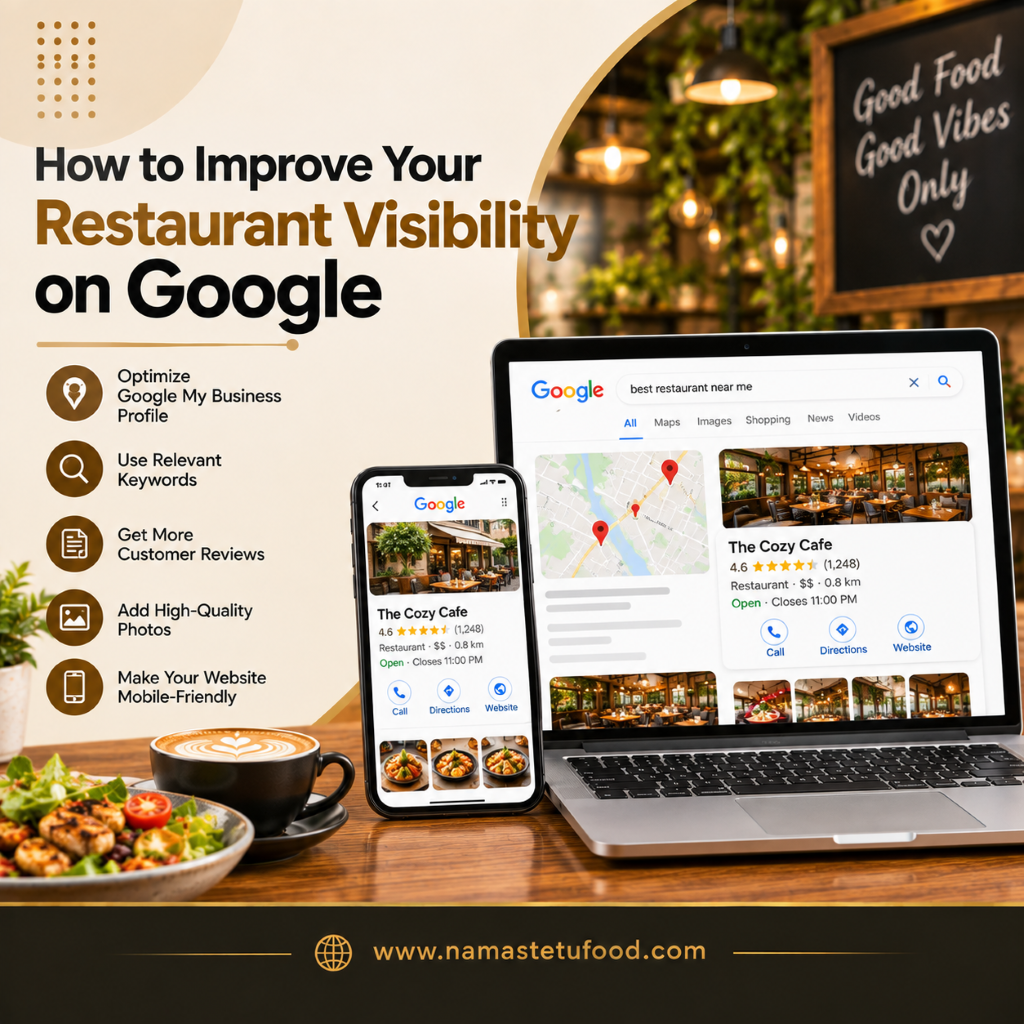
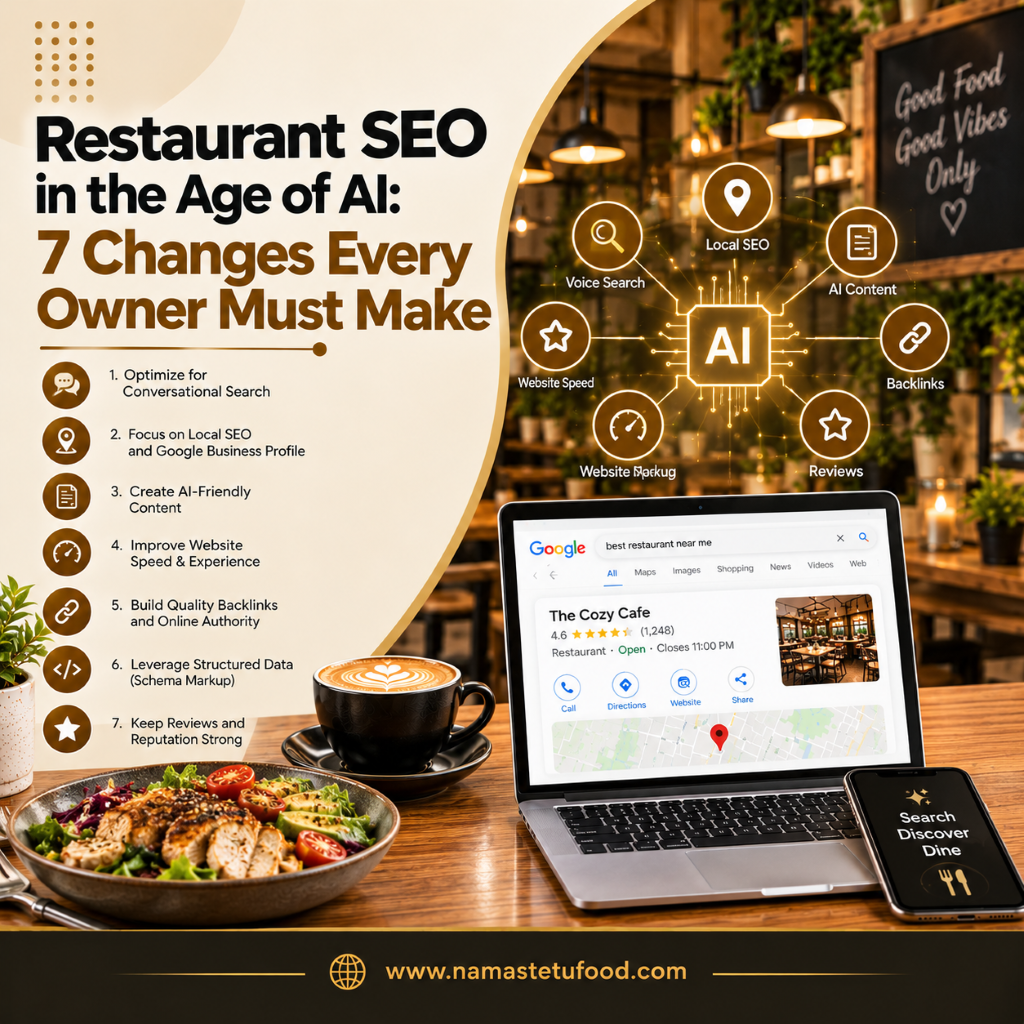
Most diners search on a mobile phone, often while travelling or already nearby. If your website loads slowly, they leave, and search engines notice this behavior. A fast, simple site is now a basic part of restaurant website SEO.
Focus on these steps:
- Compress images so pages load in under three seconds
- Add tap-to-call and tap-to-book buttons
- Publish your menu as readable text instead of an image or PDF
- Create a separate page for each outlet, service and cuisine
Readable text helps search systems understand your dishes and categories. A menu saved as an image gives them nothing to read.
Change 4: Add Structured Data So AI Can Understand Your Pages
Structured data is a small block of code that labels your content. It tells machines which part of a page is your address, opening hours, menu item, rating or event.
With these labels, search systems can show your restaurant details more accurately. They also help AI tools pull the right facts. Many website builders include simple tools for this, so you do not need to write code yourself.
After adding structured data, run a test to check for errors and fix any that appear. Clean data builds trust with search systems.
Change 5: Use Guest Reviews as a Ranking and Trust Signal
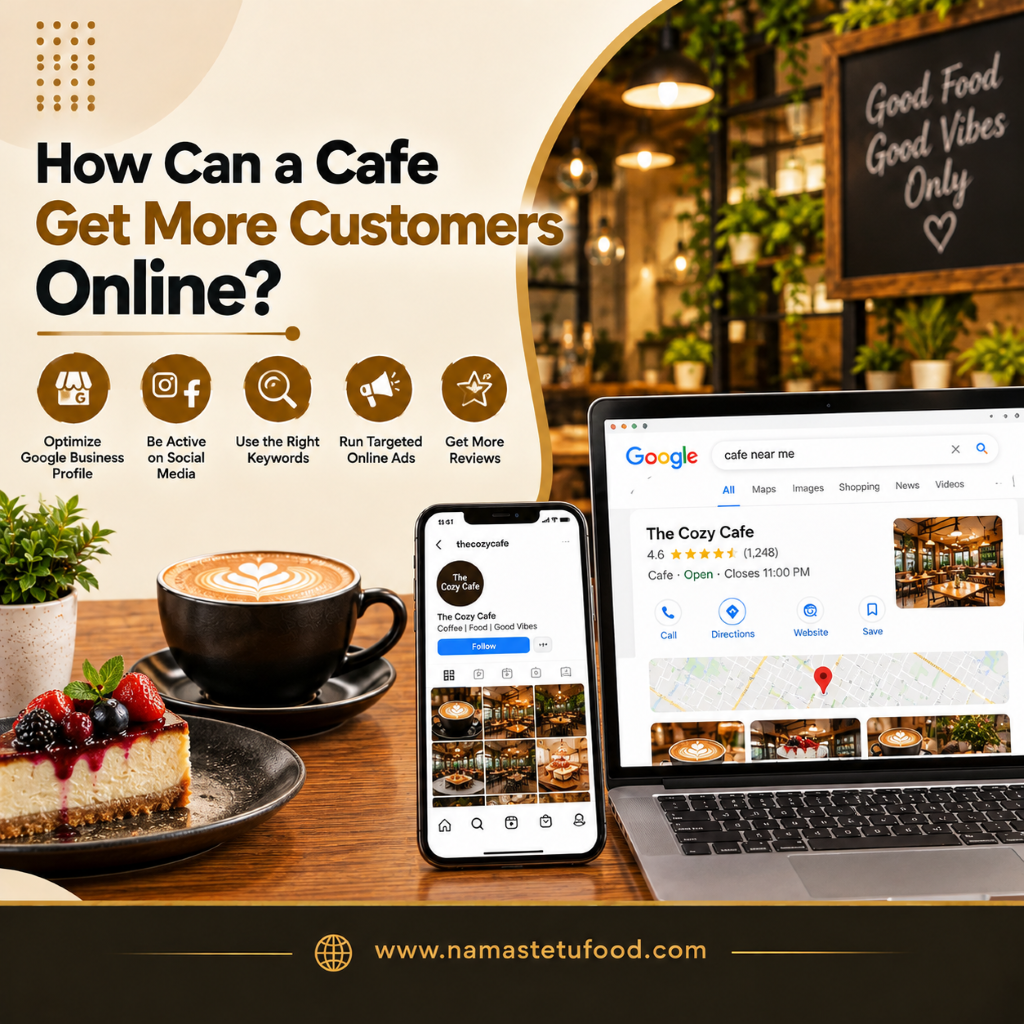
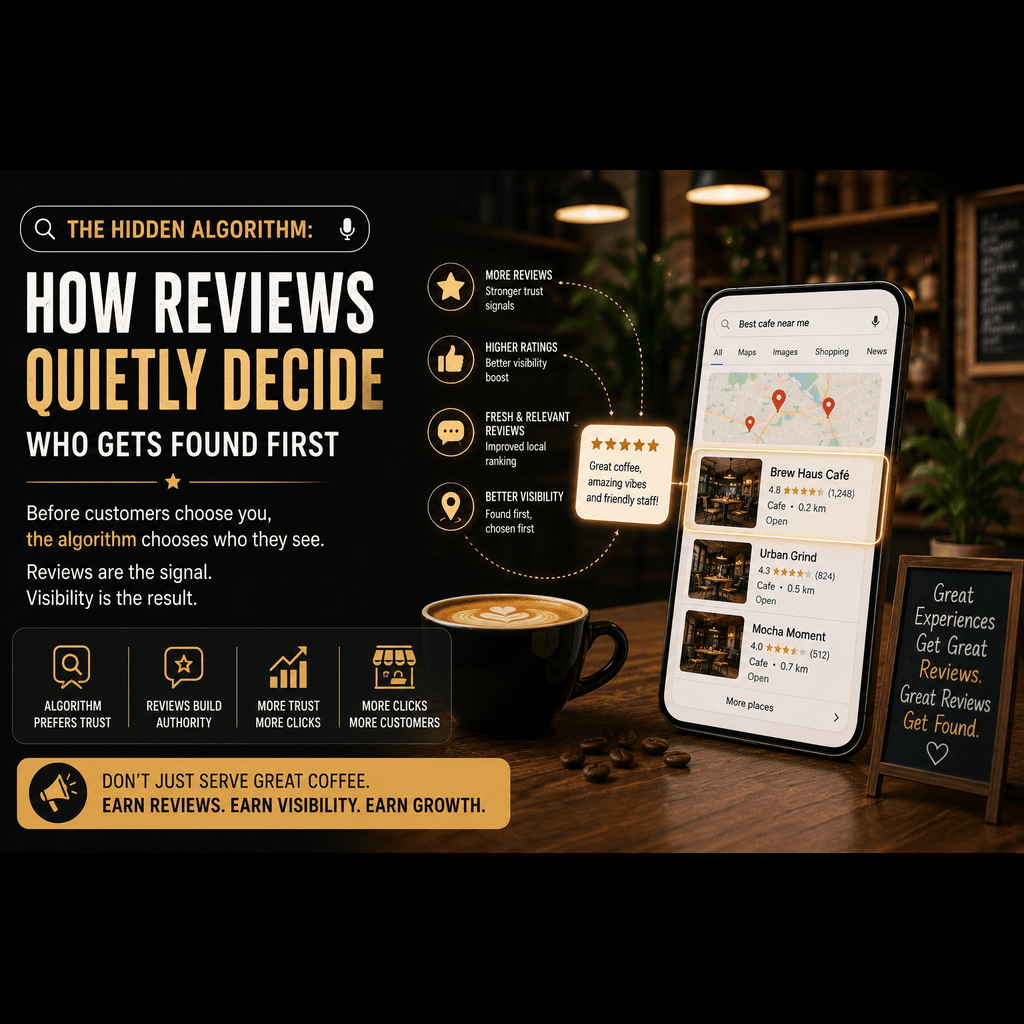
Reviews show search systems that real people visit and enjoy your restaurant. Recent, detailed reviews usually carry more weight than a few old ones, and they also help new diners decide where to eat.
Ask happy guests to leave a review, and make it easy with a QR code on tables, menus and bills. Reply to every review within two days. Guests often mention dishes and occasions, and these words act as natural keywords for your business.
When you reply, mention the dish or experience the guest talked about. This adds useful detail and shows future diners that you pay attention.
Change 6: Build Trust With E-E-A-T in Restaurant SEO in the Age of AI
E-E-A-T stands for Experience, Expertise, Authoritativeness and Trustworthiness. It is a quality standard that search systems use to judge content. In Restaurant SEO in the Age of AI, it helps real restaurants stand out from generic pages.
Show your credibility with these elements:
- A chef profile with training and cooking style
- The story behind your recipes and ingredient sourcing
- Real photos and short videos from your own kitchen
- Your food safety licence and hygiene practices
- Awards, media features and community events
Put a real name and role on every blog post, and keep your address, phone number and contact page easy to find. These details make your business easy to verify.
Change 7: Publish Fresh Content and Track Your AI Visibility
Search systems favor websites that stay active and useful. Publish new content on topics such as festival menus, seasonal dishes, event planning and local food guides, and link each post to related pages on your site.
Cover each topic in full. A catering page, for example, should explain group size, menu options, pricing method, delivery and booking time. Covering related ideas together is called semantic SEO, and it shows that you know the subject well.
Then check your results every month. Review search queries, website visits, calls and direction requests. Also search for your restaurant in AI tools and see whether your details appear correctly.
Working With a Restaurant SEO Agency in Indore
Running a restaurant leaves little time for technical updates and content planning. A restaurant seo agency in Indore understands local food habits, popular areas and the way people in the city search for places to eat.
A good agency manages your listings, website, reviews and content together, and shares clear monthly reports. Before choosing one, look for honest timelines, clear goals and proven local experience.
Frequently Asked Questions About Restaurant SEO in the Age of AI
1. What is Restaurant SEO in the Age of AI?
It is the practice of optimizing your restaurant’s online presence so search engines and AI tools can find, understand and recommend you. It combines accurate listings, a fast website, helpful content and genuine reviews.
2. How long does SEO for restaurant websites take to work?
Listing and map improvements often show within 4 to 8 weeks. Website rankings and AI visibility usually take 3 to 6 months, depending on competition and consistent effort.
3. Is local SEO for restaurants more important than website SEO?
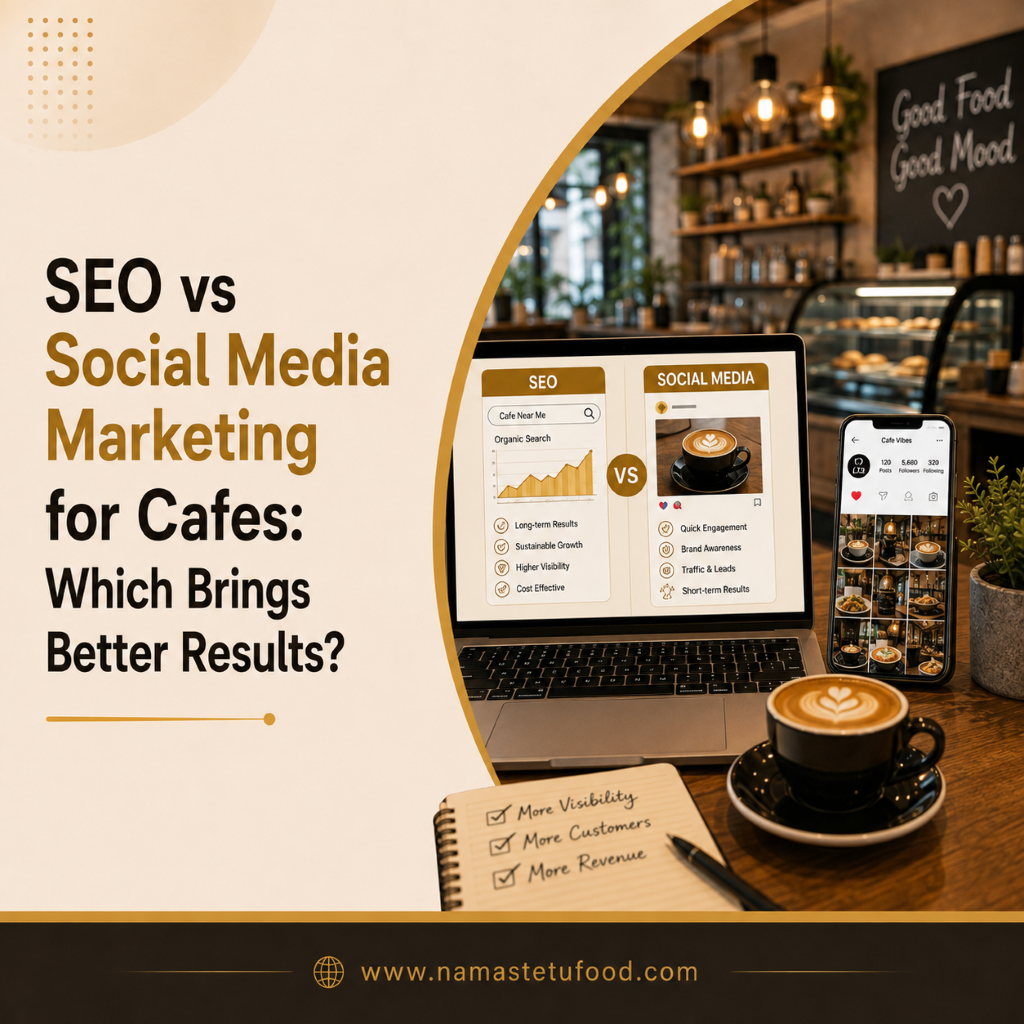
Both work together. Local SEO brings calls, directions and bookings faster, while website SEO builds long-term authority and gives AI tools detailed information to use.
4. How can my restaurant appear in AI-generated answers?
Keep your details consistent across all platforms, add structured data, answer common questions clearly and collect fresh reviews. Chef profiles, licences and original photos also show real expertise.
5. Should I hire a restaurant SEO agency in Indore or manage SEO myself?
You can manage basics such as profile updates and review replies yourself. An agency adds technical skill, content strategy and tracking, which many owners find hard to manage alone.
Conclusion
Search is moving from lists of links to short, direct answers. Restaurants with accurate details, helpful content, strong reviews and a fast website are easier to find and easier to trust. Starting with your business profile and your most common guest questions is a simple way to begin.
Want your restaurant to show up when diners search? Connect with our team at Namastetu Food for expert digital marketing for restaurants, and book your free restaurant SEO audit today to get a clear action plan for more calls, visits and bookings.