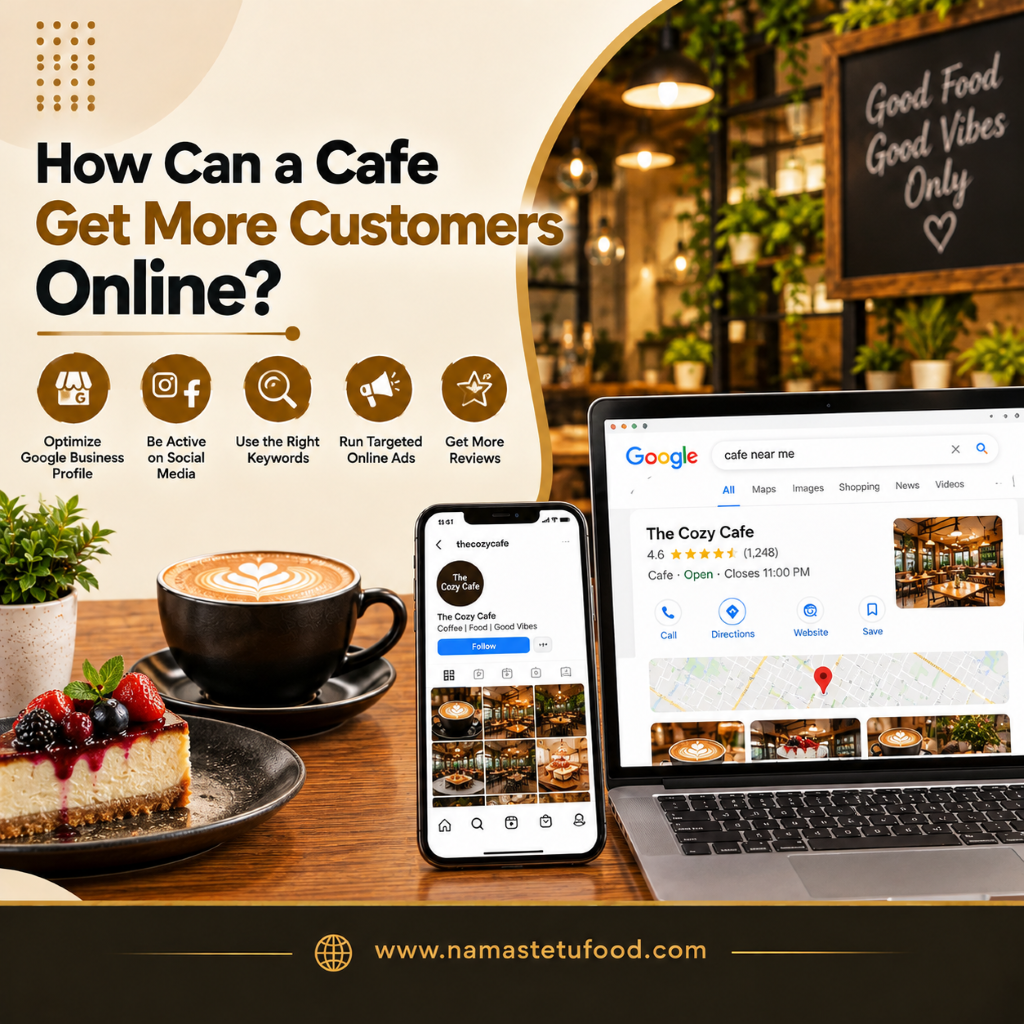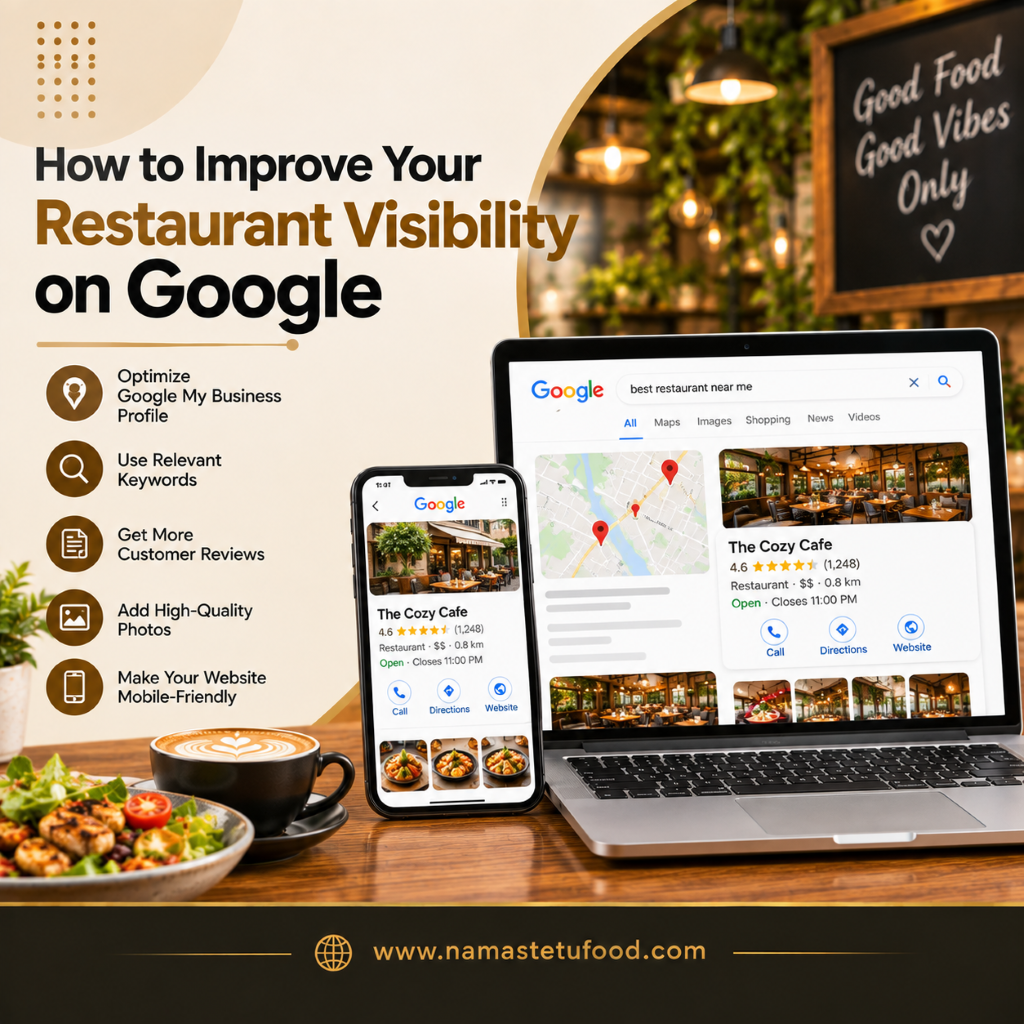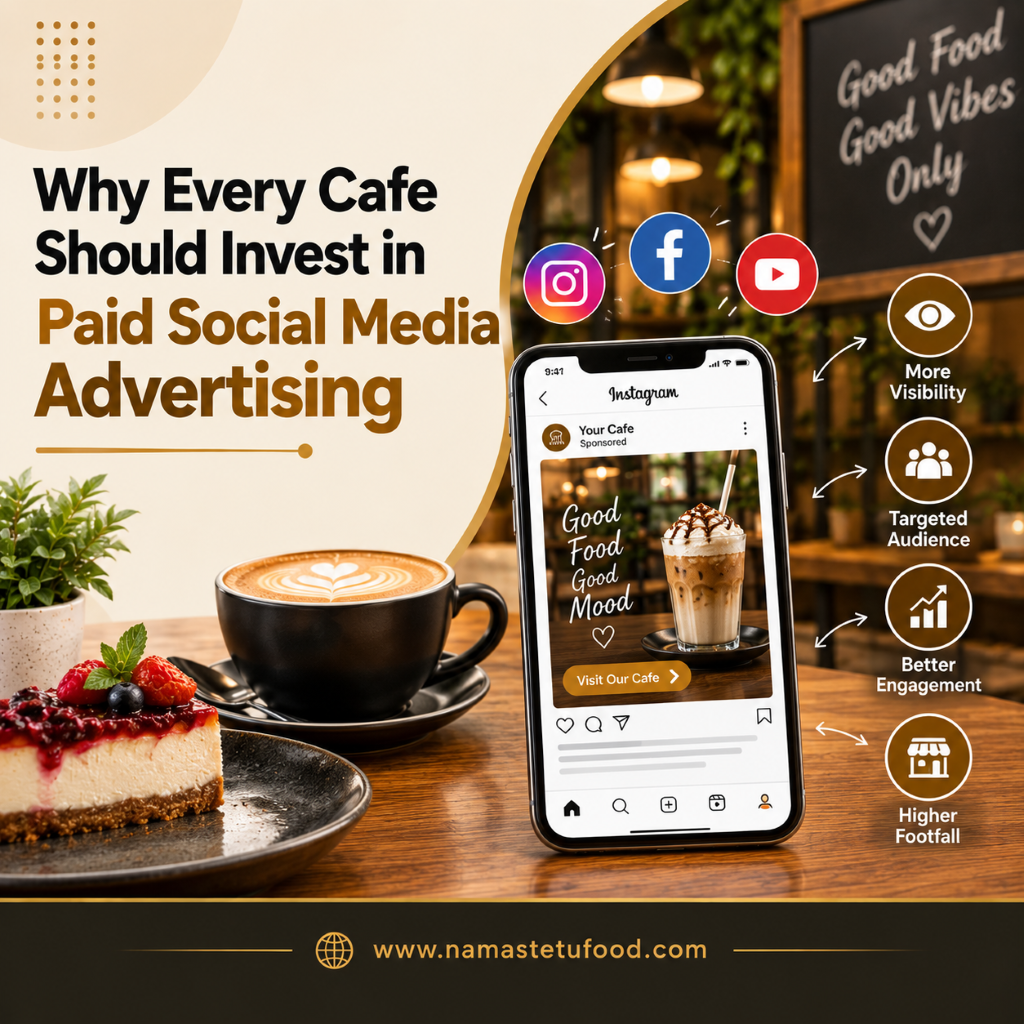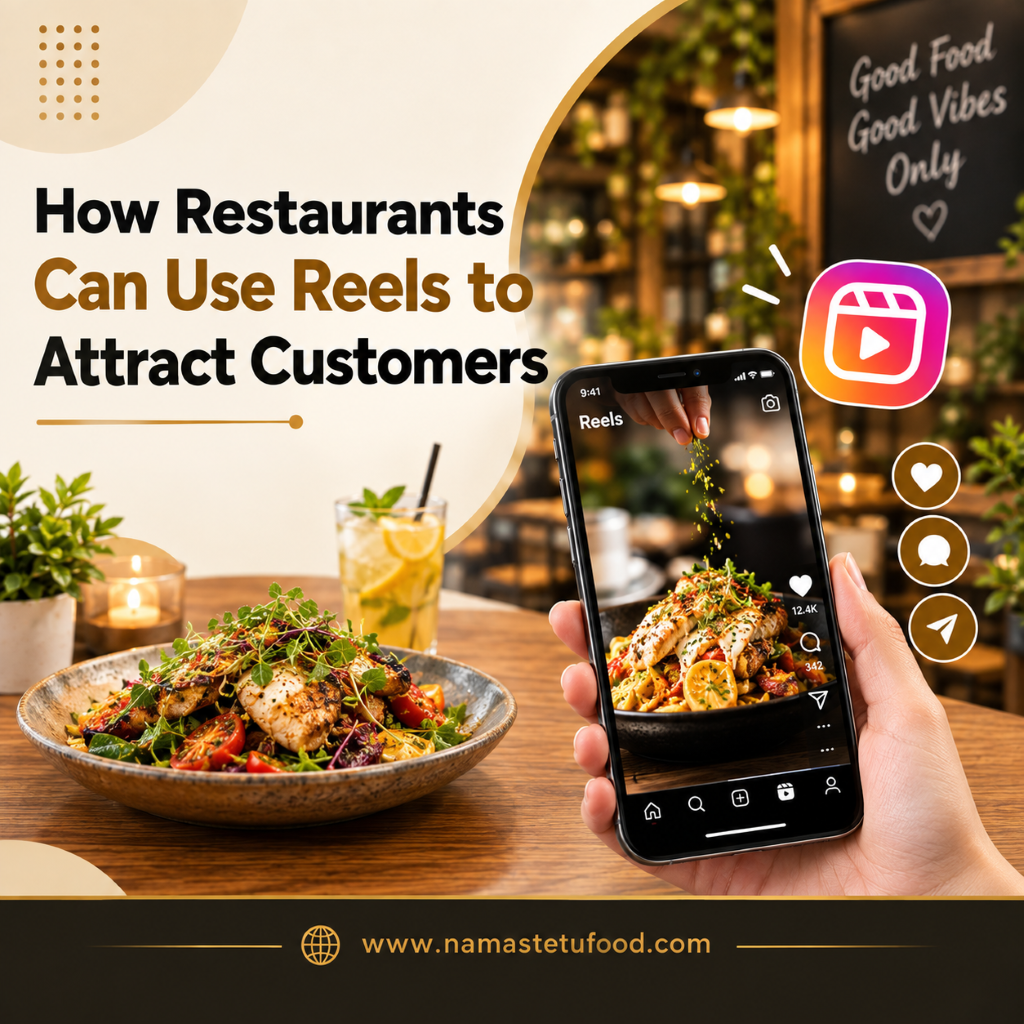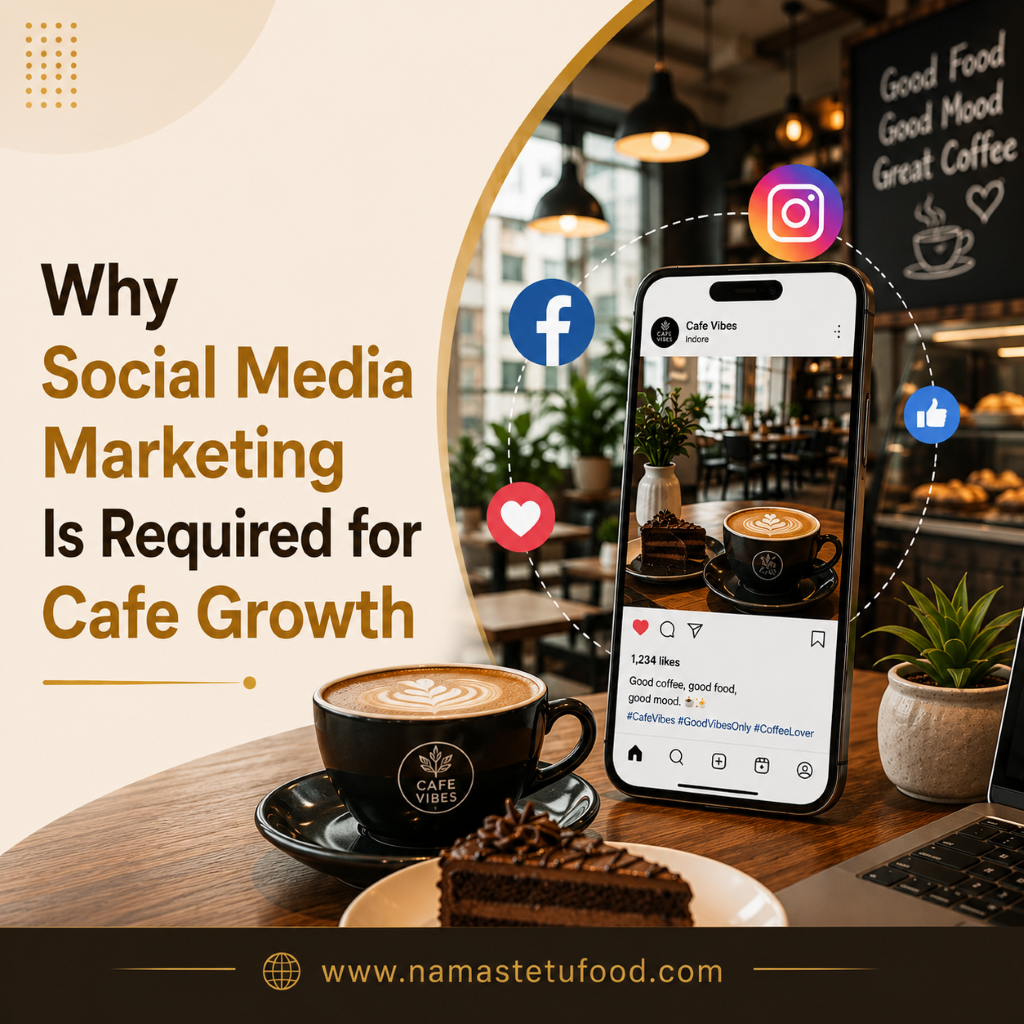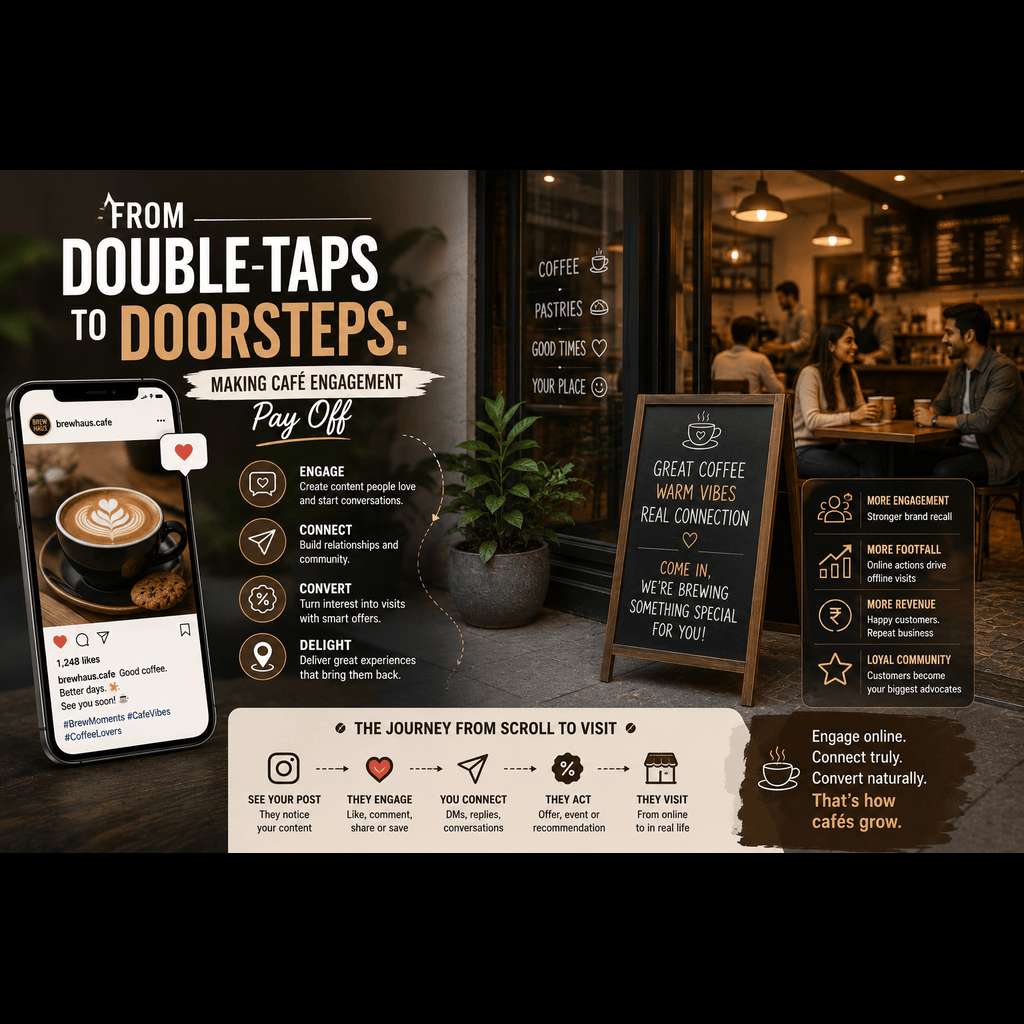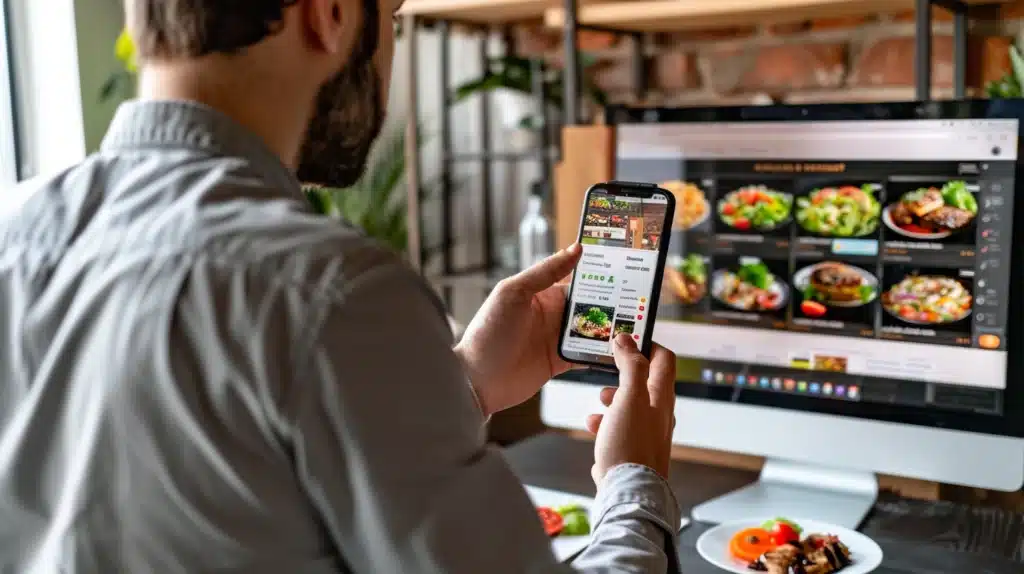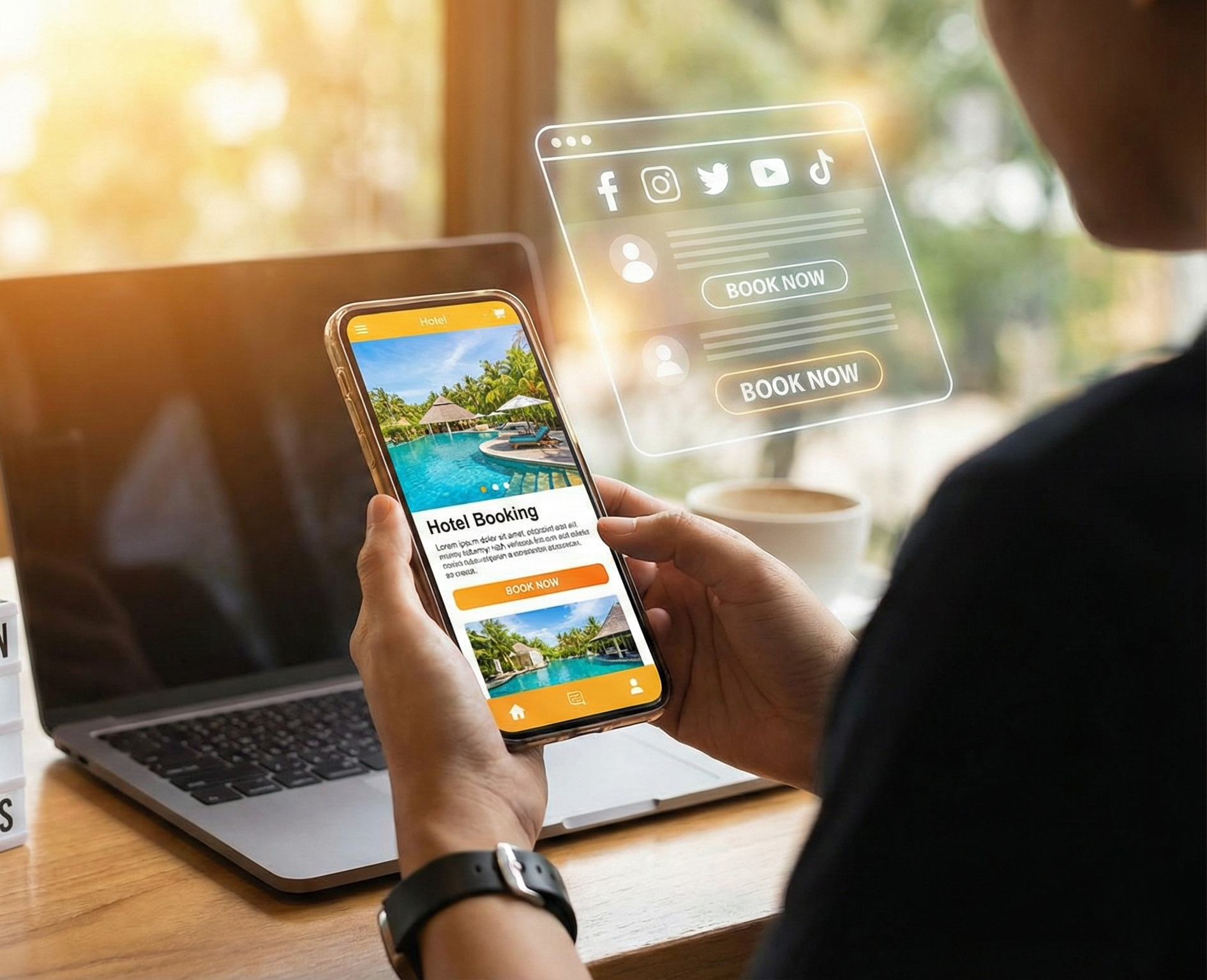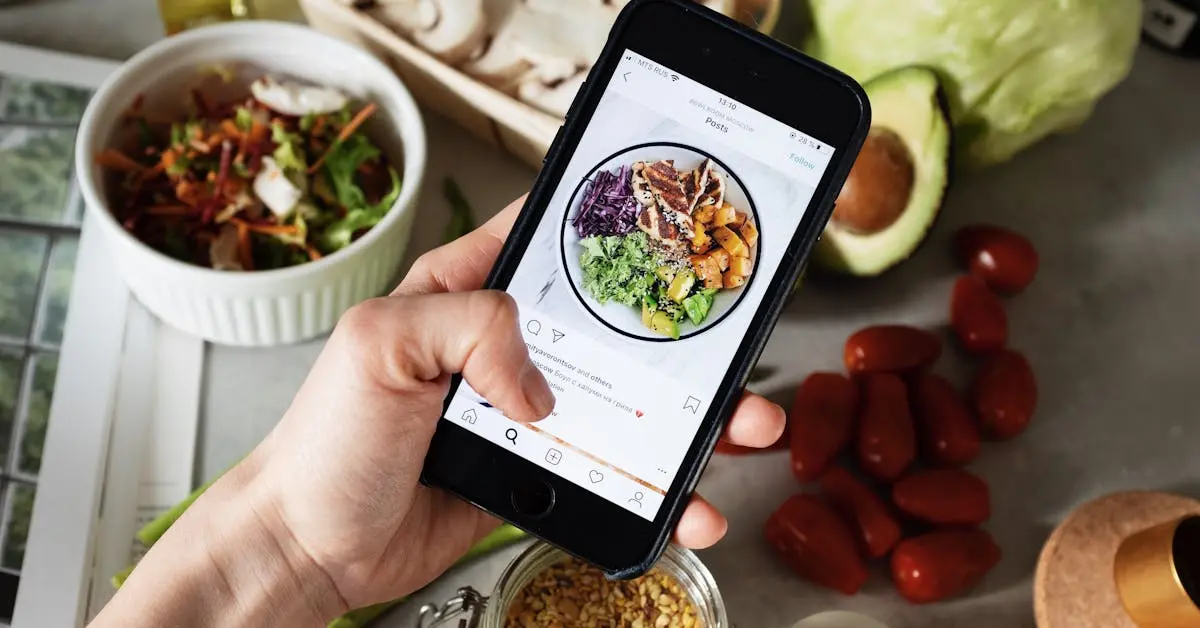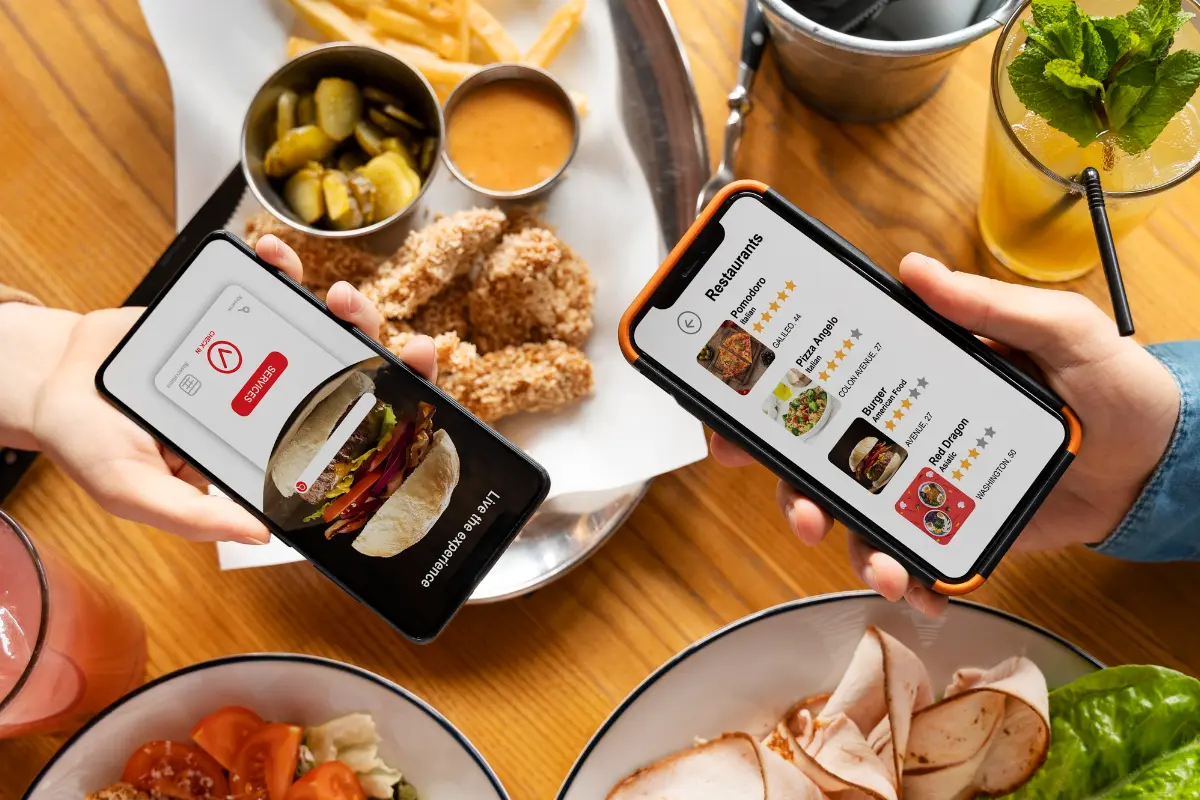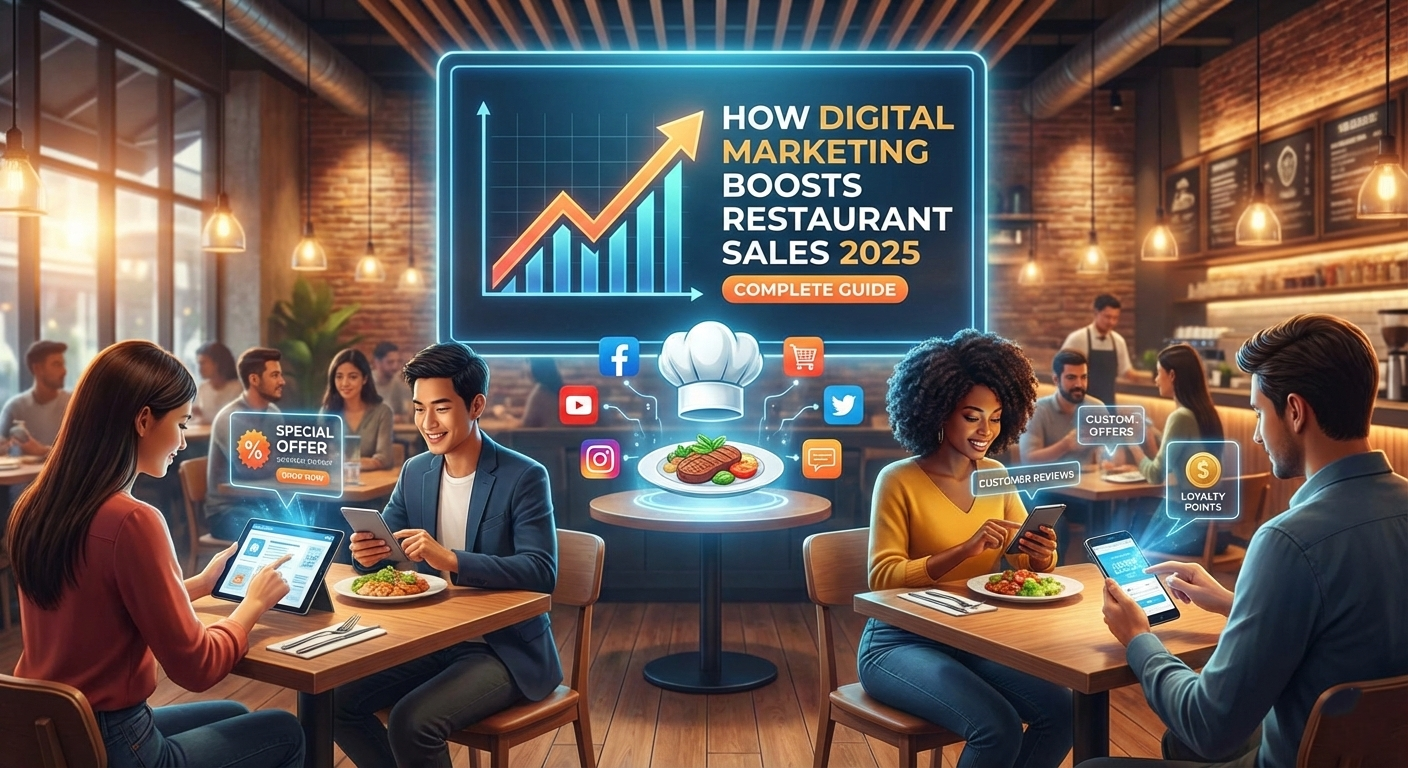
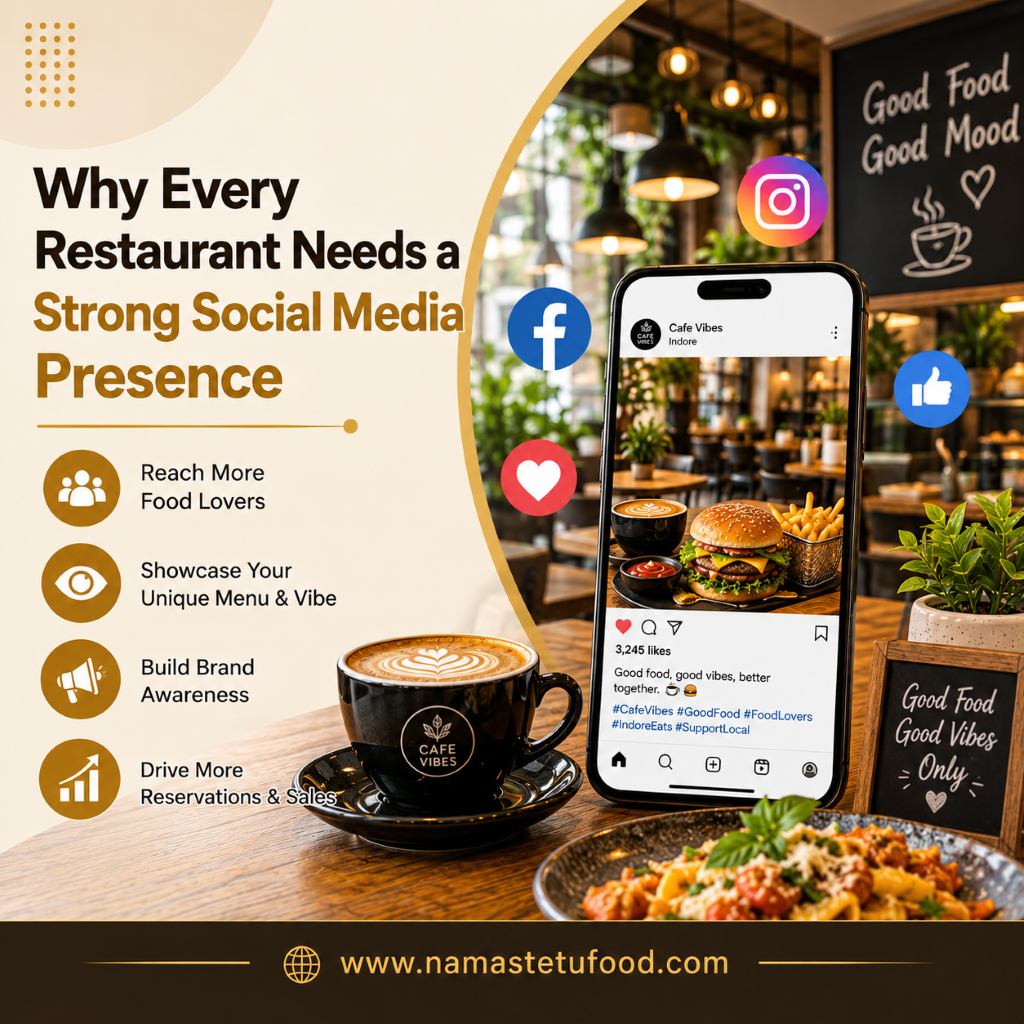
A customer scrolling through a restaurant’s Instagram before dinner is often deciding whether to visit, not just passing time. This small, everyday habit is exactly why a restaurant needs a strong social media presence, since the decision to walk in is frequently made online, long before anyone reaches the front door. Restaurants that ignore this shift often struggle to explain why good food alone is not bringing in enough customers.
How Customers Actually Decide Where to Eat Today
Food choices used to depend heavily on location, price, or a friend’s recommendation shared over a phone call. Today, that decision often starts with a quick scroll through Instagram or a glance at recent reviews, sometimes before a customer even feels hungry.
This shift means a restaurant’s online presence frequently forms the first impression, shaping expectations well before someone actually sits down at a table. A restaurant that looks active, current, and appealing online has already won part of the decision before the customer even opens Google Maps to check the distance.
What Happens When a Restaurant Has No Social Media Presence
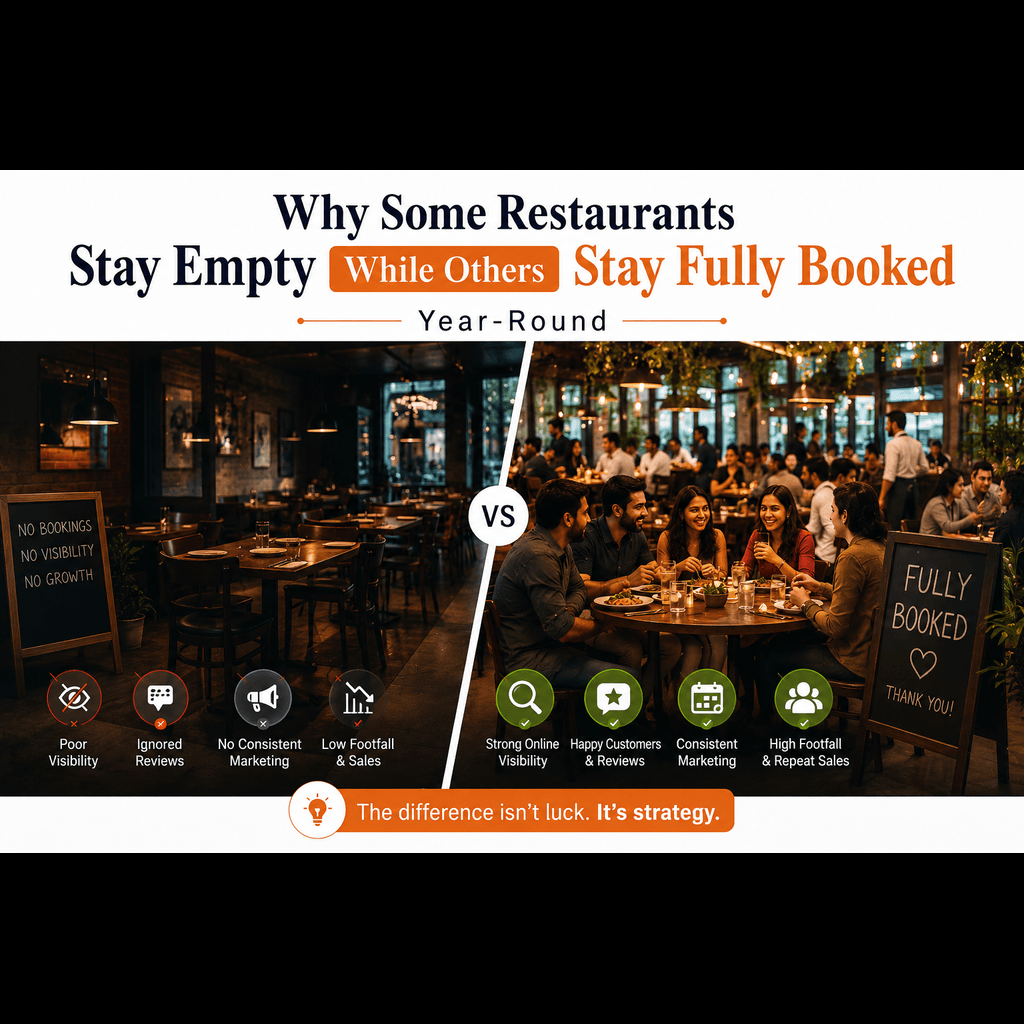
A restaurant with little to no social media activity risks looking closed, outdated, or simply forgotten, even if it is fully operational and busy inside. Customers checking Instagram or Facebook and finding nothing recent often assume the worst and move on to a competitor instead, sometimes without even realizing they made that judgment so quickly.
This gap becomes especially costly during weekends, festivals, or local events, when customers are actively searching for somewhere new or exciting to try. A competitor posting consistently during these windows tends to capture that curiosity first, simply by showing up when it matters most. That is why social media marketing for restaurants matters so much today, because it keeps your restaurant visible to people who are already looking for a place to eat.
Building Trust Through Real Content, Not Just Ads
Trust builds gradually online, and it rarely comes from a single polished advertisement or a one-time promotional post. Real photos, honest reviews, and everyday content tend to earn far more trust than heavily edited marketing material that feels distant or overly staged.
A few things consistently help build this trust:
- Genuine food photos taken in natural lighting, not stock images.
- Customer reactions and reviews shared as they come in.
- Quick, honest replies to comments and direct messages.
- Occasional behind-the-scenes glimpses of the kitchen or staff at work.
Is Instagram or Facebook Better for a Restaurant?
Both platforms serve different purposes, and choosing between them depends largely on the audience a restaurant wants to reach. Instagram tends to work better for younger audiences drawn to visuals, while Facebook still holds strong influence among local, community-focused audiences and older customers.
Most restaurants benefit from using both, though the type of content and tone often needs to shift slightly between the two.
How Restaurant Instagram Marketing Turns Followers Into Customers
Content that goes beyond just food photos, incorporating reels, stories, and quick, authentic videos, tends to perform best on this platform, since it feels less like advertising and more like a genuine look inside the restaurant. This is really what restaurant Instagram marketing looks like when it works well, and this kind of content tends to get shared more often, extending reach well beyond a restaurant’s existing follower count.
Followers alone do not pay the bill, though, which is why consistent posting matters more than chasing a large but disengaged audience.
Why Restaurant Facebook Marketing Still Works for Local Audiences
Local community groups, event pages, and audiences who still rely on Facebook for recommendations continue to make this platform genuinely worth a restaurant’s time. This is where restaurant Facebook marketing remains effective, since local groups and neighborhood pages often generate more direct engagement than a restaurant might initially expect.
Facebook also supports simple, well-targeted local ads, which can work particularly well for promoting a specific event or seasonal offer to nearby customers.
What Makes Social Media Marketing for Restaurants in Indore Different
Reflecting real local culture, rather than following a generic national template, tends to make a noticeable difference here. This is exactly why restaurant social media marketing in Indore performs better when it mentions familiar landmarks, local festivals, or Indore-specific food trends instead of relying on broad, one-size-fits-all content.
Indore’s strong street food culture, in particular, gives restaurants a natural advantage if their content leans into that identity honestly instead of copying trends from other cities.
How Social Media Fits Into a Bigger Marketing Plan
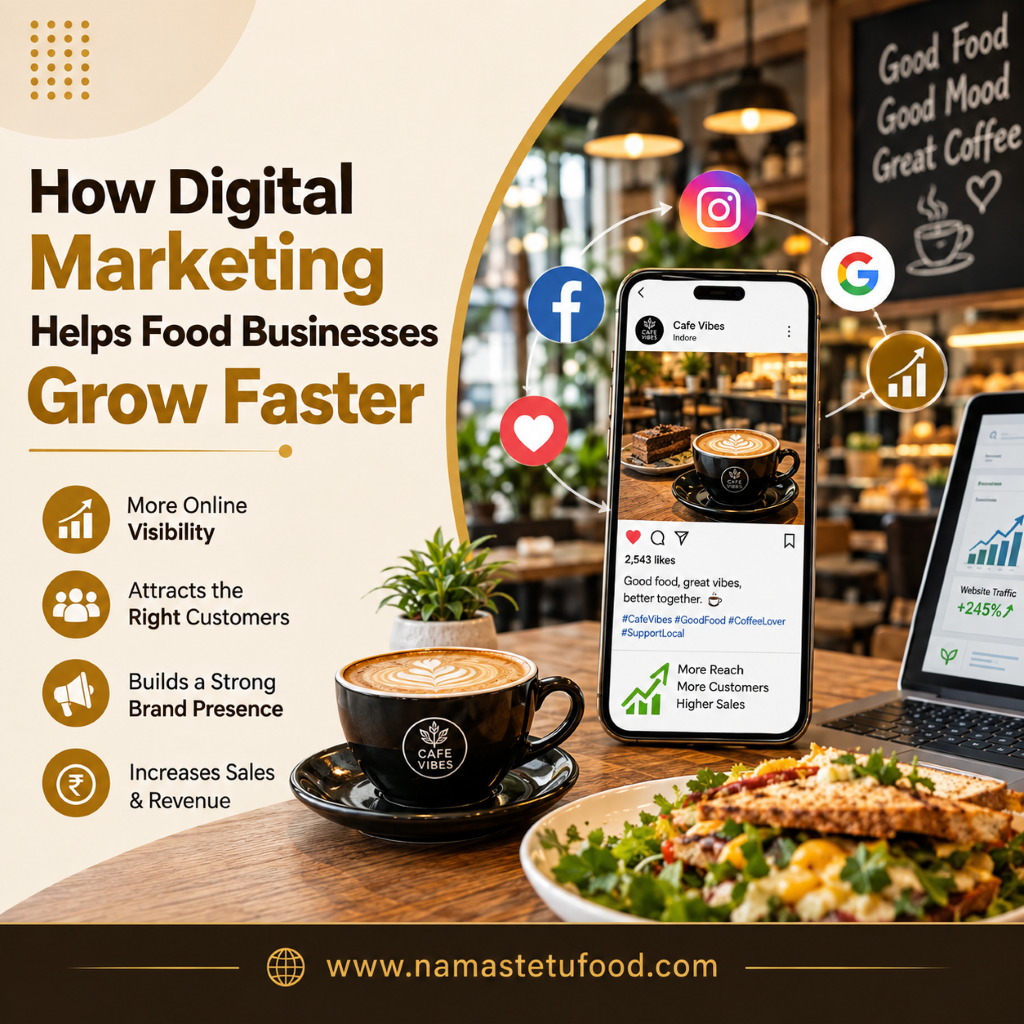
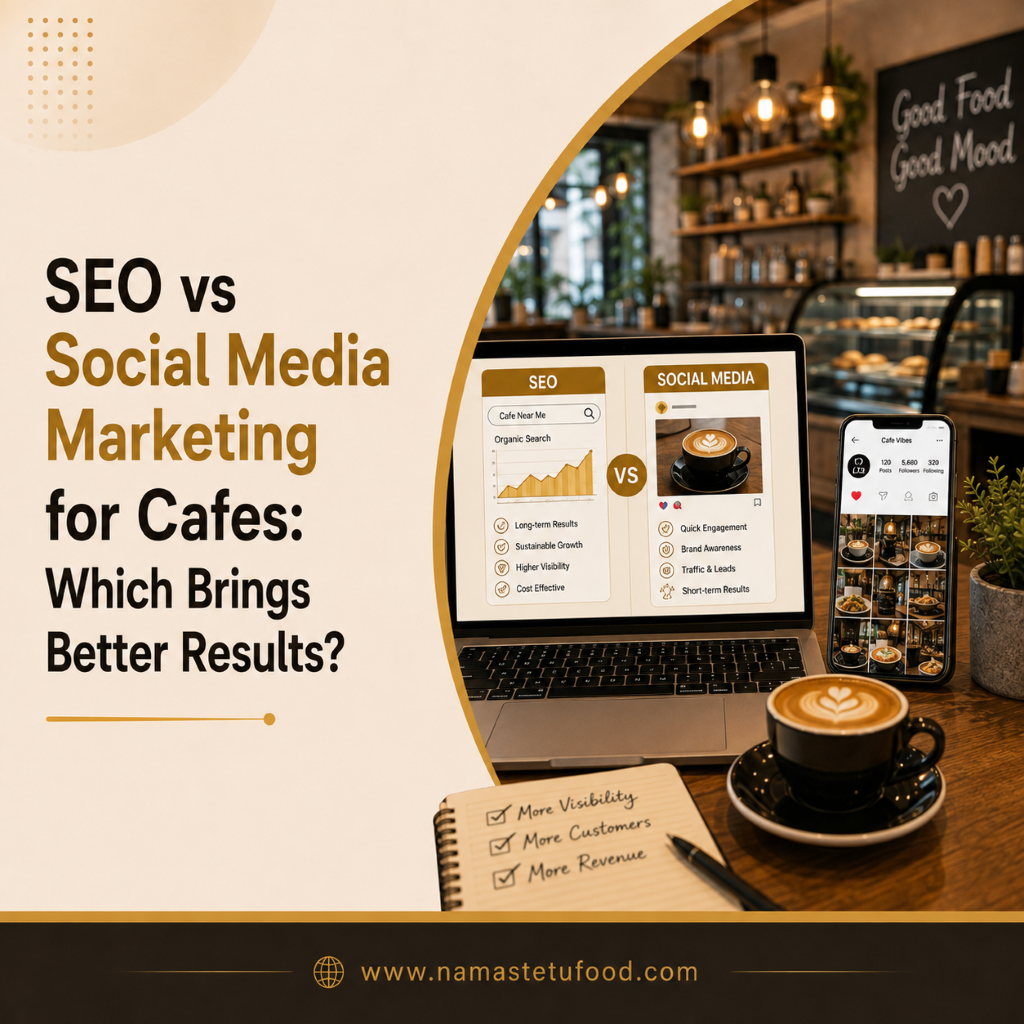
Treating social media as a standalone task, disconnected from everything else, tends to limit its actual impact over time. Strong digital marketing for restaurants usually treats social media as one connected piece, working alongside SEO, reviews, and the restaurant’s website rather than in isolation.
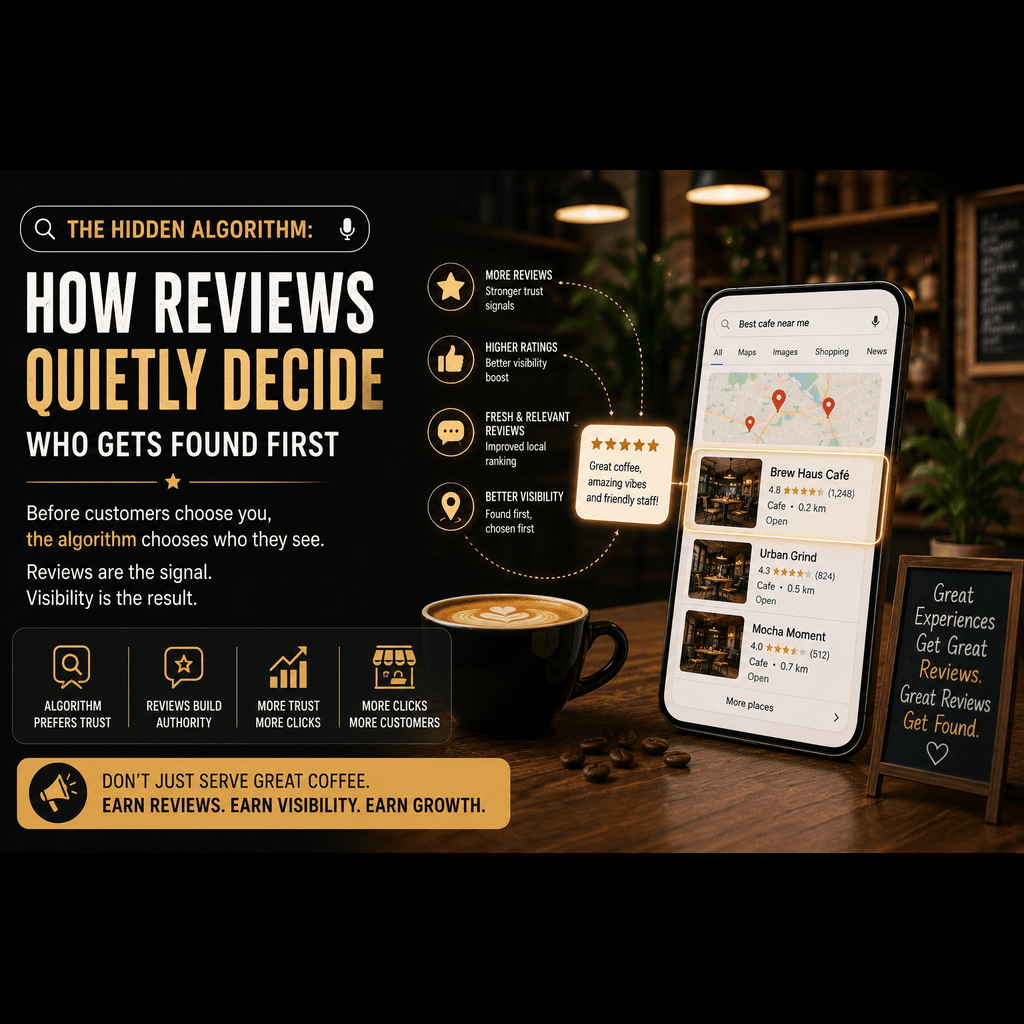
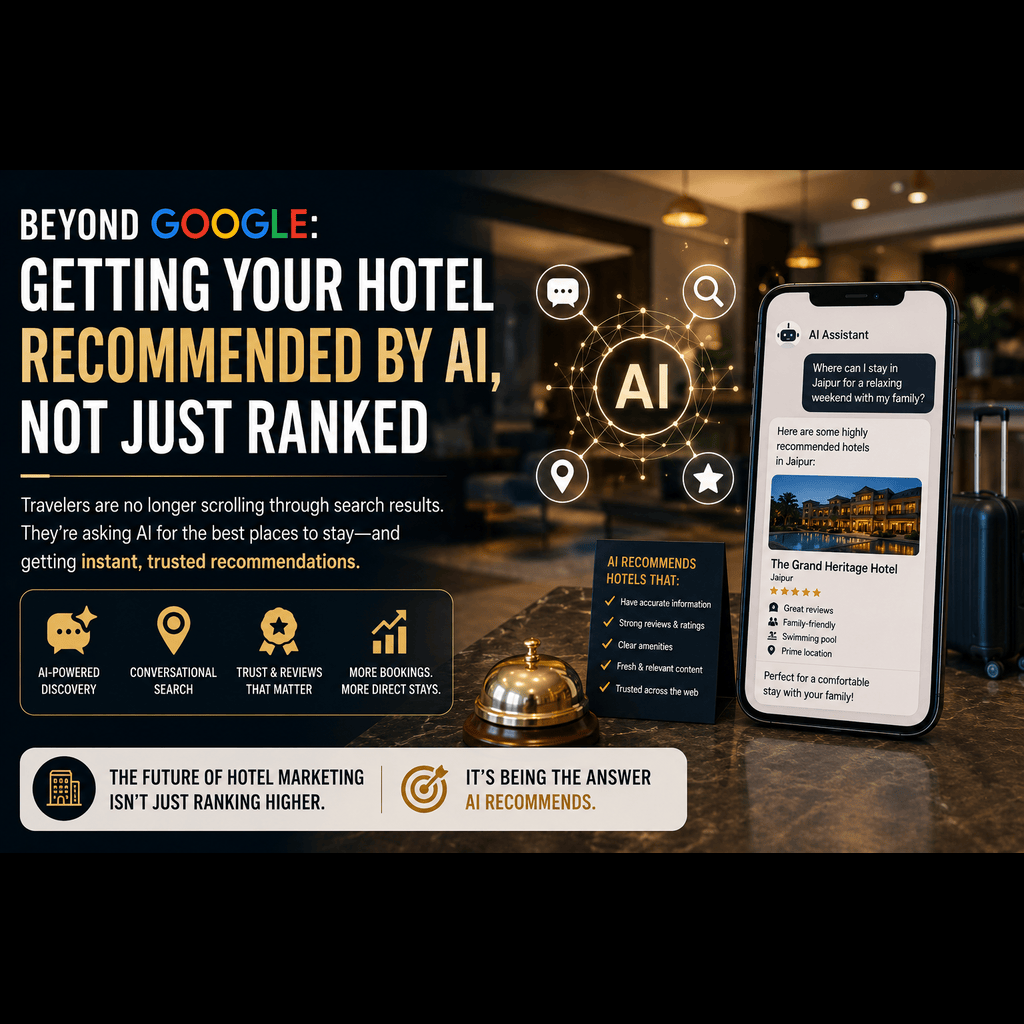
Content that performs well on social media, for instance, can also support local search visibility, since active engagement and genuine reviews tend to build the same kind of trust search platforms favor too.
Where a Food and Beverage Marketing Strategy Comes In
Food businesses genuinely behave differently from other industries when it comes to marketing, since decisions are often driven by appetite and mood rather than pure logic or comparison shopping. A specialized approach to digital marketing food and beverage businesses actually need tends to focus more on sensory appeal, timing, and emotional connection than a generic strategy built for any product.
This distinction often shows up clearly in performance, since content built specifically around food and drink usually outperforms marketing borrowed from unrelated industries.
Common Mistakes Restaurants Make on Social Media
Even restaurants that post regularly sometimes see weak engagement, usually because of a few avoidable habits rather than social media itself being ineffective.
- Posting only when convenient, with no consistent schedule.
- Using low-quality, poorly lit photos that make good food look unappealing.
- Ignoring comments and messages instead of replying promptly.
- Copying trends without adapting them to fit the restaurant’s own identity.
- Measuring success only by follower count instead of actual visits and orders.
Frequently Asked Questions
Why does a restaurant need a strong social media presence?
A restaurant needs a strong social media presence because most customers now check online activity, reviews, and recent posts before deciding where to eat, making it a key part of the first impression.
Which social media platform is best for restaurants?
Instagram generally works best for visual content and younger audiences, while Facebook remains strong for local community engagement, and most restaurants benefit from using both.
How often should a restaurant post on social media?
Posting three to five times a week, consistently, tends to work better than posting daily for a short burst and then going quiet for weeks afterward.
Does social media really affect a restaurant’s local search ranking?
Yes, active social media combined with genuine reviews tends to support stronger local search visibility, since both reflect real customer engagement and trust.
Can a small restaurant manage social media without hiring help?
Yes, especially in the beginning, though many restaurants eventually bring in support once posting consistently starts competing with the demands of daily operations.
Conclusion
A strong social media presence has become one of the main ways customers actually discover, evaluate, and decide to visit a restaurant today, well before they ever see the menu in person. Restaurants that stay consistent, share real content, and treat social media as part of a bigger strategy tend to build the kind of steady trust and visibility that occasional posting simply cannot match.
Not sure if your restaurant’s social media is actually working? Namastetu Food can take a quick look at your current Instagram and Facebook activity and show you exactly what is missing. Contact us today for a free social media check and see where your restaurant stands before your next slow weekend.