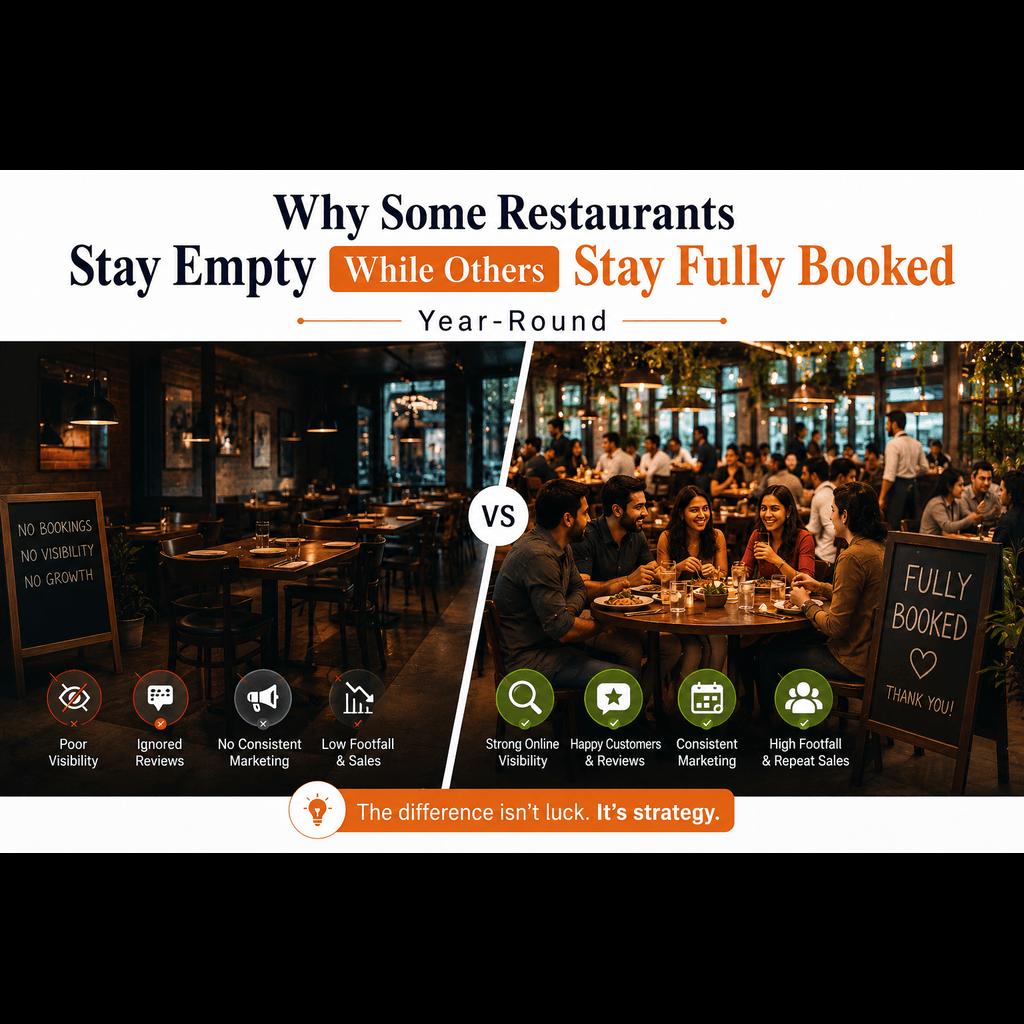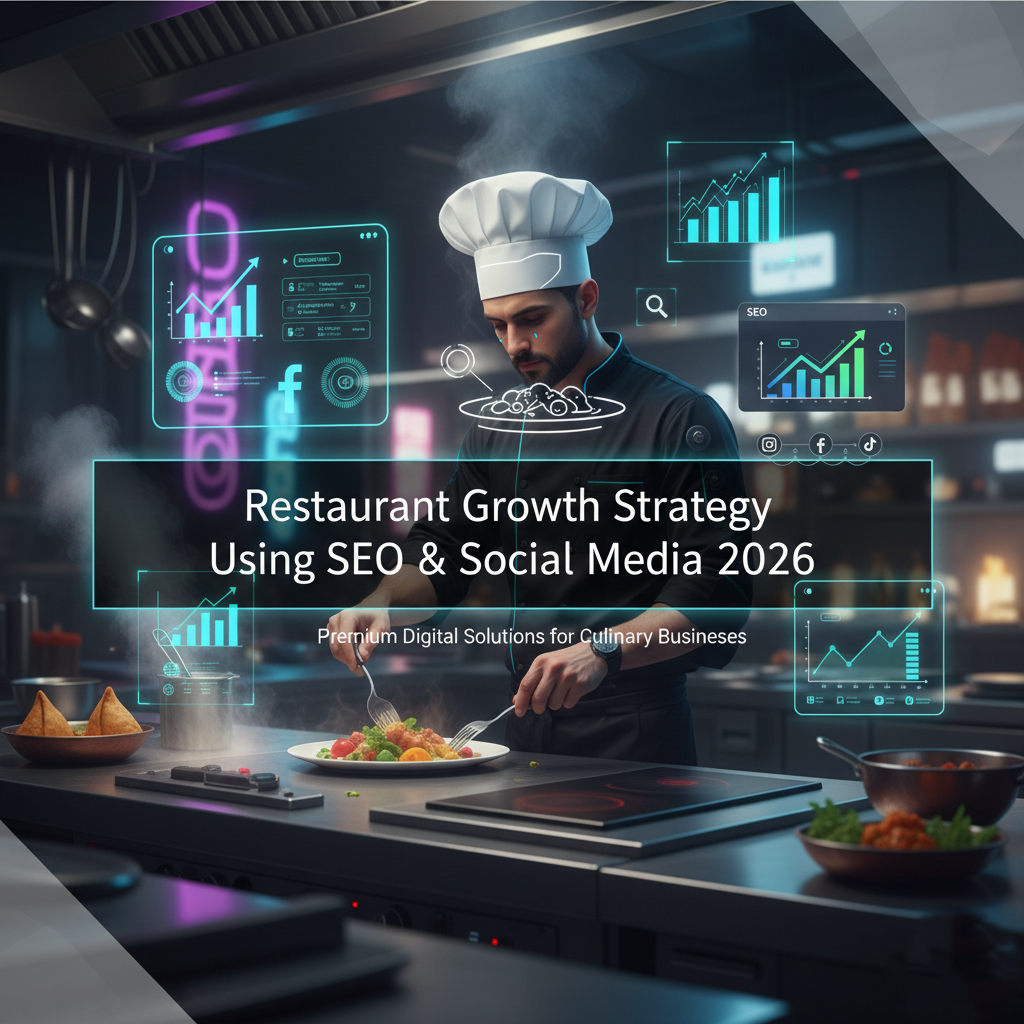
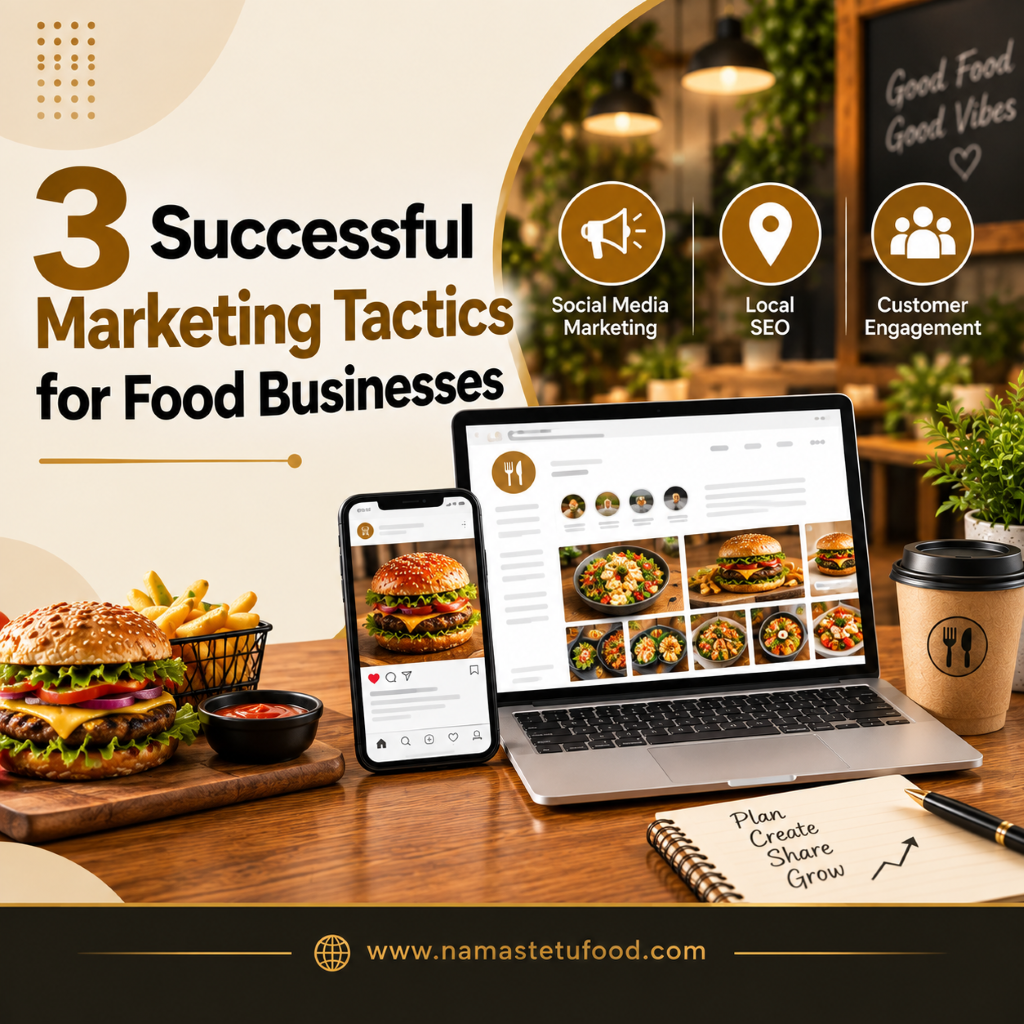
Most food business owners try a little bit of everything, a few social media posts here, a discount there, without ever seeing steady, predictable growth. The real difference usually comes down to focus, which is exactly why these three marketing tactics for food businesses consistently outperform scattered, random efforts. Getting these three right often matters more than adding ten more tactics on top of a shaky foundation, since chasing every new trend rarely fixes a strategy that lacks direction in the first place.
At Namastetu Food, we have worked with restaurants, cafes, and bakeries across Indore, and the businesses that grow fastest almost always stick to a focused version of these same three tactics rather than chasing every new marketing trend that comes along.
Why Food Businesses Need the Right Tactics, Not Just More of Them
Spreading effort across too many channels at once often produces weaker results than focusing deeply on a few that actually matter. A food business posting daily on five platforms while ignoring its Google listing, for instance, is likely to grow slower than one focusing on just local search and one social platform, done consistently.
Understanding which tactics genuinely move the needle tends to save both time and budget compared to trying everything at once and hoping something eventually works.
Tactic 1: Local SEO That Puts You in Front of Hungry Customers
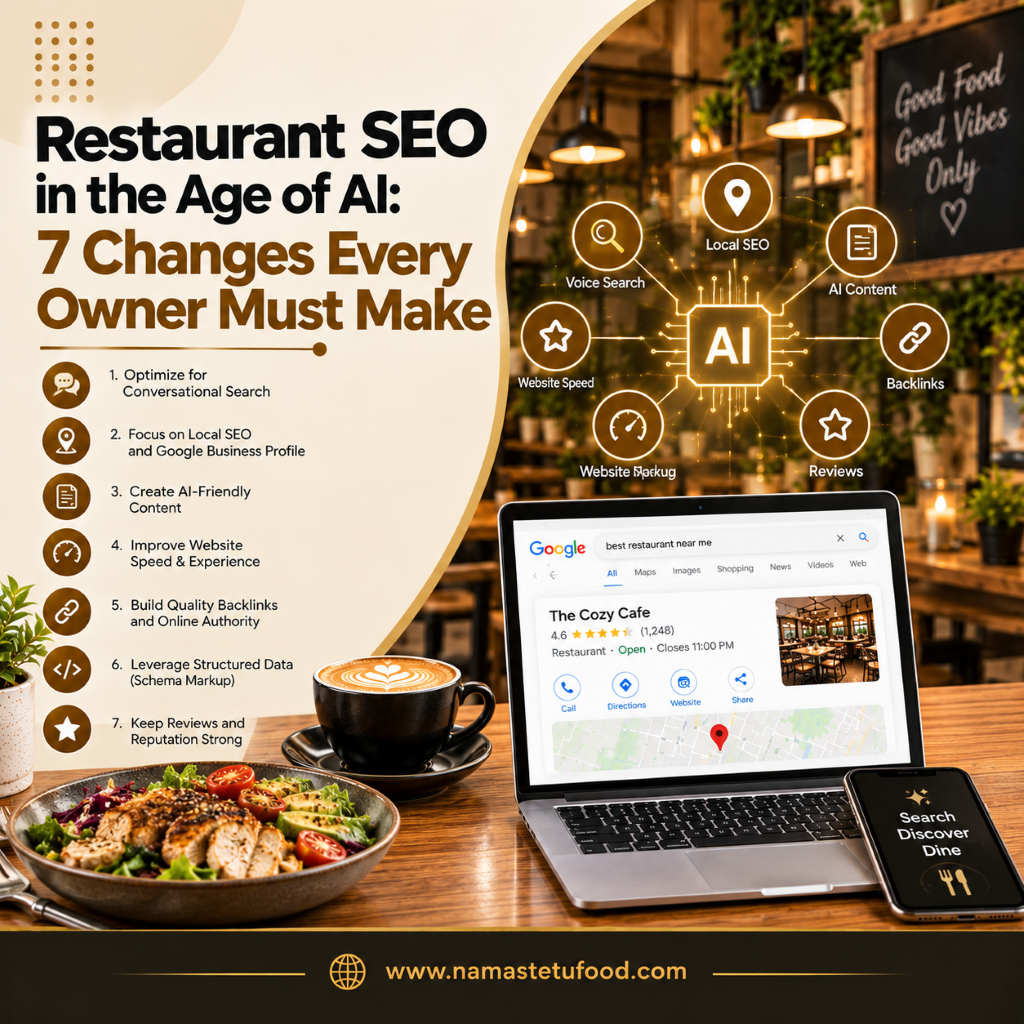
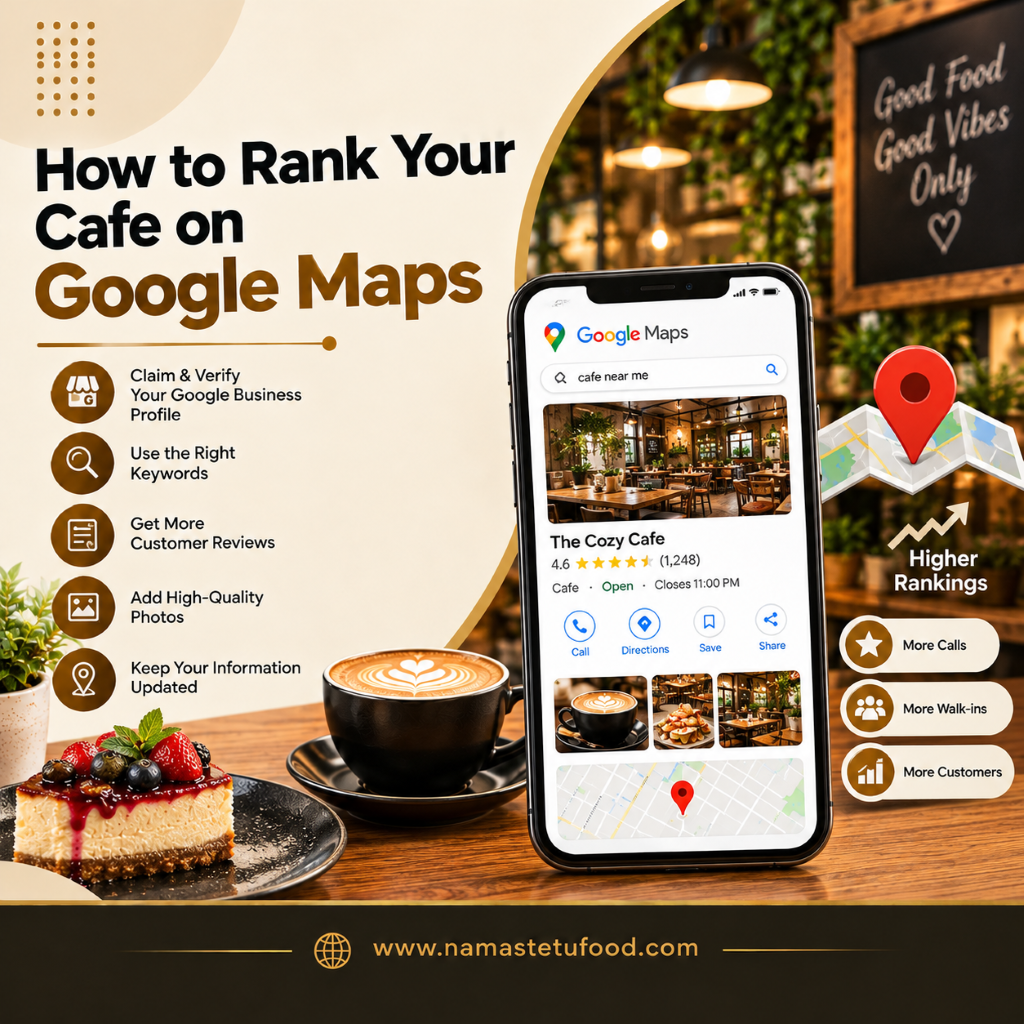
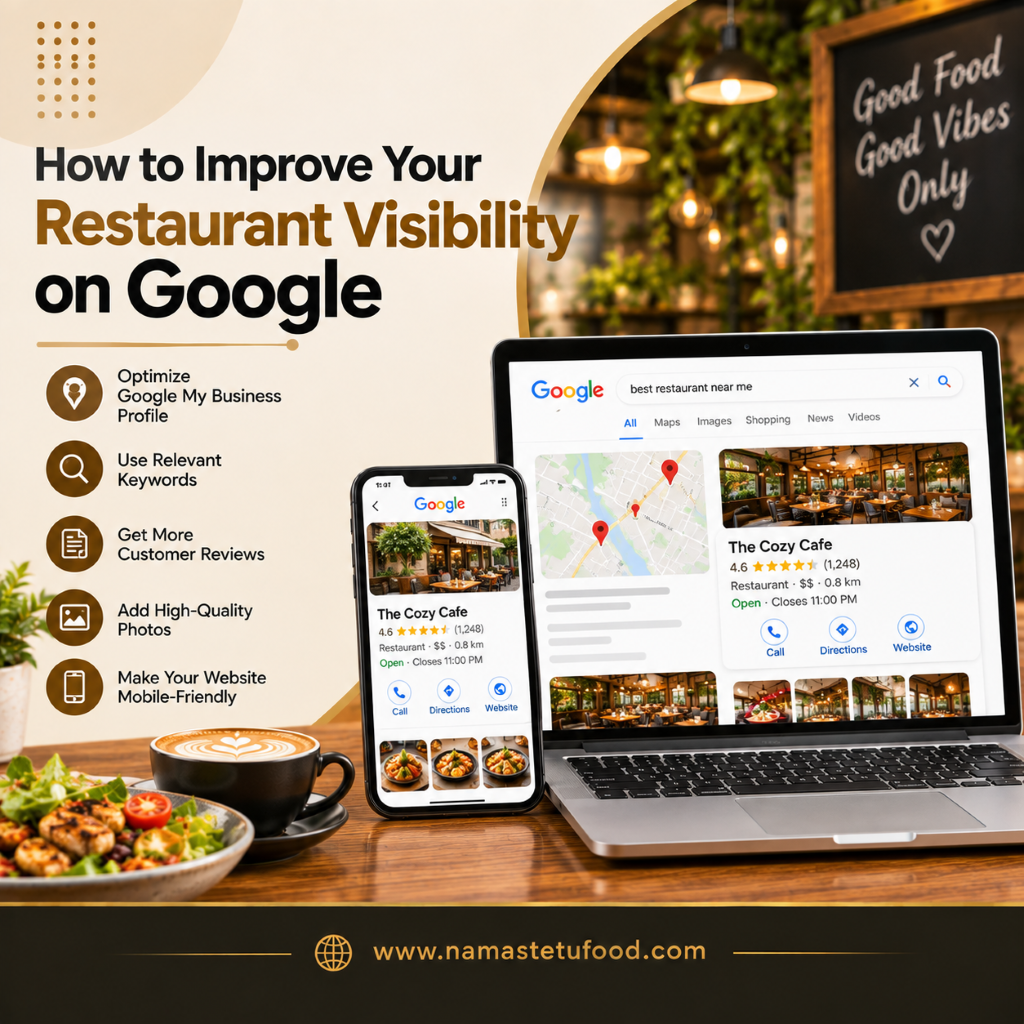
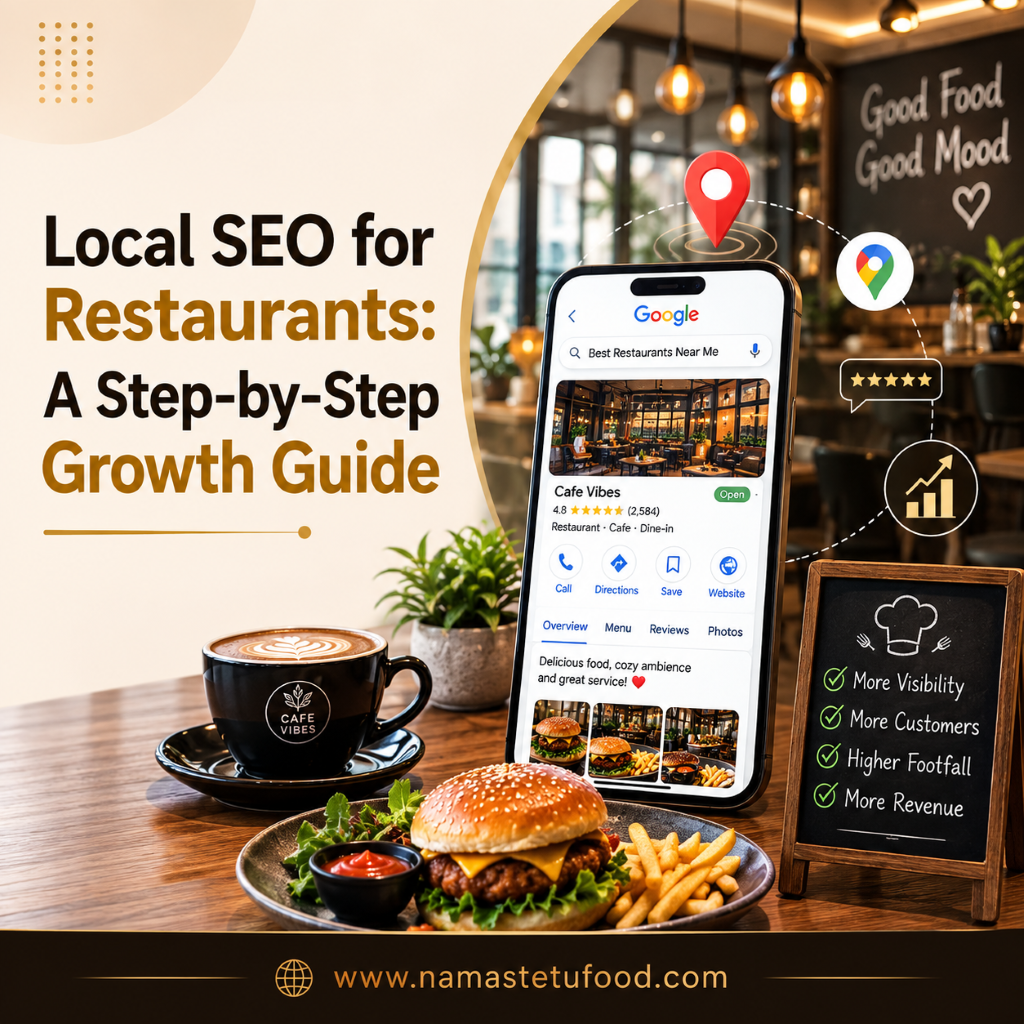
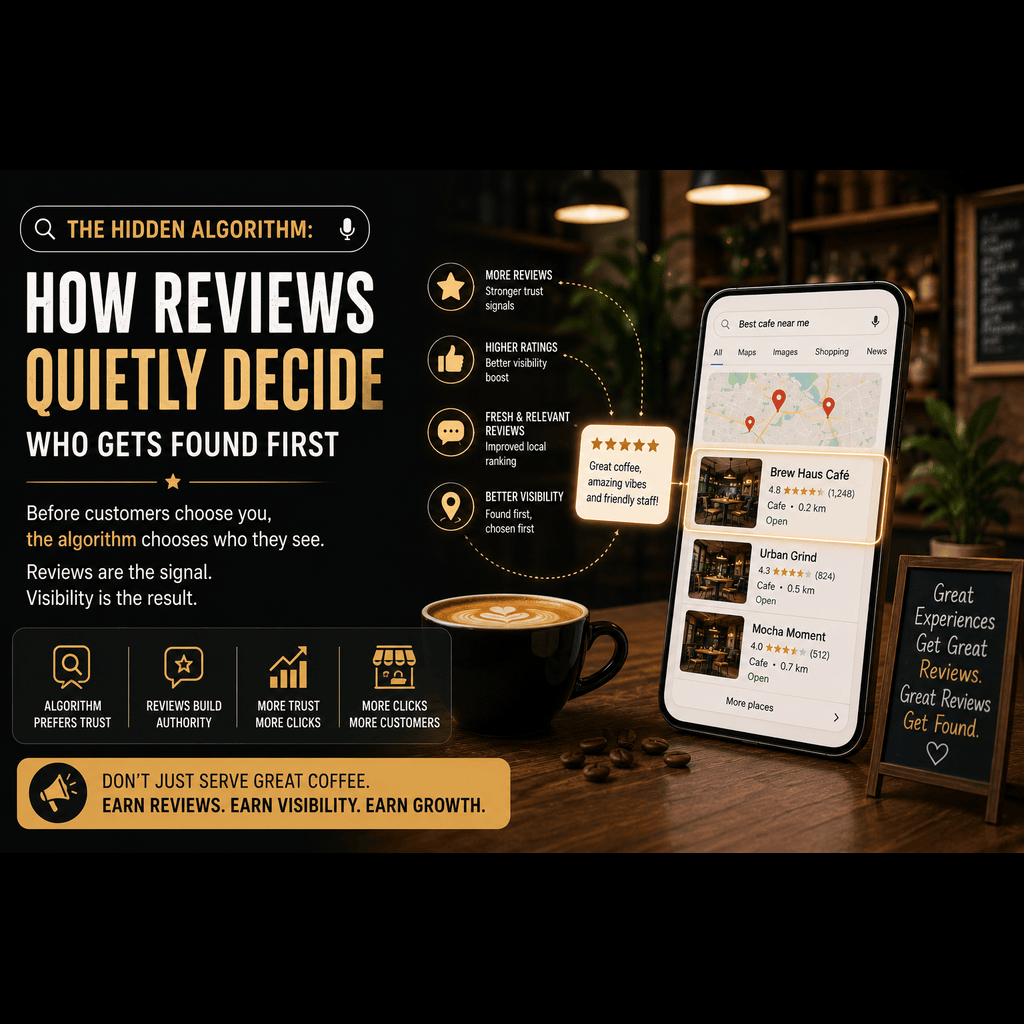
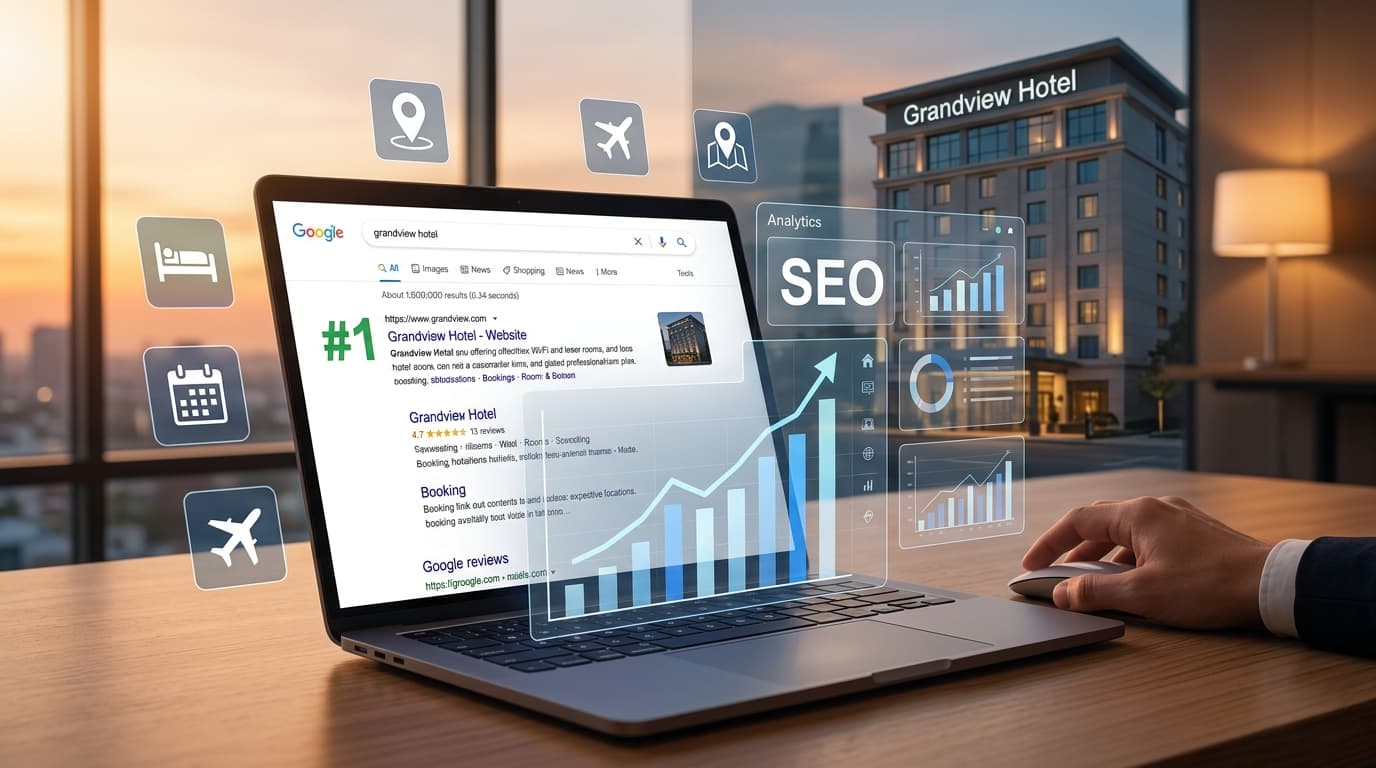
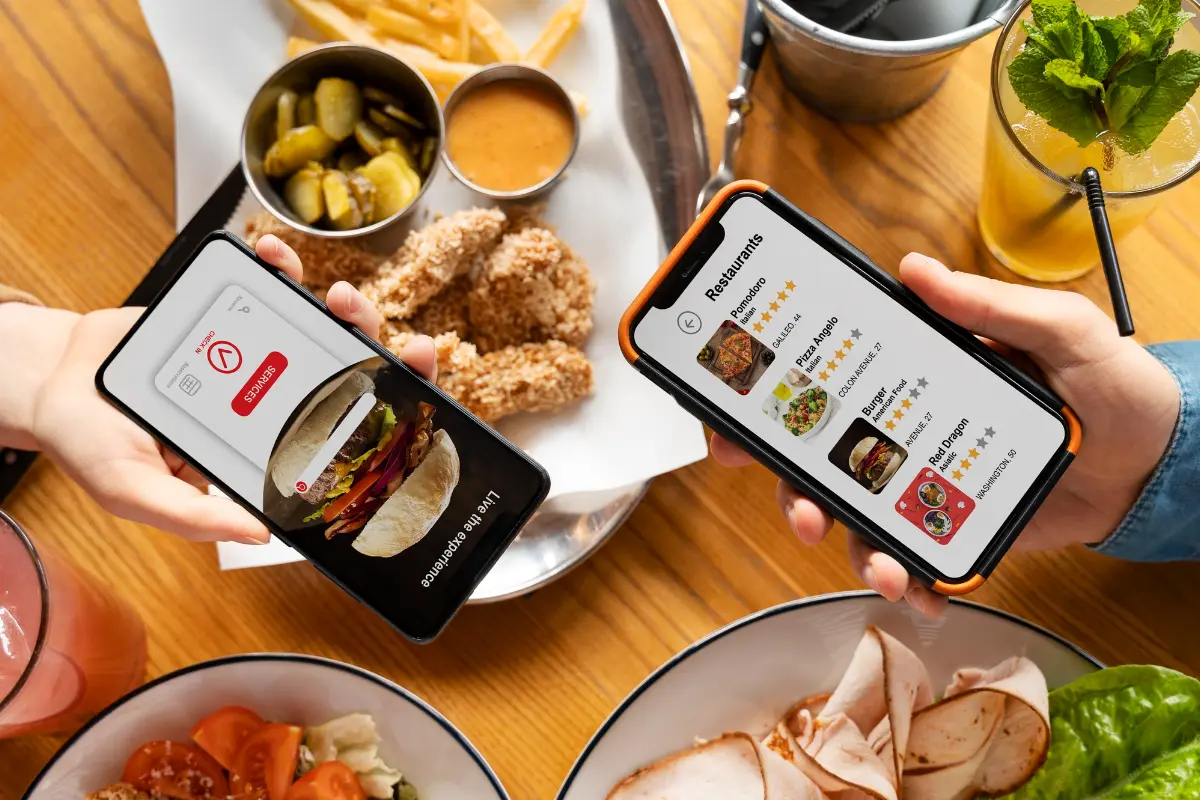
Ranking well when someone searches “restaurants near me” or a specific dish nearby brings in customers who are already actively looking to order. This kind of SEO for food industry in Indore work focuses on optimizing your Google Business Profile, using local keywords, and keeping your listing accurate with current hours and fresh photos.
Local SEO tends to work quietly in the background, building visibility that keeps paying off for months after the initial setup work is done, unlike a single ad campaign that stops the moment spending ends. This makes it one of the more efficient tactics available, since the effort put in early continues generating visibility long after the work itself is finished.
Tactic 2: Social Media Content That Builds Real Trust
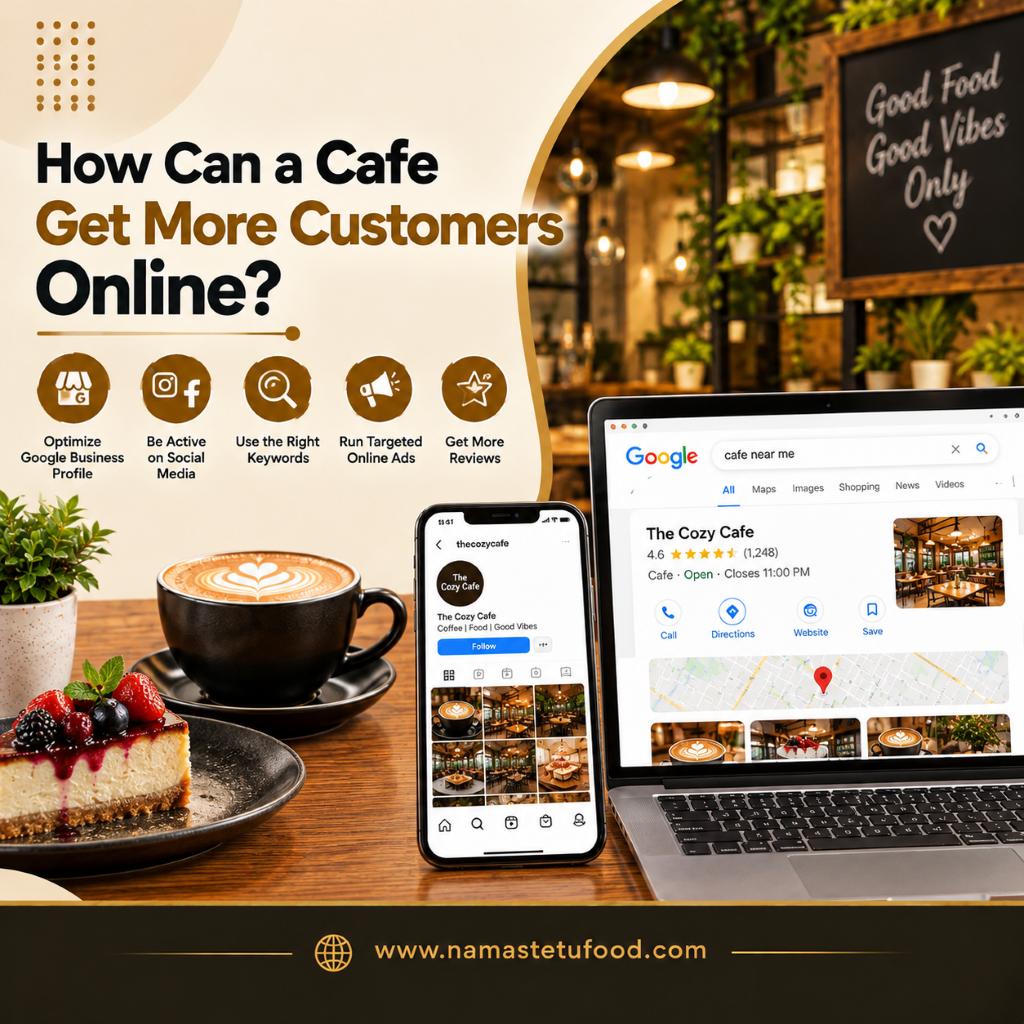
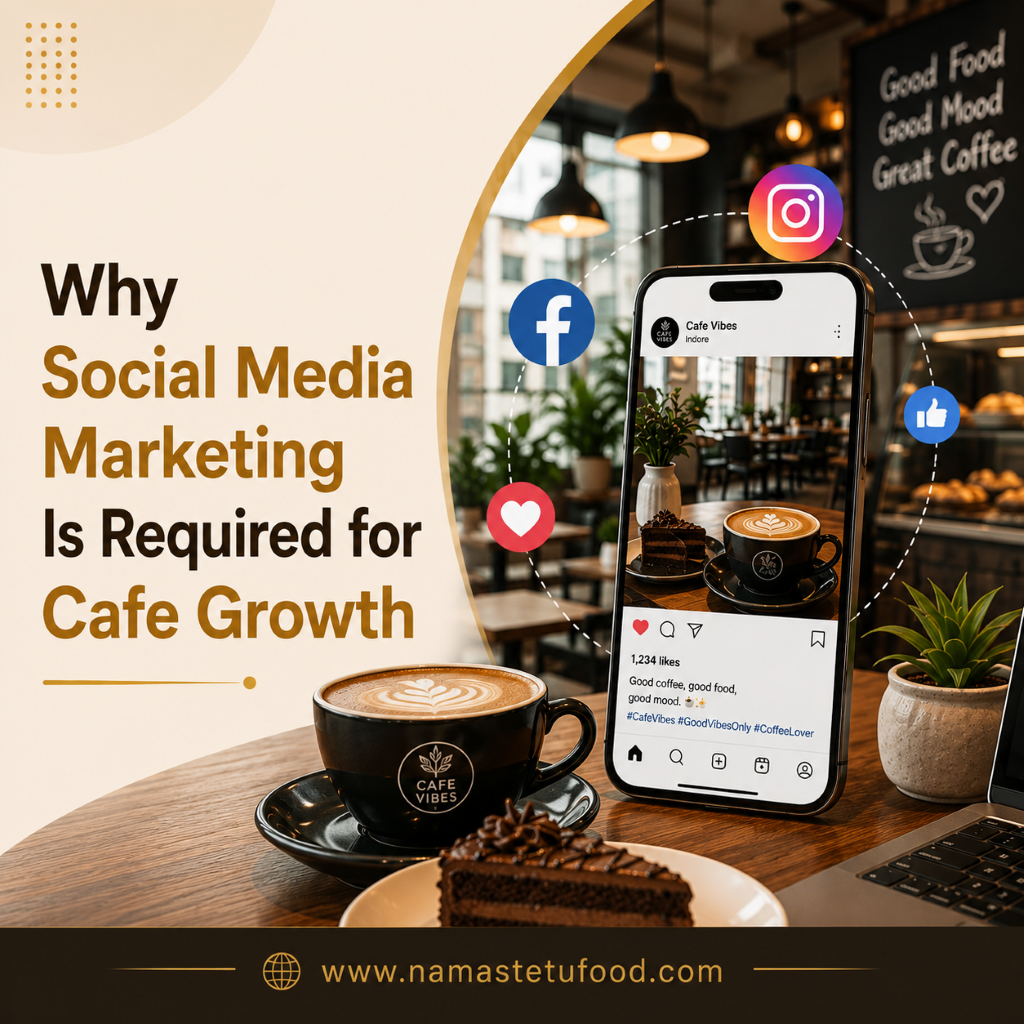
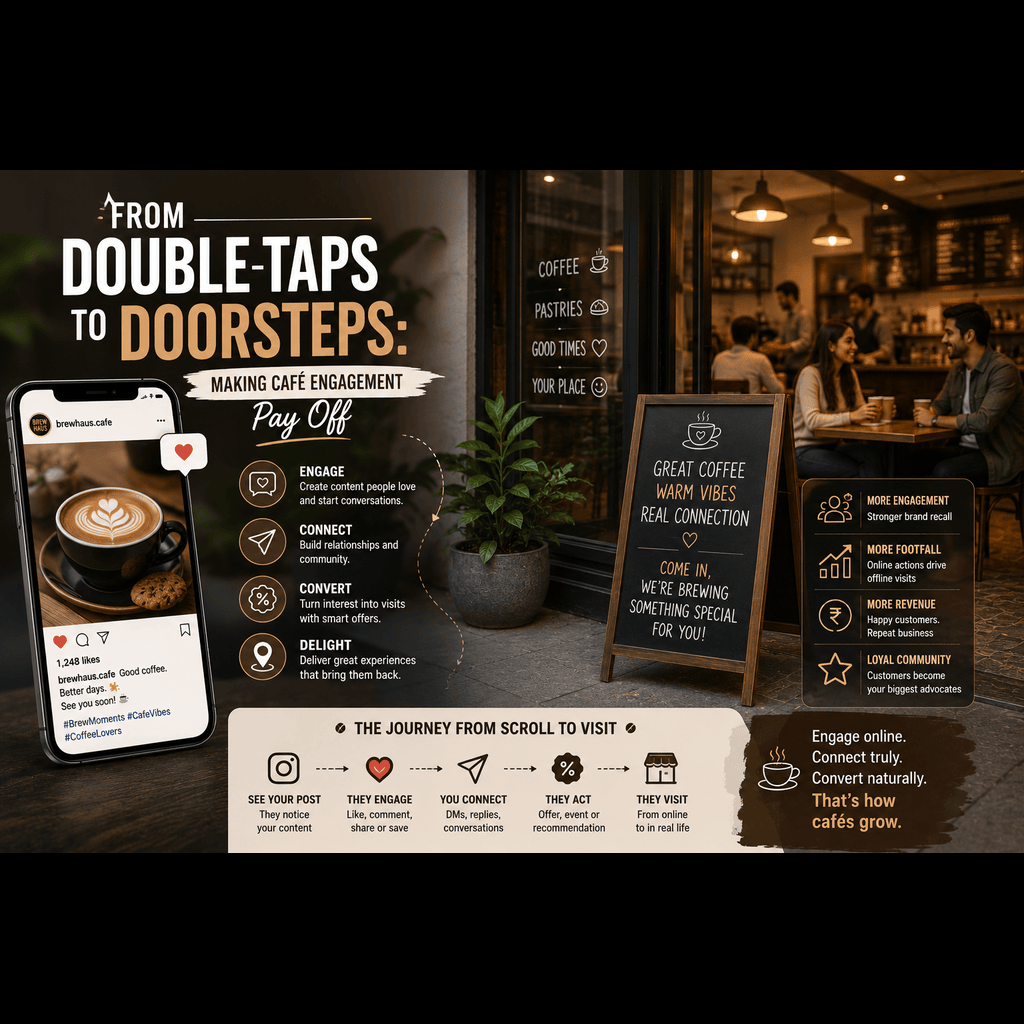
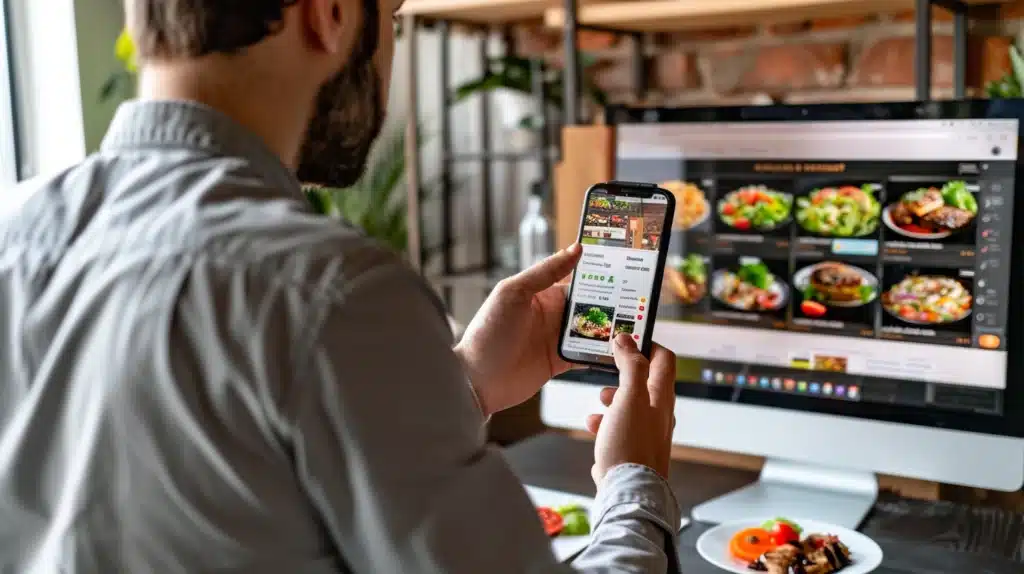
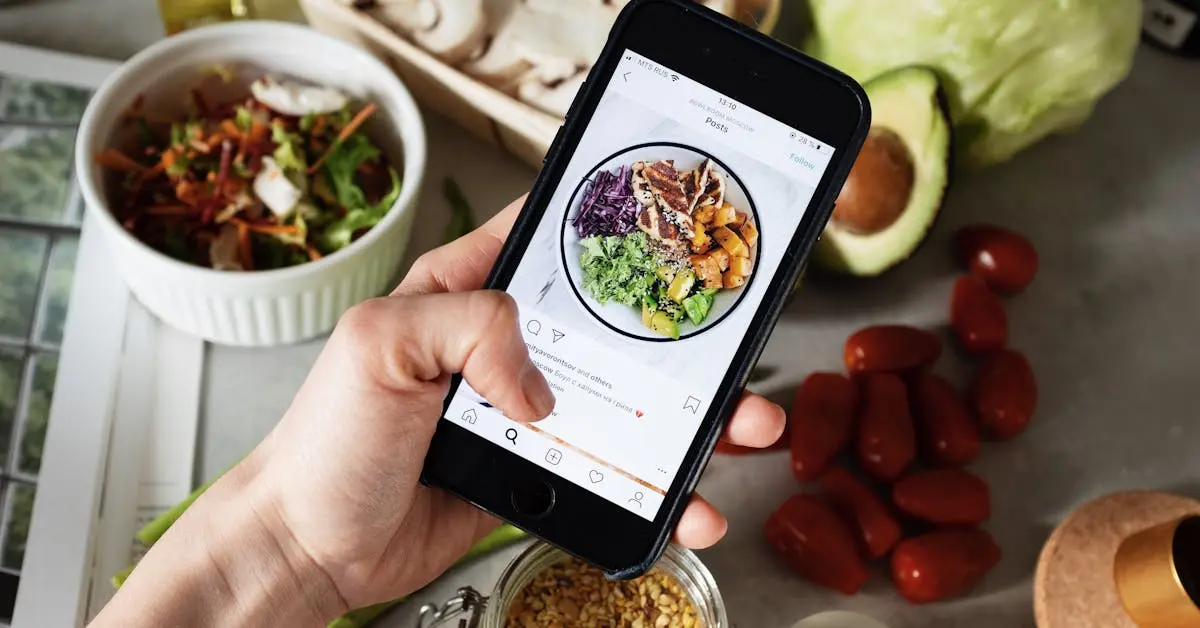
Customers increasingly decide where to eat based on what they see online, making authentic, consistent content a genuine growth driver rather than just a nice extra. Real photos, honest reviews, and behind-the-scenes glimpses are part of good social media marketing for restaurants, and they tend to build far more trust than occasional, heavily polished promotional posts.
We have seen this play out directly with one of our cafe clients, where switching from stock-style photos to real, everyday shots of their actual drinks and seating led to a visible increase in profile visits within just a few weeks.
Tactic 3: Timely, Targeted Ads Around Peak Demand
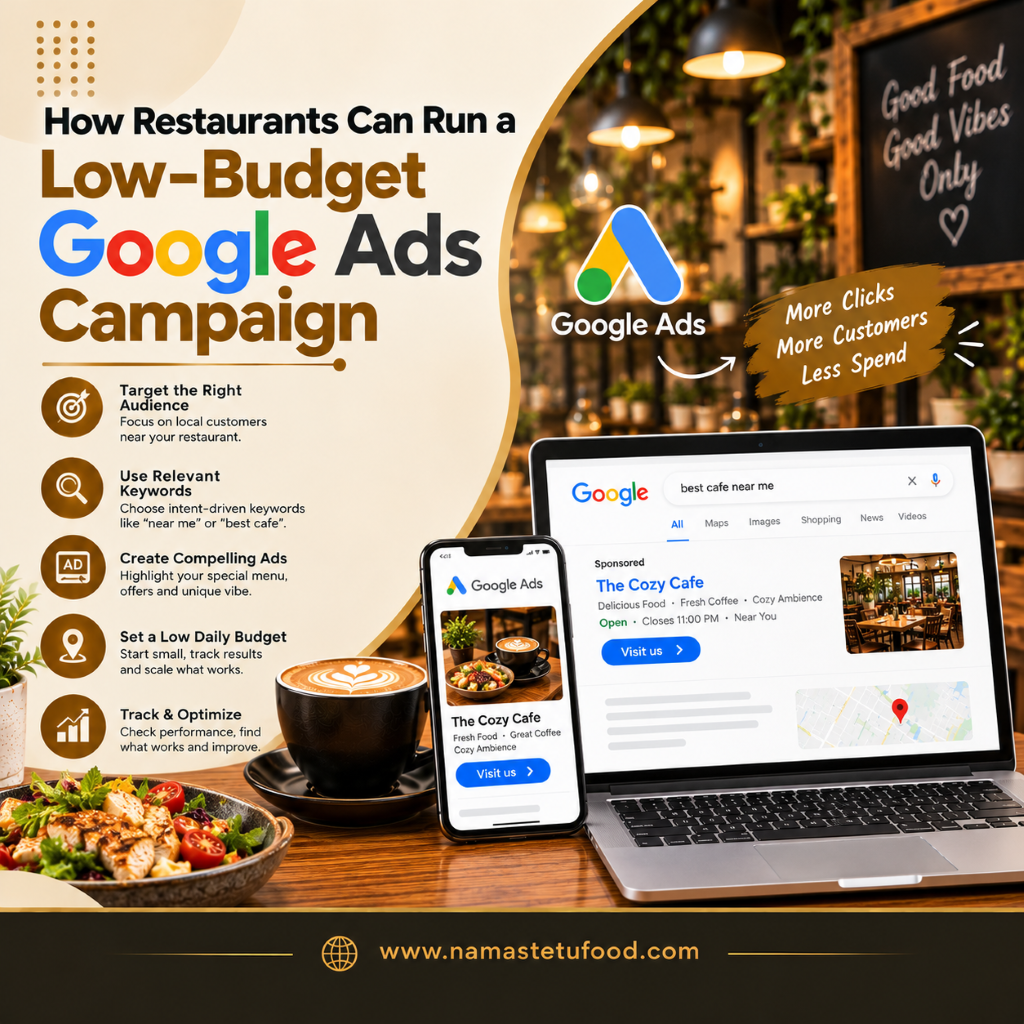
Festivals, weekends, and special occasions naturally bring a spike in demand, making this the ideal window for a small, well-timed ad campaign. Ads work best here because they can put a business in front of ready-to-order customers within days, filling the gap while slower tactics like SEO continue building in the background.
This approach tends to perform noticeably better when paired with a specific, clear offer rather than a generic promotional message with no real hook. A festive discount tied to an exact date, for instance, usually creates more urgency than a vague, ongoing sale that customers can put off indefinitely.
Successful Marketing Tactics for Food Businesses Work Best Together
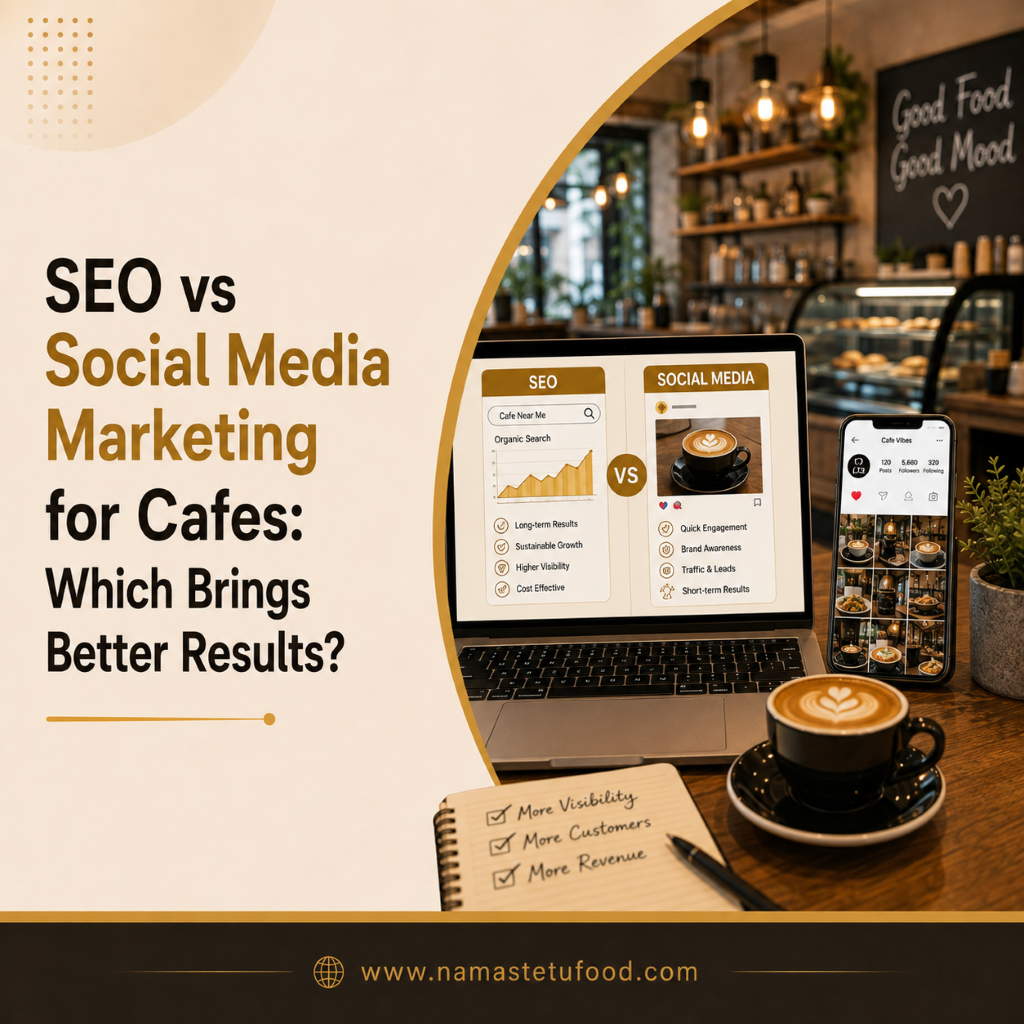
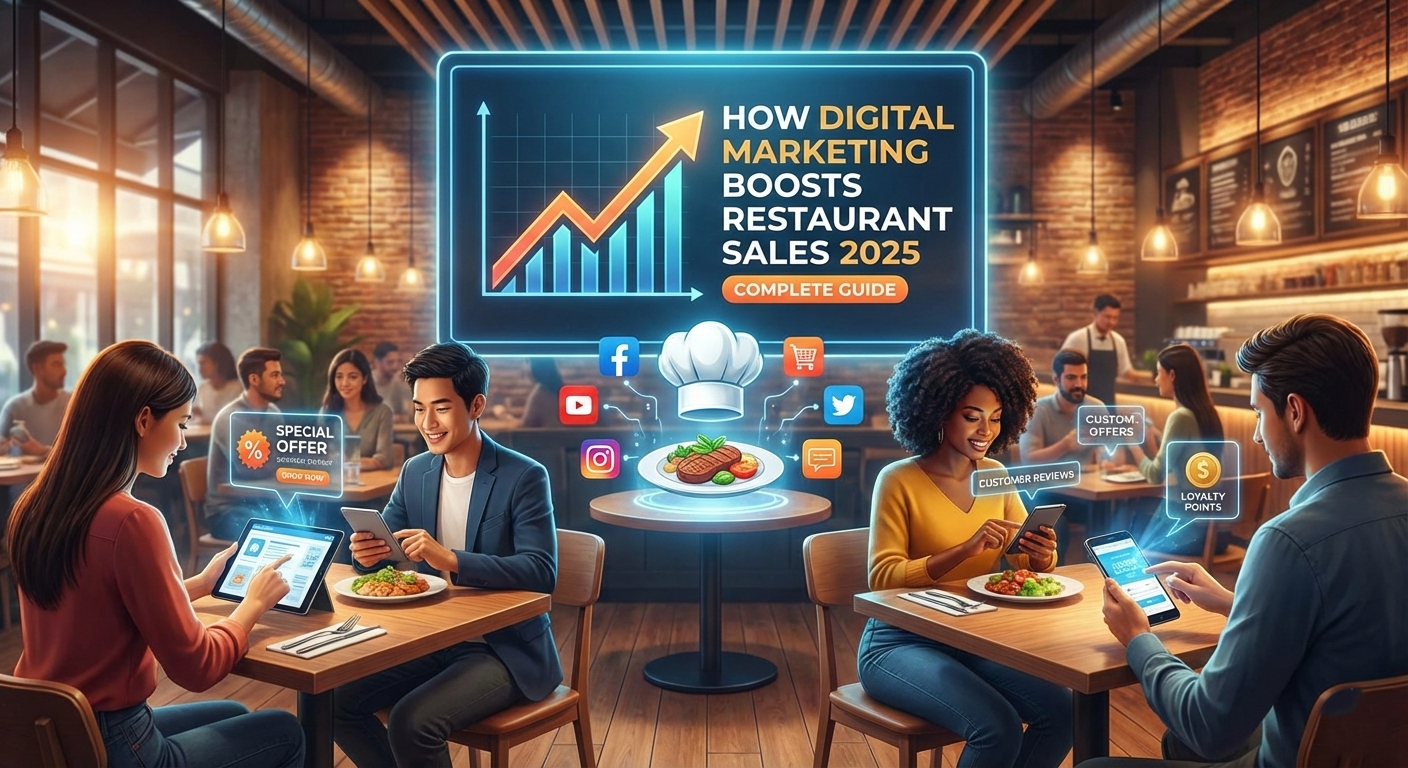
Treating these three tactics as separate, disconnected efforts tends to limit how much impact each one can actually have. The most successful marketing tactics for food businesses usually work together, with social media building the trust that supports SEO, and ads filling in short-term gaps while long-term visibility continues to grow.
A business relying only on ads, for example, often sees demand disappear the moment spending pauses, while one combining all three tends to maintain steadier, more resilient growth.
Choosing a Food Digital Marketing Agency for Execution
Managing all three tactics consistently, while also running daily operations, is genuinely difficult for most owners. A food digital marketing agency typically handles strategy, content, and execution together, ensuring these tactics reinforce each other instead of competing for the owner’s limited time and attention.
This kind of coordinated support tends to matter most once a business is ready to grow beyond its current customer base and needs consistent, ongoing effort rather than occasional bursts of activity. Trying to squeeze in SEO updates and content planning between shifts often means one or both eventually get neglected, even with the best intentions.
SEO for Food Industry in Indore: Winning Local Search
Including real local terms, specific areas, and dishes customers actually search for tends to matter far more than relying on broad, generic keywords used everywhere. This is exactly what strong local SEO work focuses on, since restaurants and cafes that rank well for these terms tend to capture a steady stream of nearby customers actively looking for a place to eat right now.
This steady, compounding visibility often becomes more valuable over time than any single burst of attention from a short-term campaign.
Why Local Expertise Matters: Food Business Digital Marketing in Indore
Generic, one-size-fits-all strategies rarely connect the way locally tailored content does. Food business digital marketing Indore campaigns tend to perform better when they reflect real neighborhood culture, local festivals, and the specific dining habits of people in this city, rather than following a copied national template.
This local understanding often shows up in small but meaningful ways, like knowing which areas respond more to festive sweets versus which ones lean toward continental or fusion menus.
Frequently Asked Questions About Marketing Tactics for Food Businesses
What are the most successful marketing tactics for food businesses?
The most successful marketing tactics for food businesses are local SEO, consistent social media content, and timely ads around peak demand, used together rather than in isolation.
Which tactic should a small food business start with first?
Most small businesses benefit from starting with local SEO and basic social media, since both build lasting visibility without requiring a large upfront ad budget.
How long does it take to see results from these tactics?
Social media and ads can show engagement within days, while local SEO typically takes two to four months to build stronger, more consistent visibility.
Can a small food business manage all three tactics alone?
Yes, especially in the beginning, though many businesses eventually bring in a food digital marketing agency once managing all three consistently becomes too time-consuming.
Why does local marketing matter more than generic strategies?
Local marketing matters more because most food-related searches include a specific area or “near me,” meaning customers are already looking for options close to where they are.
Conclusion
These three marketing tactics for food businesses, local SEO, social media, and timely ads, tend to outperform scattered efforts precisely because they work together rather than competing for the same limited time and budget. Businesses that commit to this focused approach, rather than chasing every new trend, tend to build the kind of steady, compounding growth that lasts well beyond any single campaign.
Not sure which of these tactics would work best for your business? Connect with our team at Namastetu Food and find out exactly where to focus first.