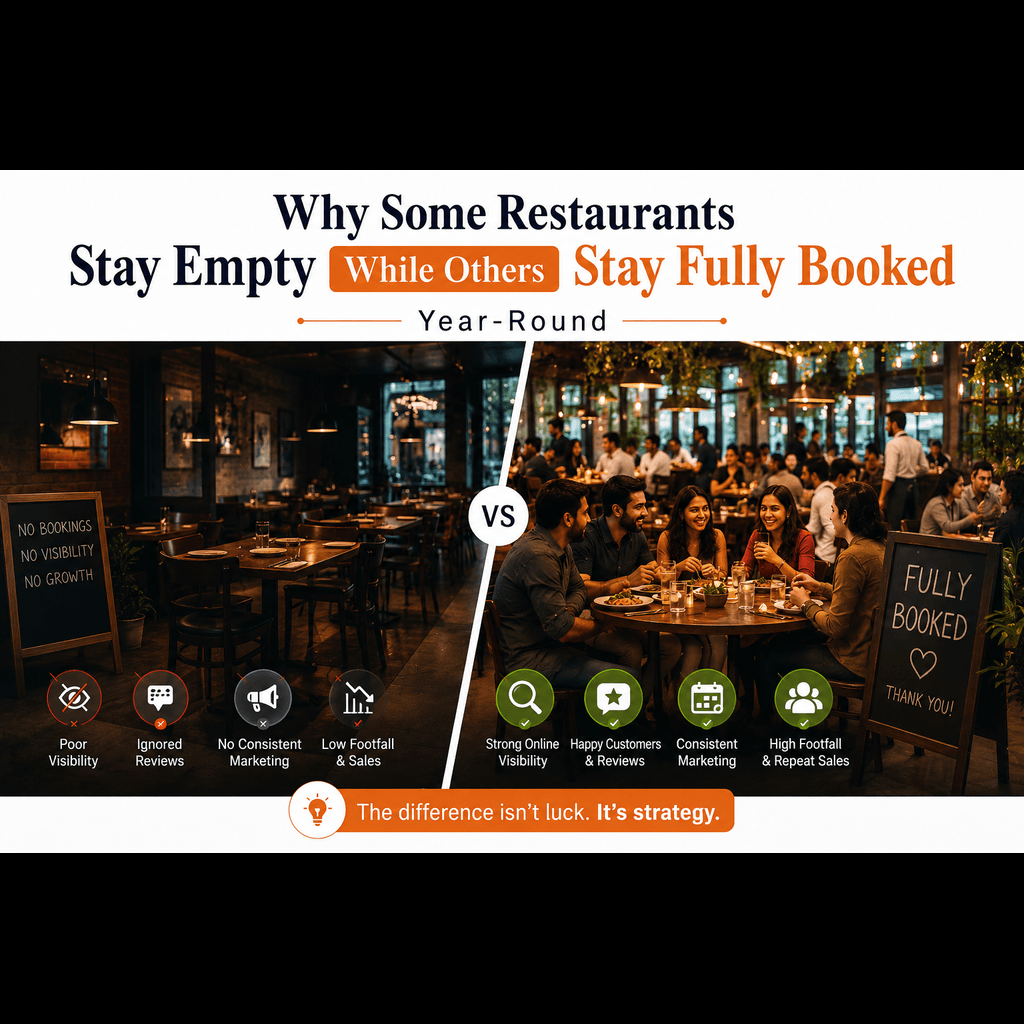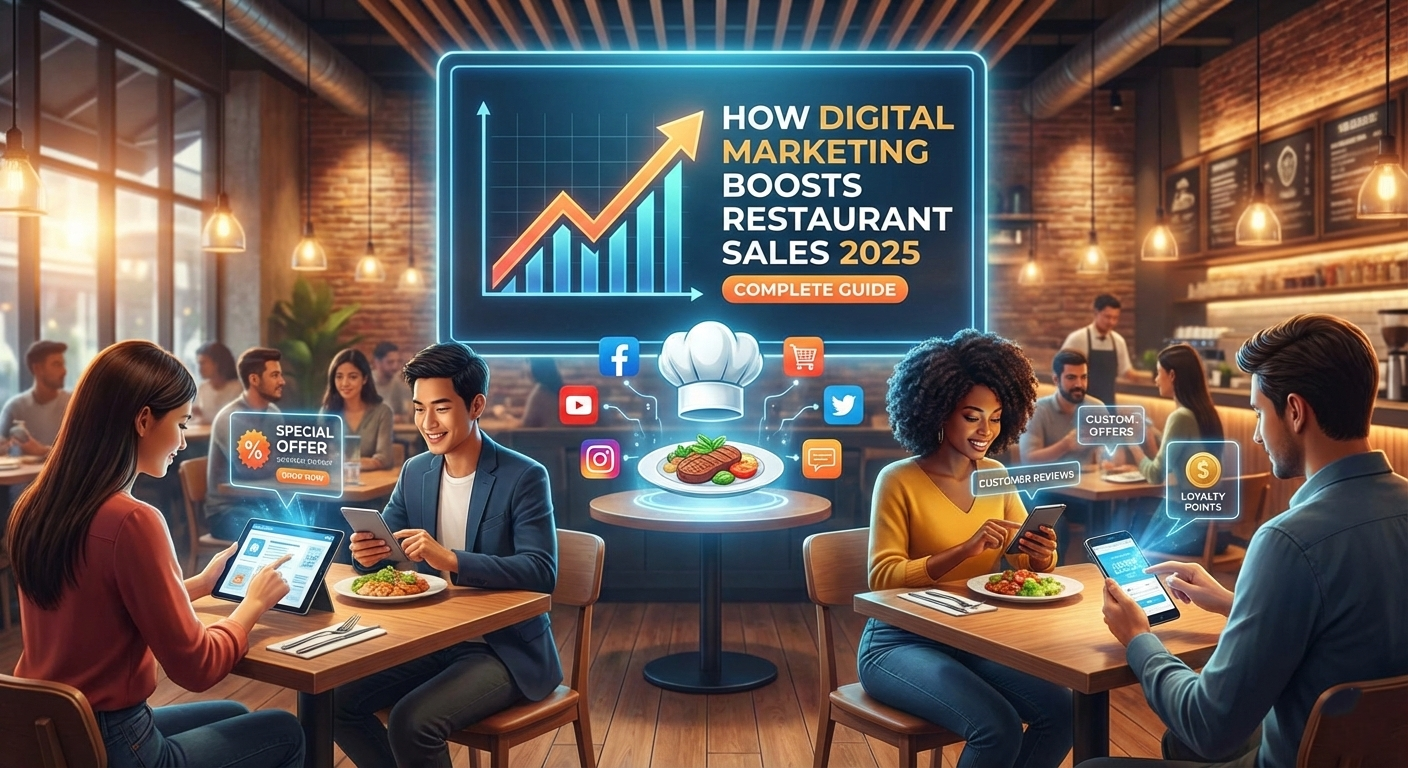
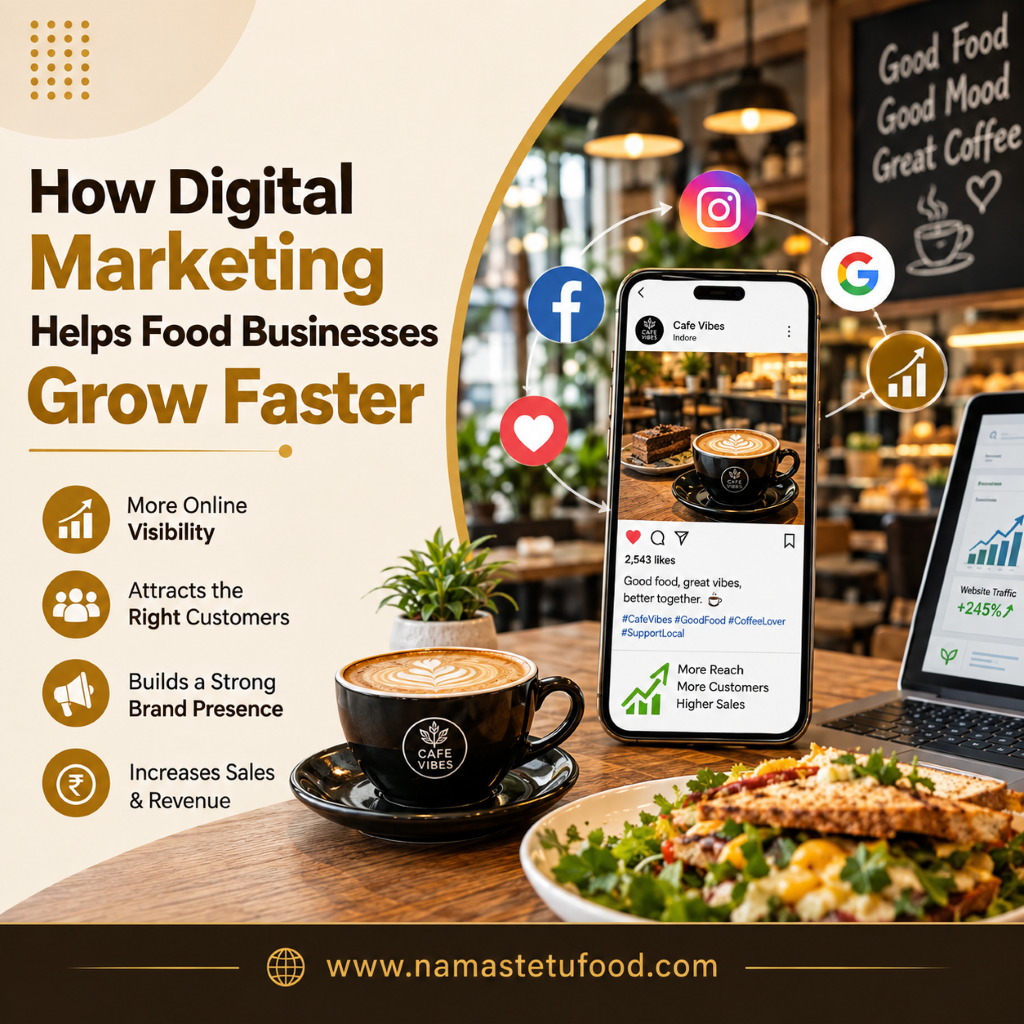
Two restaurants can sell the exact same dish at the same price, yet one stays fully booked while the other struggles to fill half its tables. The real difference usually comes down to visibility, not taste, and this is exactly how digital marketing helps food businesses grow faster than businesses relying only on foot traffic. Once owners understand what actually drives this gap, the next steps become far clearer.
Why Great Food Alone Doesn’t Guarantee Customers
Good food used to be enough to build a steady customer base, mostly through word of mouth and repeat visits. That is no longer true on its own, since most people now check Google or social media before deciding where to eat, even if a friend already recommended a place.
A business invisible online essentially does not exist for a large share of potential customers, no matter how good the food actually is once someone finally walks in.
What Digital Marketing Actually Covers for a Food Business
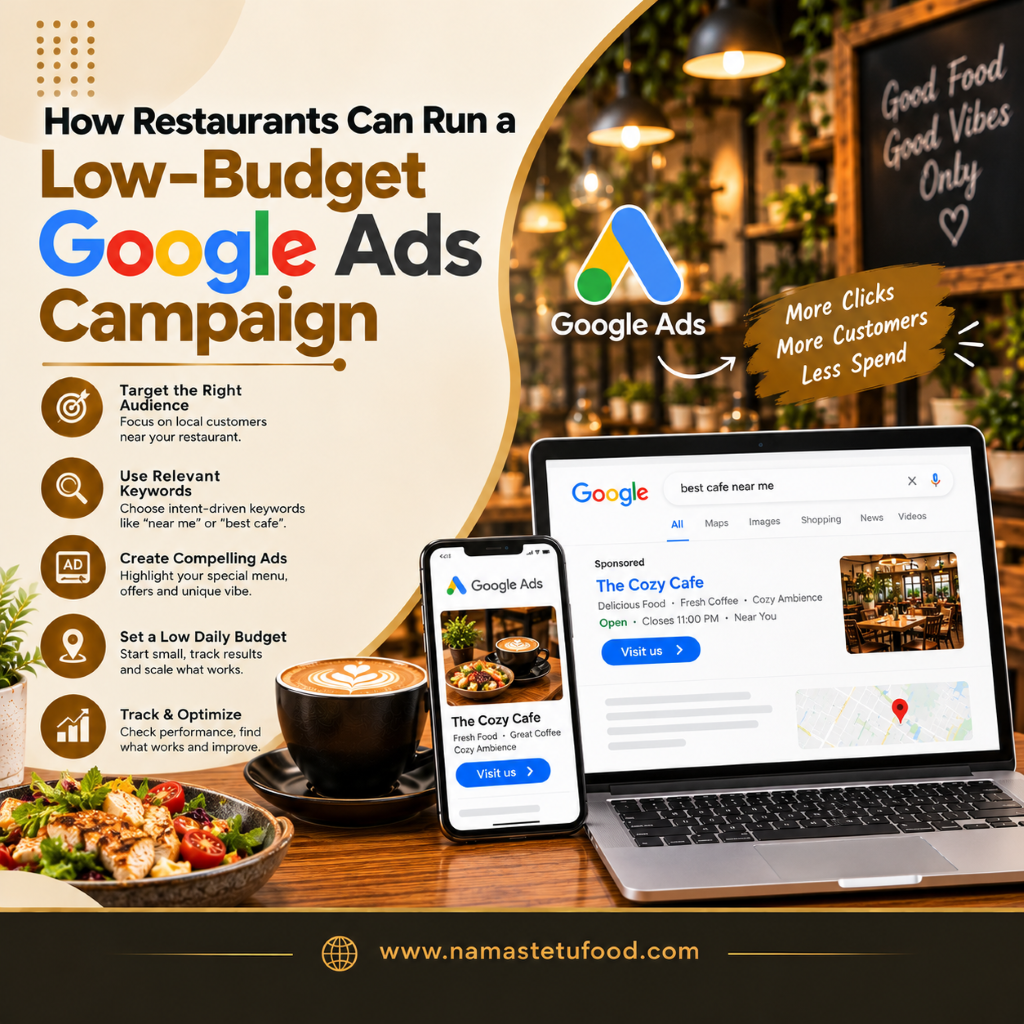
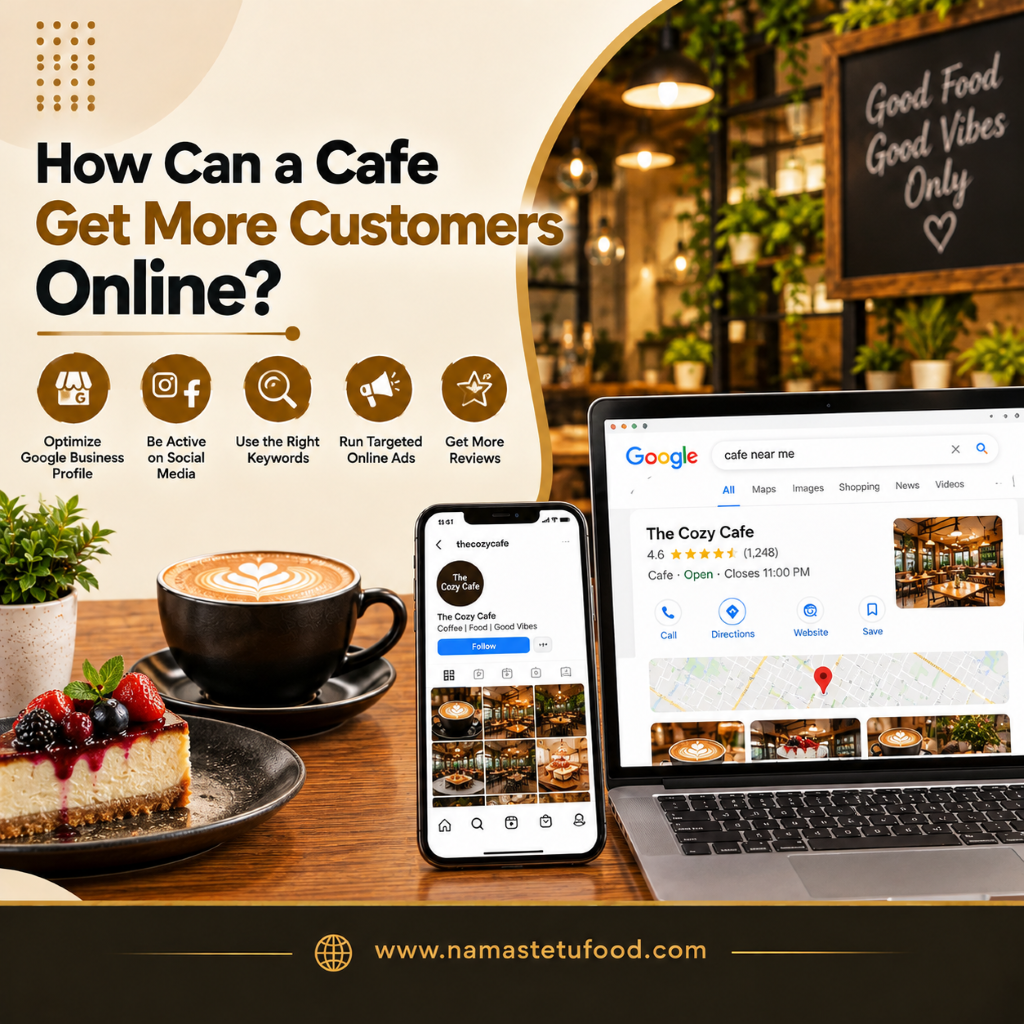
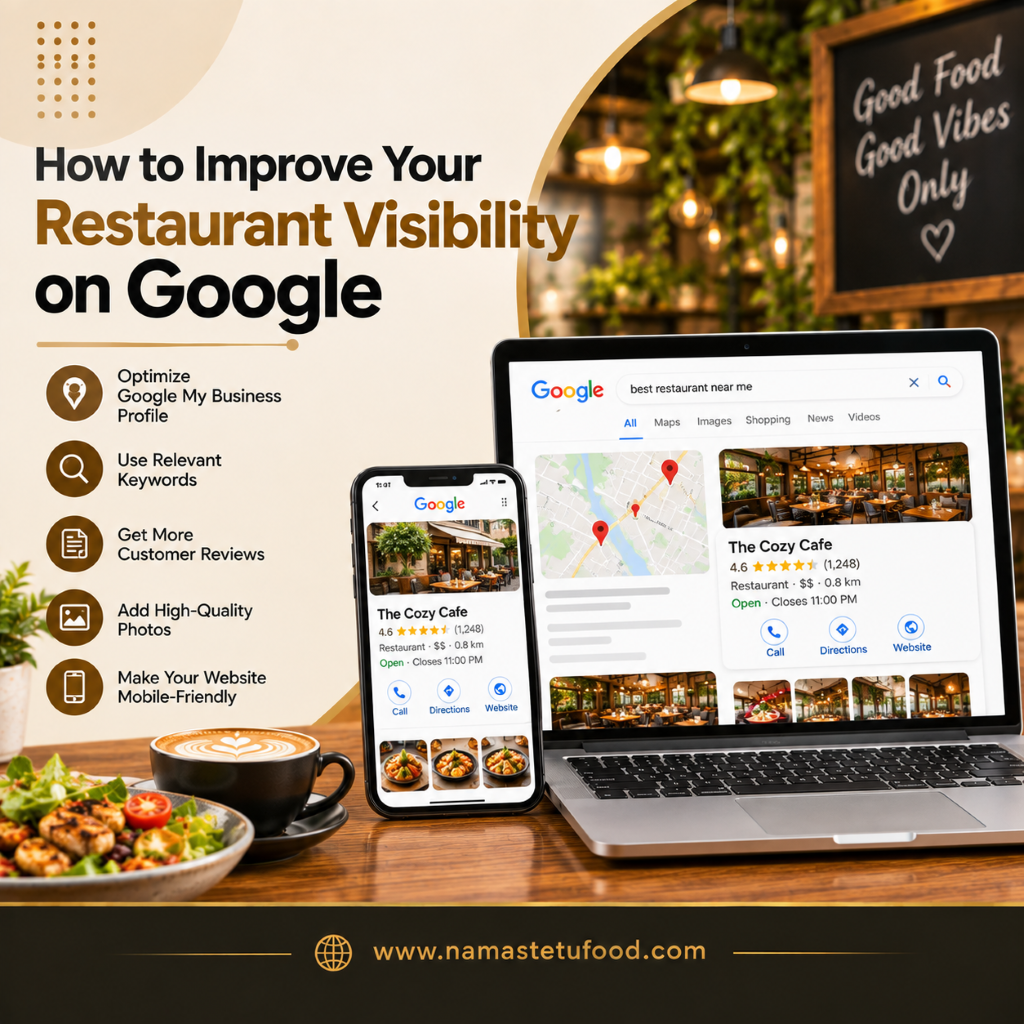
Digital marketing covers a wider range of activities than most owners initially assume, going well beyond just posting on Instagram occasionally. It includes your Google Business Profile, your website, paid ads, SEO, and consistent social media content, all working toward the same goal.
Each of these pieces plays a different role, and understanding how they connect is often the real starting point for meaningful growth. A business that only invests in ads, for instance, often sees a short burst of orders that fades quickly, while one that builds SEO and reviews alongside those ads tends to see steadier, more predictable demand month after month.
How to Reach Customers Beyond Word of Mouth
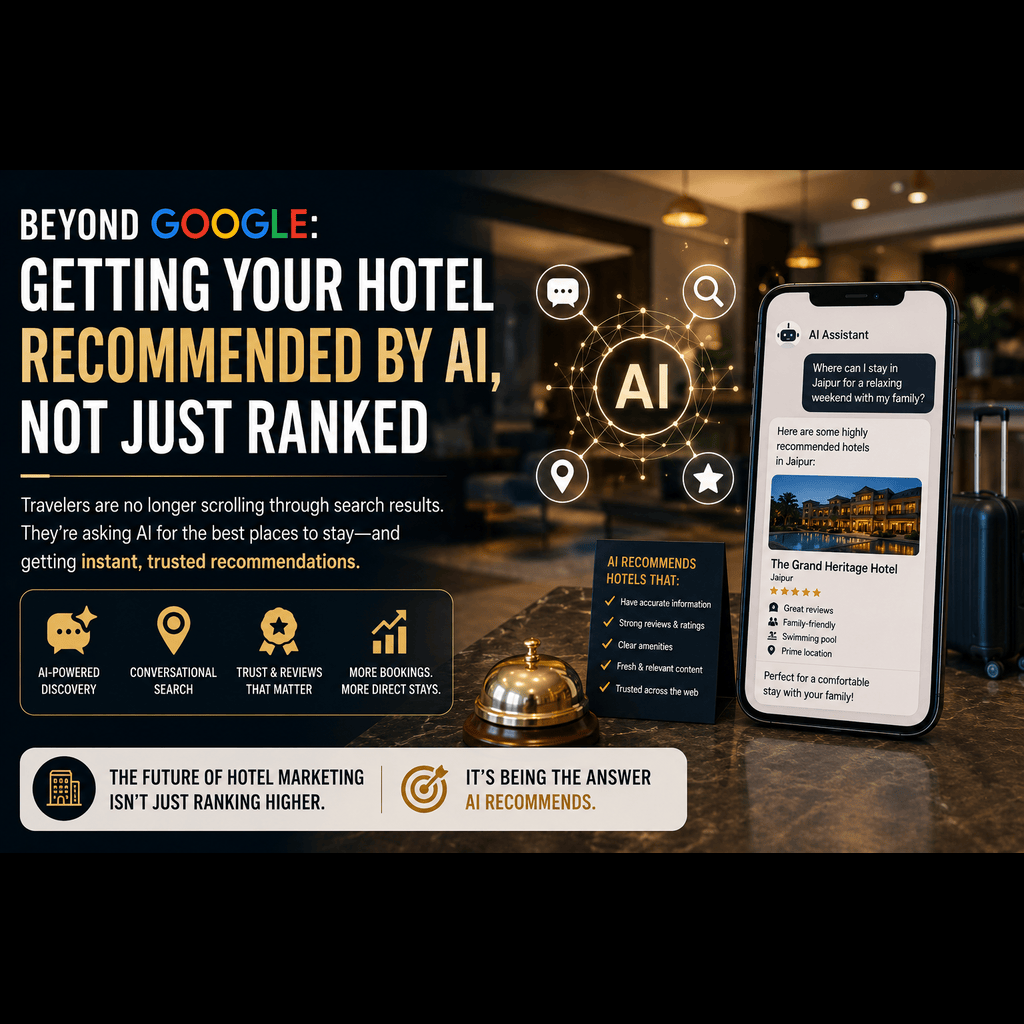
Word of mouth alone only reaches people already connected to your existing customers, which naturally limits how far a business can grow. Digital marketing helps food businesses break past that ceiling by putting them in front of people actively searching for food nearby who have never heard of them before.
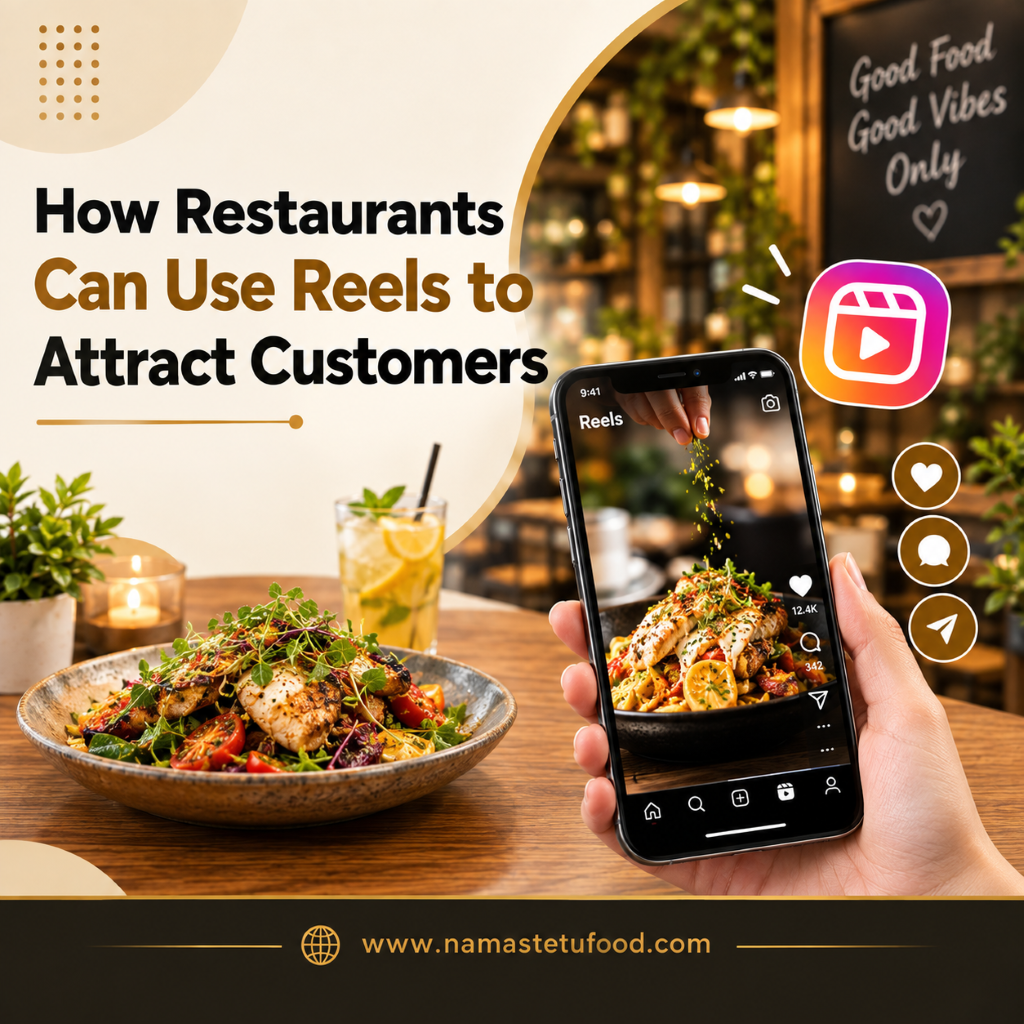
A single well-optimized Google listing or a food video that performs well can introduce a business to hundreds of new people in a way traditional word of mouth simply cannot match.
Why Reviews and Consistency Matter More Than Occasional Discounts
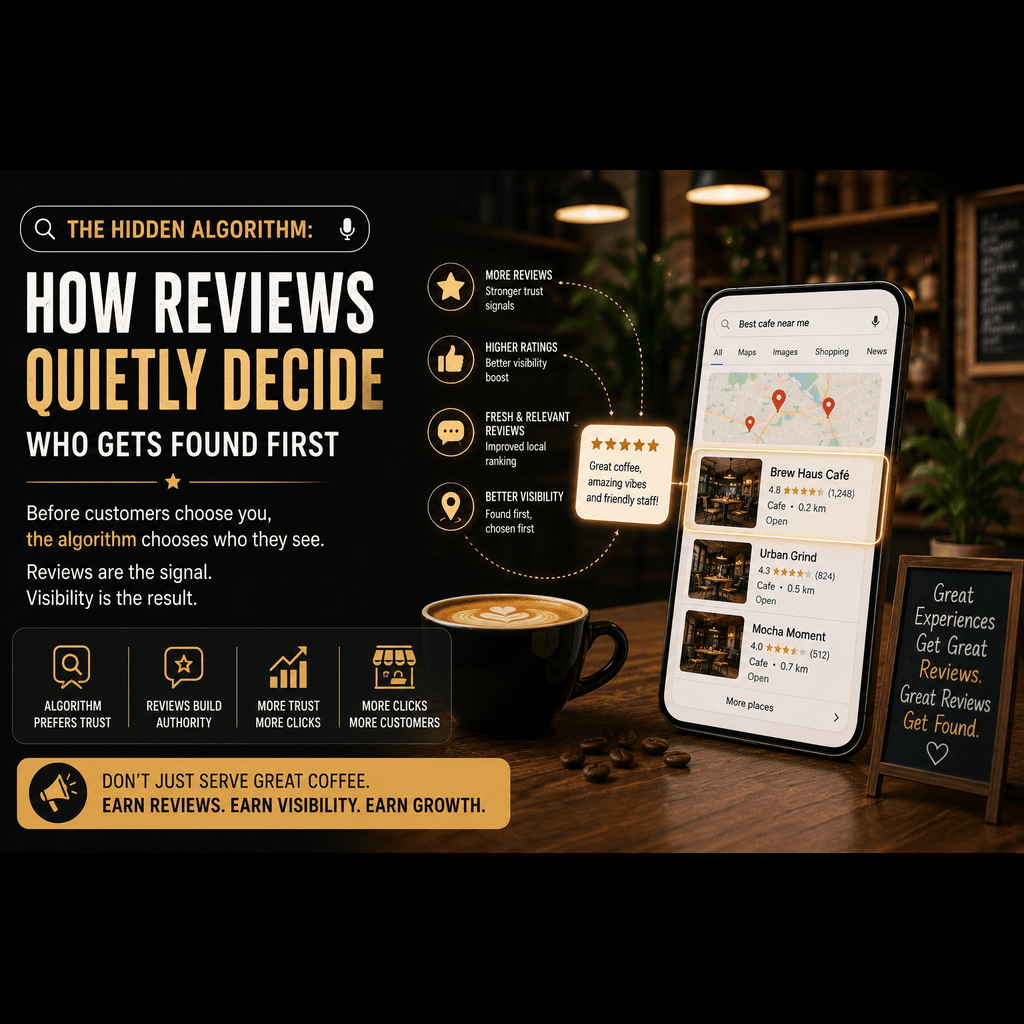
Trust plays a bigger role in a customer’s decision than most owners realize, especially when choosing between two unfamiliar options nearby. Real reviews, consistent posting, and honest photos build this kind of trust far more effectively than occasional, heavily polished promotional content.
A few things consistently build this trust over time:
- Genuine customer reviews, both positive and constructive, addressed openly.
- Regular photos and videos that reflect what customers actually receive.
- Quick, honest responses to questions and comments online.
- Steady posting instead of long gaps followed by sudden bursts of activity.
Businesses that skip this and rely only on discounts to attract customers often find those customers do not return once the offer ends, since no real trust was built in the first place.
Is SEO Actually Worth It for a Small Food Business?
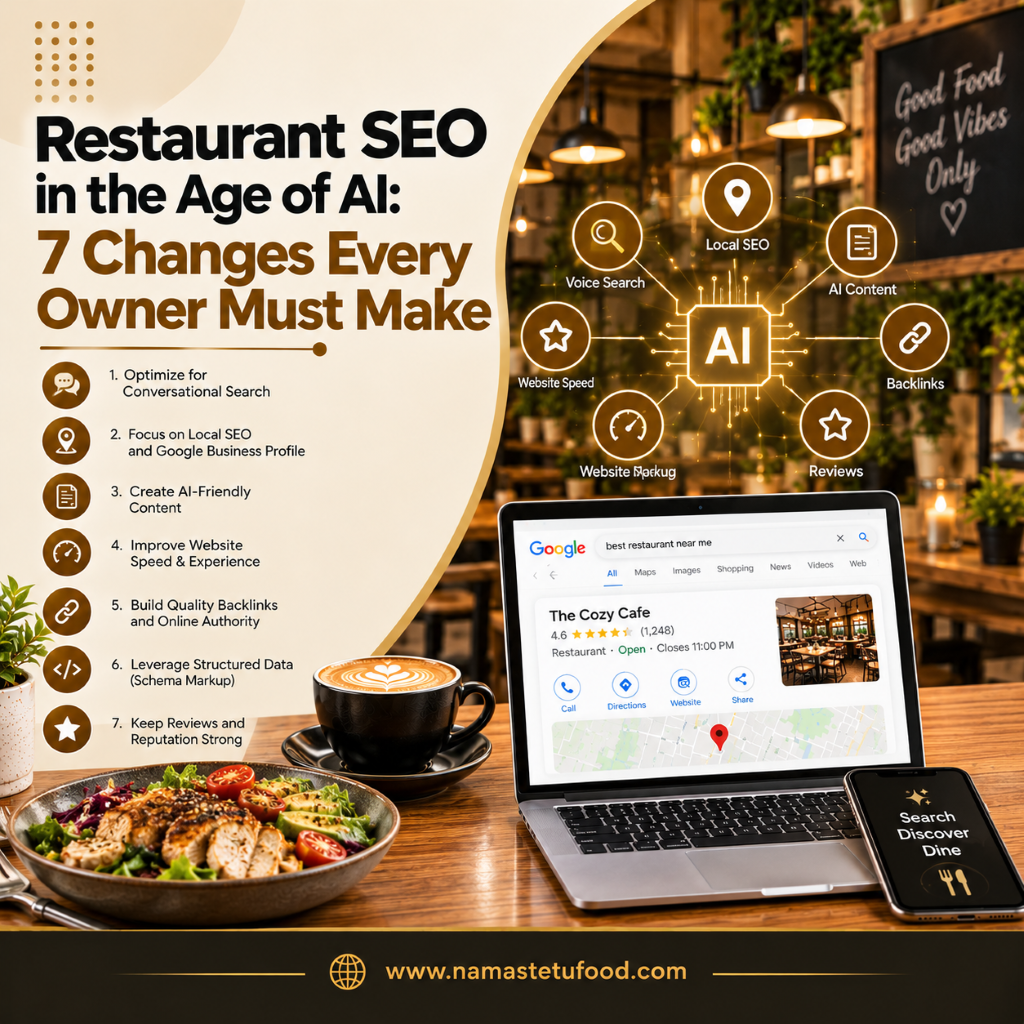
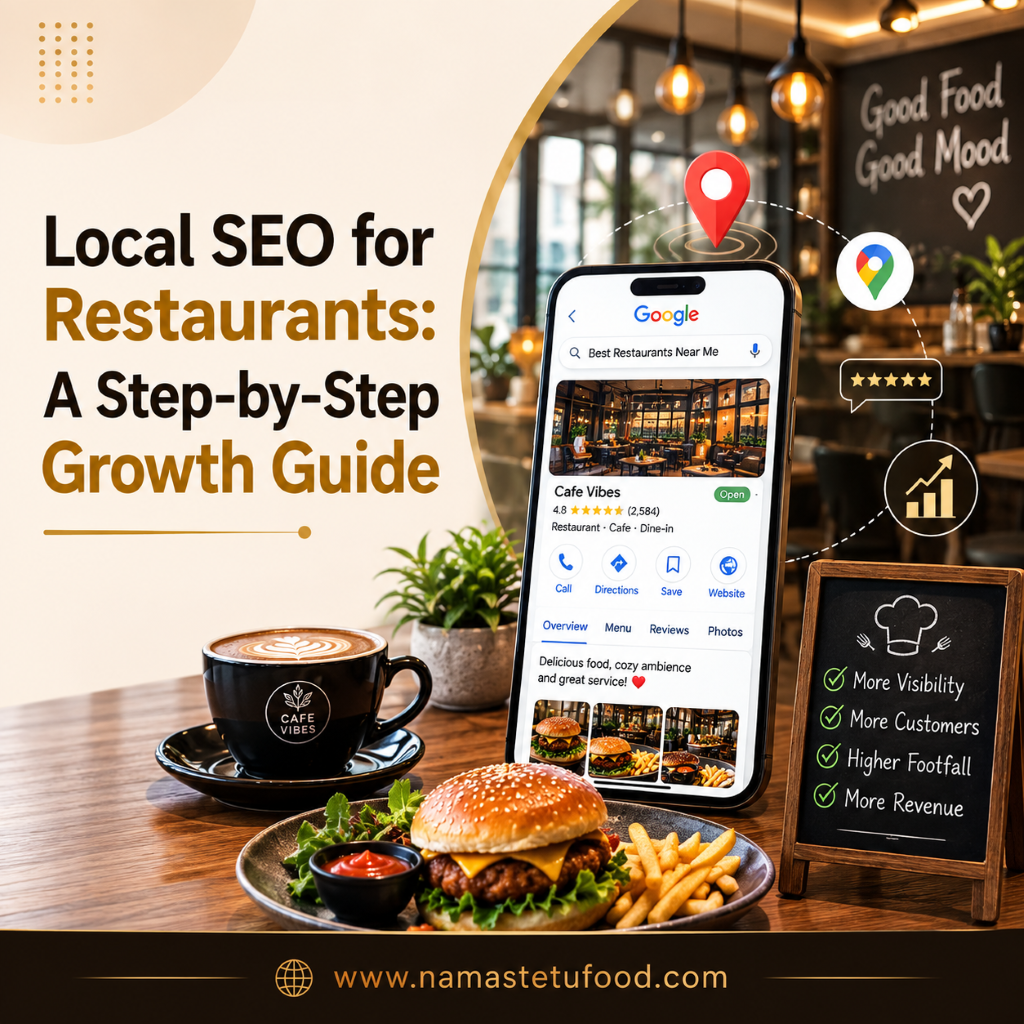
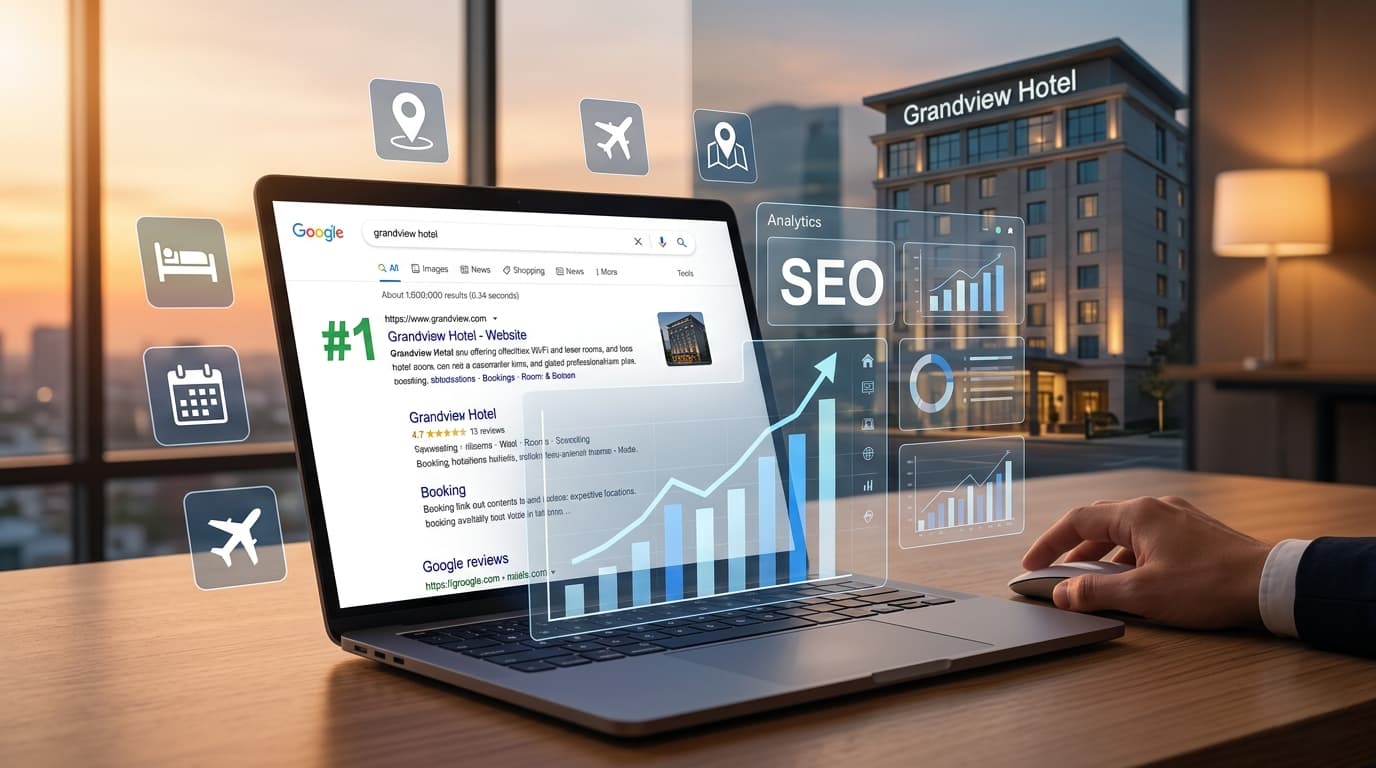
Paid ads bring in attention quickly, but that attention disappears the moment spending stops. SEO services for food business owners work differently, building visibility that keeps working steadily in the background, long after the initial setup is complete.
This is part of why SEO is often described as a long-term investment rather than a quick fix, since the effort put in early tends to keep paying off for months afterward, without needing constant fresh spending.
What Makes Food Marketing Different From Other Industries
Marketing a food business is genuinely different from marketing most other products, since decisions are often driven by appetite, mood, and visual appeal rather than pure logic. A food and beverage marketing agency understands this distinction and builds content specifically around it, rather than applying a generic template meant for any business.
This kind of specialization tends to show up clearly in the results, since food-specific content usually performs better than generic marketing borrowed from unrelated industries.
Should a Food Business Combine SEO, Ads, and Social Media?
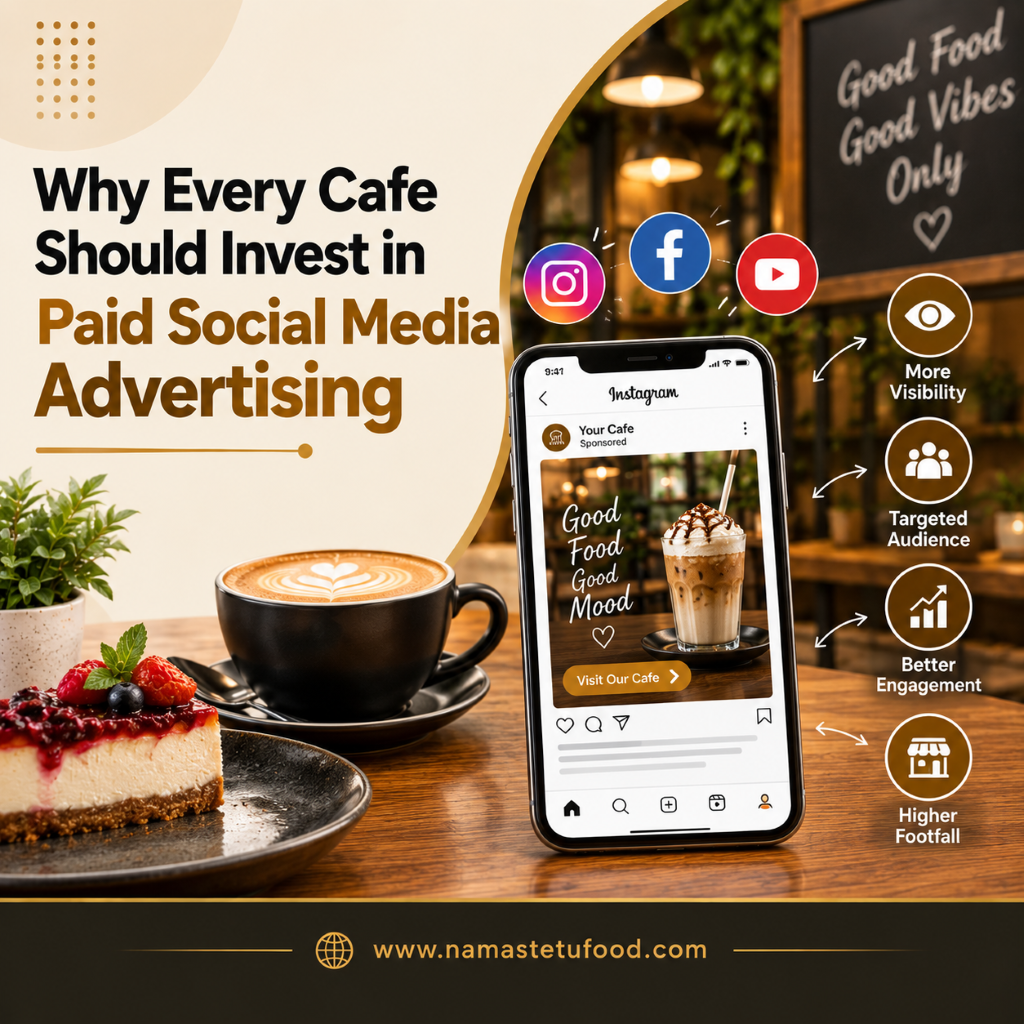
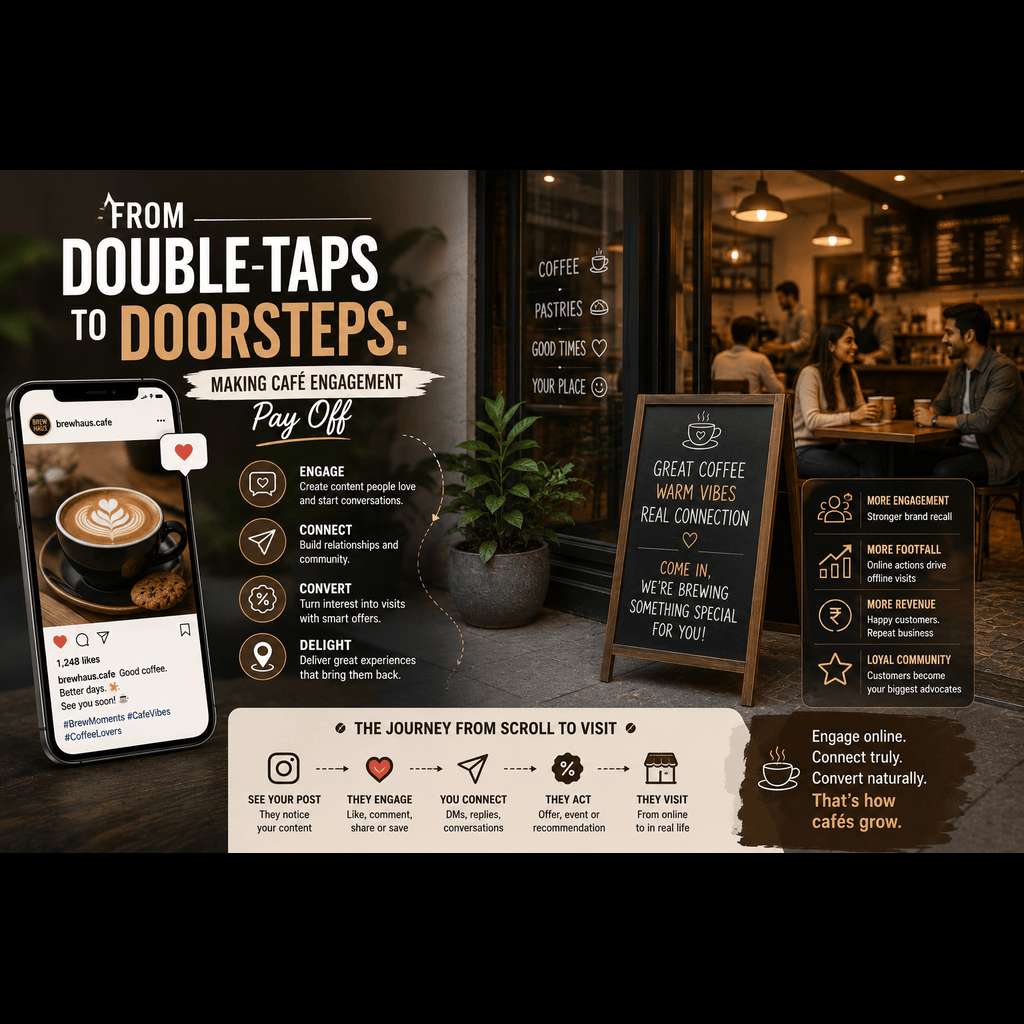
Relying on just one channel, whether that is social media alone or ads alone, tends to produce slower, less consistent results. Strong digital marketing for food business growth usually combines SEO, social media, and paid ads together, so each channel supports and strengthens the others.
For example, social media marketing for food business owners often works best when it showcases real customer reactions, since this kind of content directly supports SEO by encouraging genuine reviews, while SEO builds the steady visibility that ads alone cannot sustain over time.
When Does It Make Sense to Hire a Marketing Team?
Managing every part of digital marketing alone, while also running daily operations, is genuinely difficult for most small food business owners. This is exactly where food marketing companies step in, handling strategy, content, and execution so the owner can focus on the actual food and service.
A dedicated team also tends to catch small but important details, like a broken booking link or slow-loading images, that an owner juggling ten different responsibilities might easily miss. Beyond execution, a good team also tracks what is actually working, adjusting the strategy based on real numbers rather than guesswork alone.
Why Local Expertise Matters for Food Businesses in Indore
Working with a food digital marketing agency in Indore brings a genuine advantage that generic, big-city agencies often cannot match, mainly local familiarity. Understanding Indore’s specific food culture, local festivals, and neighborhood search habits tends to shape stronger, more relevant content than a copy-paste national strategy.
This local knowledge often shows up in small but meaningful ways, like knowing which areas search heavily for street food versus which ones search more for fine dining.
Mistakes That Quietly Slow Down Growth
Even businesses that invest in digital marketing sometimes see weak results, usually because of a few avoidable habits rather than the strategy itself being wrong.
- Posting inconsistently, with long gaps between updates.
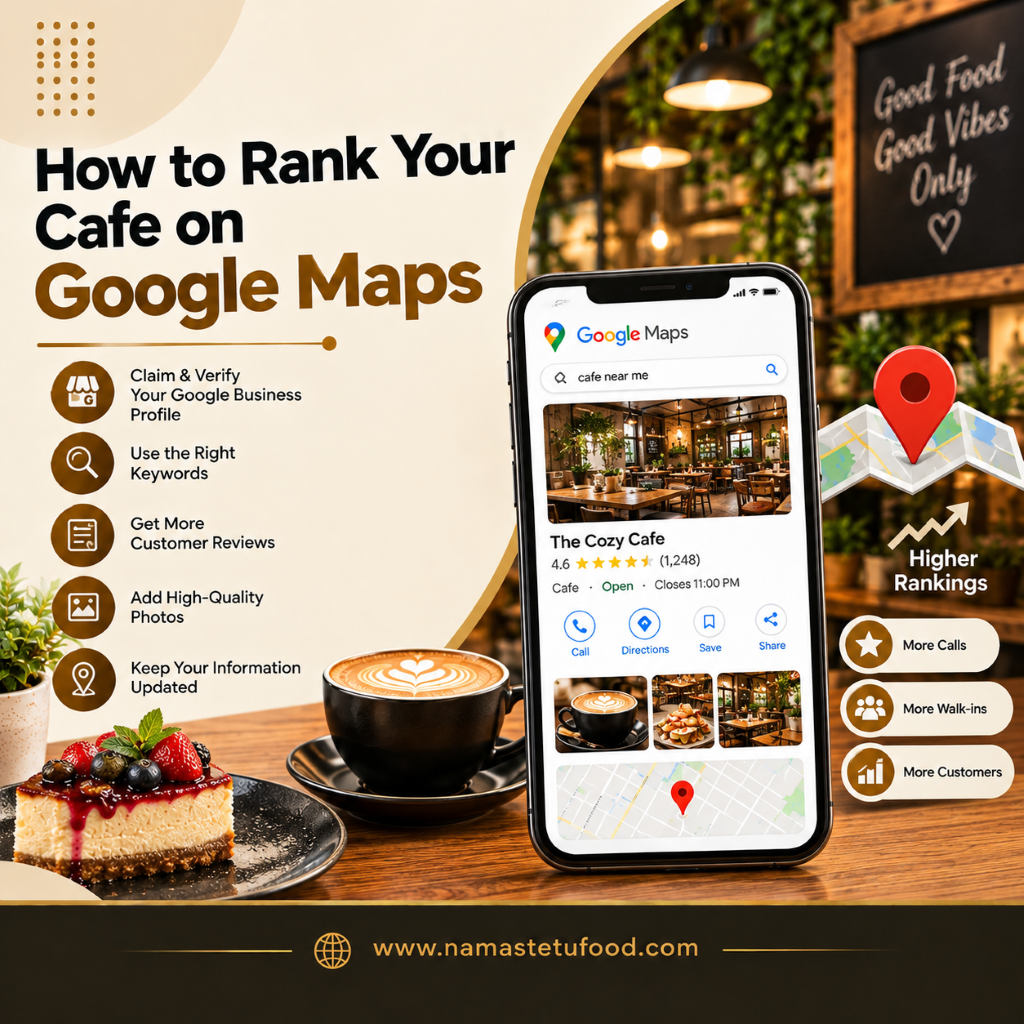
- Ignoring the Google Business Profile after the initial setup.
- Focusing only on follower count instead of actual orders and visits.
- Skipping SEO entirely in favor of ads alone.
- Copying competitor content without adapting it to fit their own brand.
Frequently Asked Questions
How does digital marketing help food businesses grow faster?
Digital marketing helps food businesses grow faster by increasing visibility to nearby customers, building trust through reviews and content, and creating steady demand instead of relying only on foot traffic.
How much should a small food business spend on digital marketing?
Most small food businesses start with a modest monthly budget covering basic SEO, a few ads, and consistent social media, then increase spending as results start showing.
Is SEO or social media more important for food business growth?
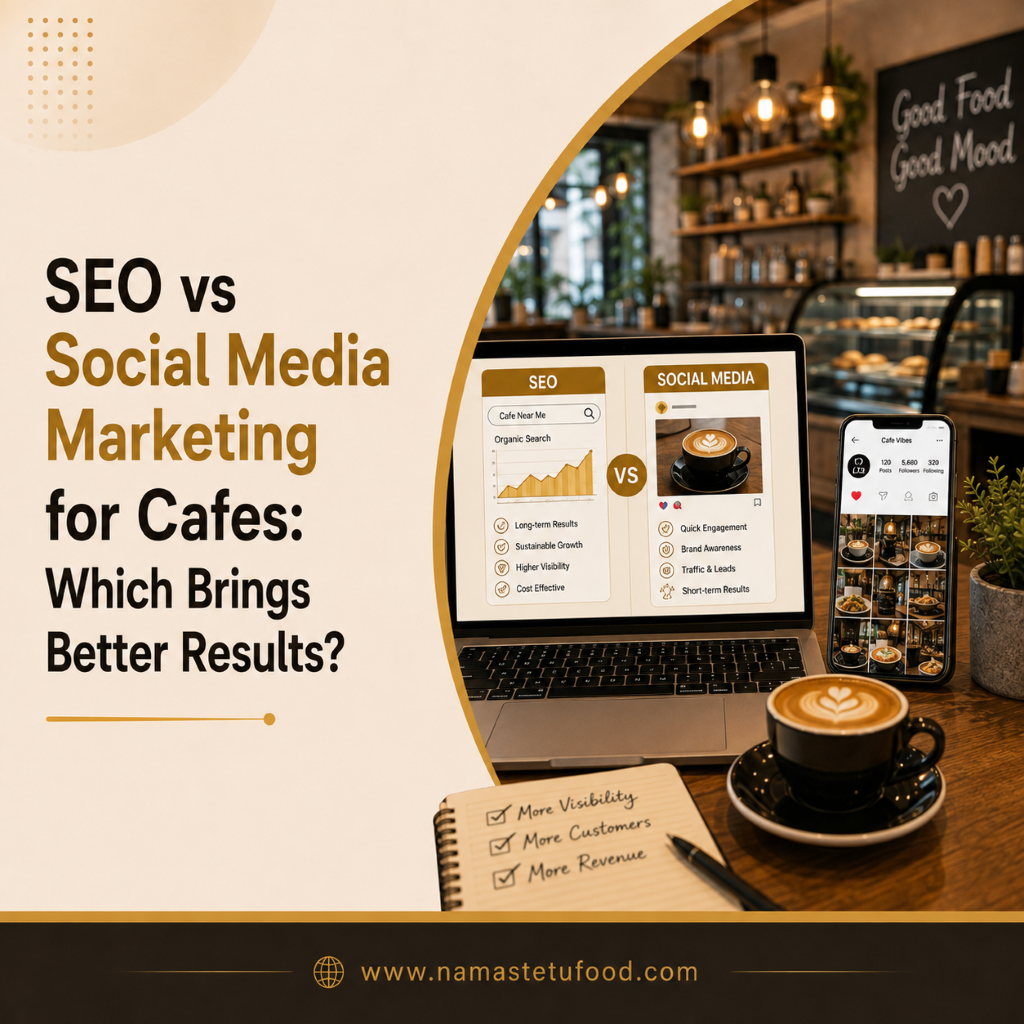
Both matter, but SEO tends to build longer-lasting visibility, while social media creates faster engagement and helps build a recognizable brand identity.
How long does it take to see results from digital marketing?
Basic improvements, like a completed Google listing, can help within weeks, while SEO and broader visibility typically take two to four months to show stronger results.
Can a small food business handle digital marketing without hiring help?
Yes, especially the basics, though many businesses eventually work with a dedicated team once they need consistent execution across multiple channels at once.
Conclusion
Closing the gap between having great food and actually being found by the people looking for it is really what digital marketing does for food businesses. Combining SEO, social media, reviews, and consistent content tends to build the kind of steady, compounding growth that no single tactic can achieve on its own.
Wondering why your food business isn’t growing as fast as it should? Get in touch with Namastetu Food for a free growth review, and find out exactly what is holding your business back.