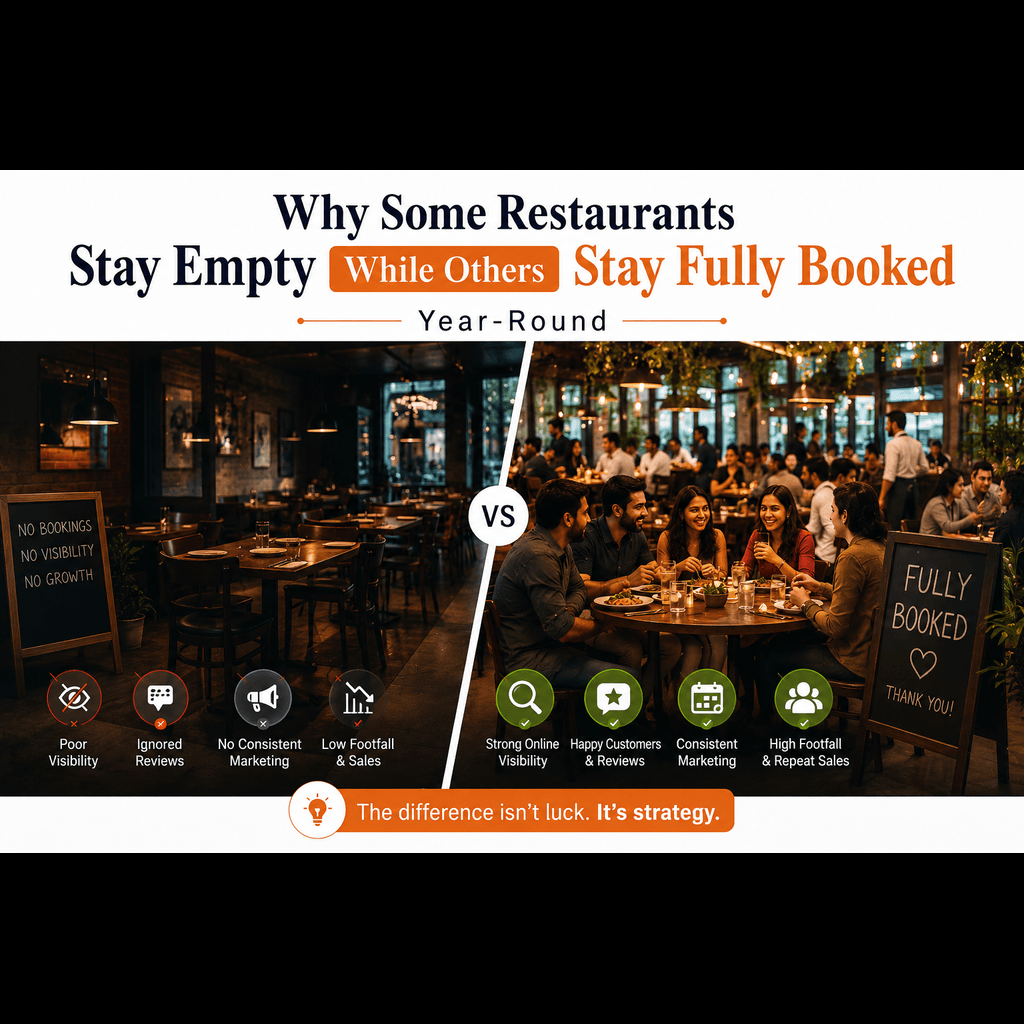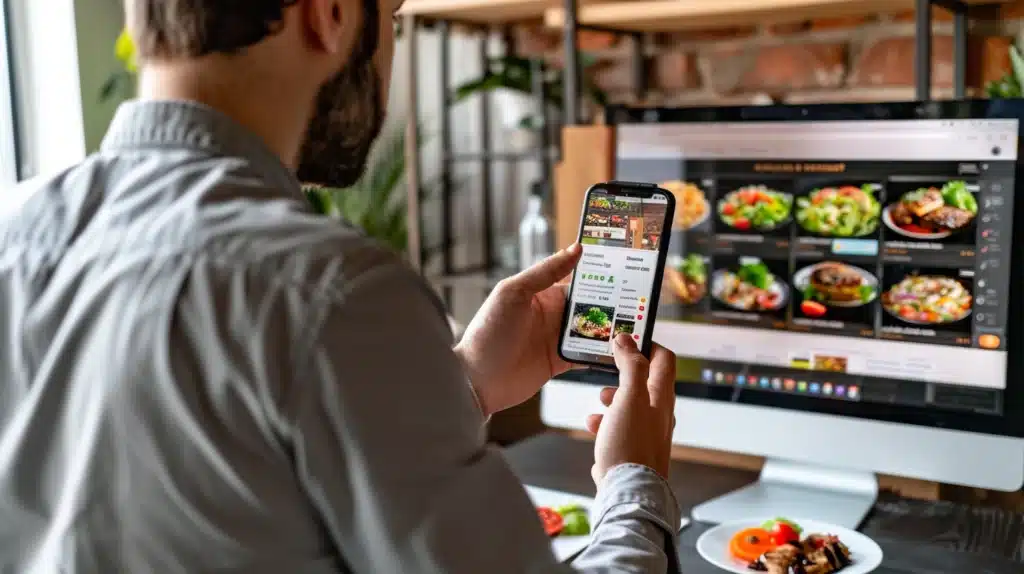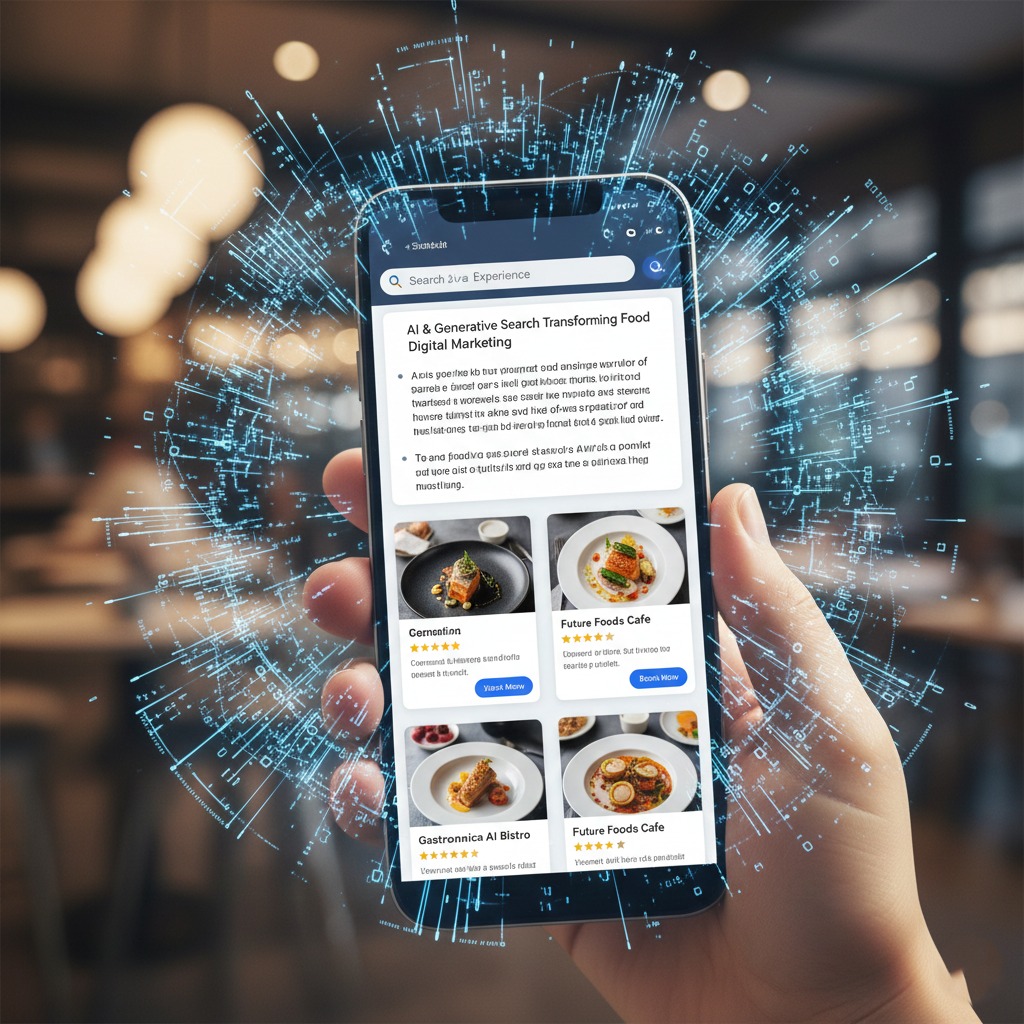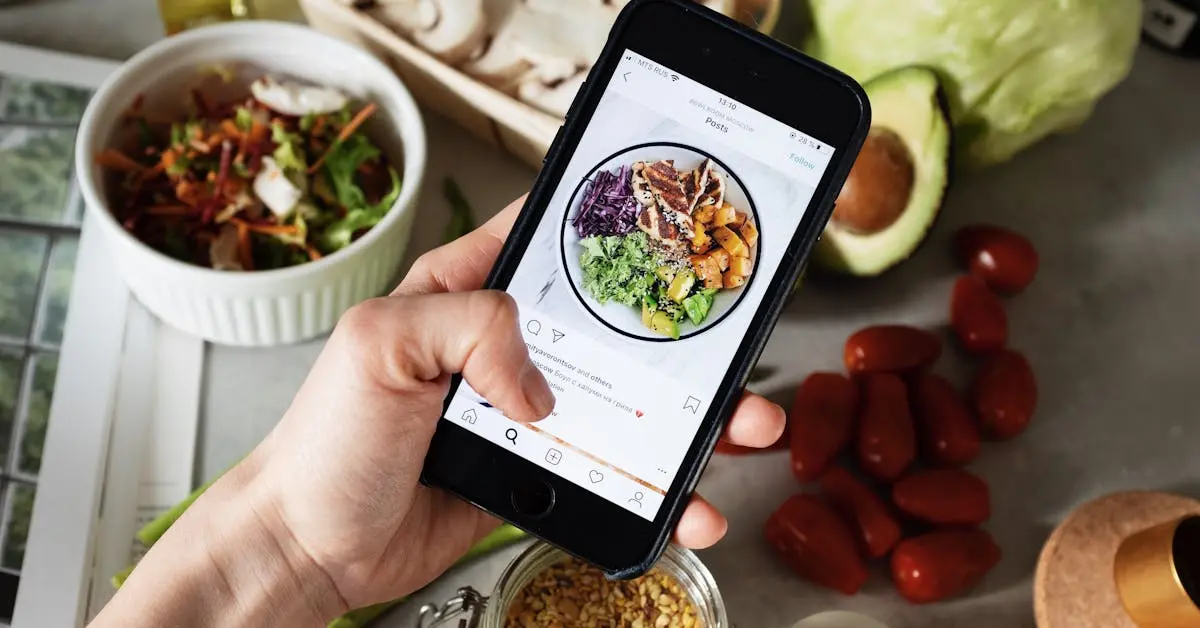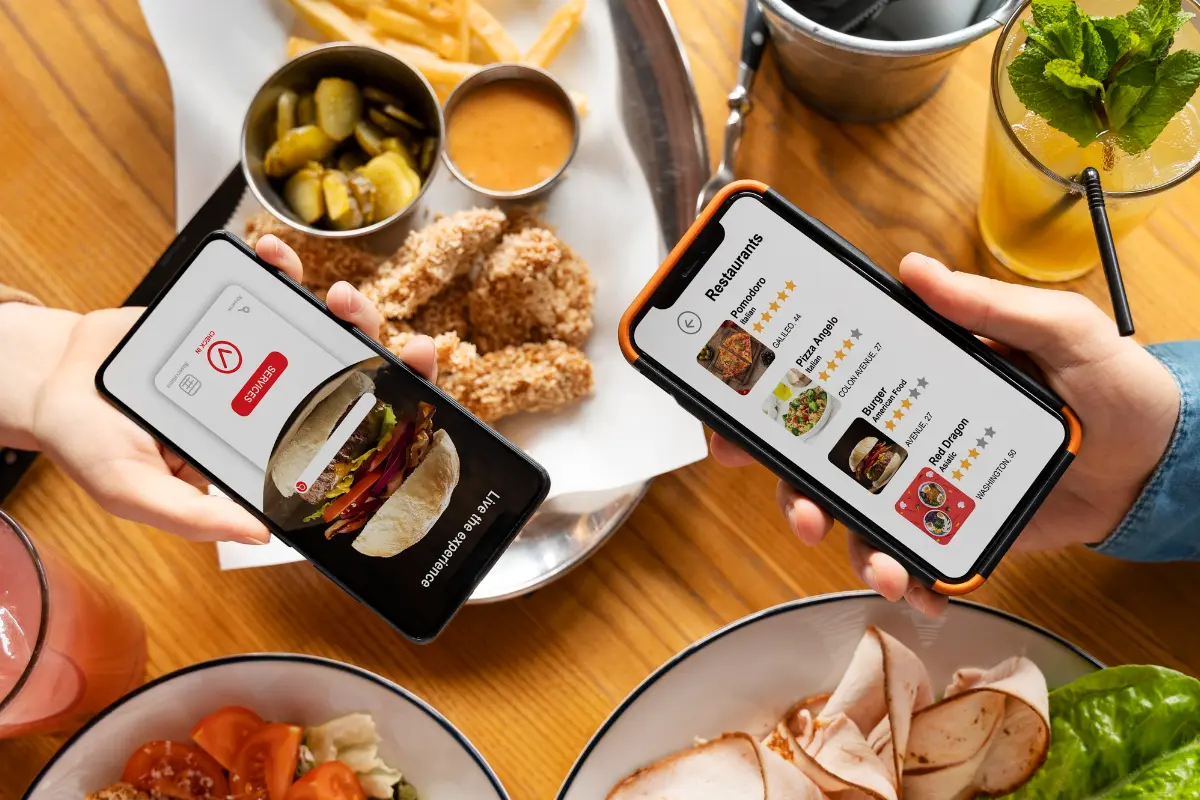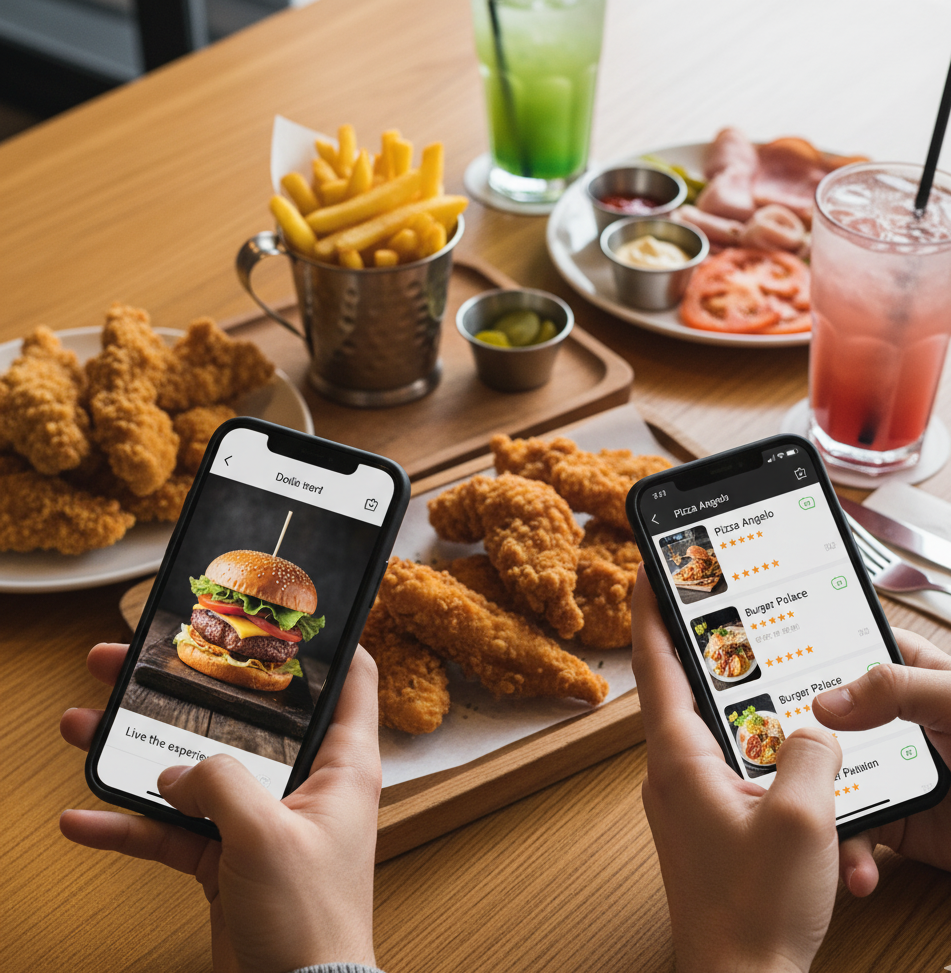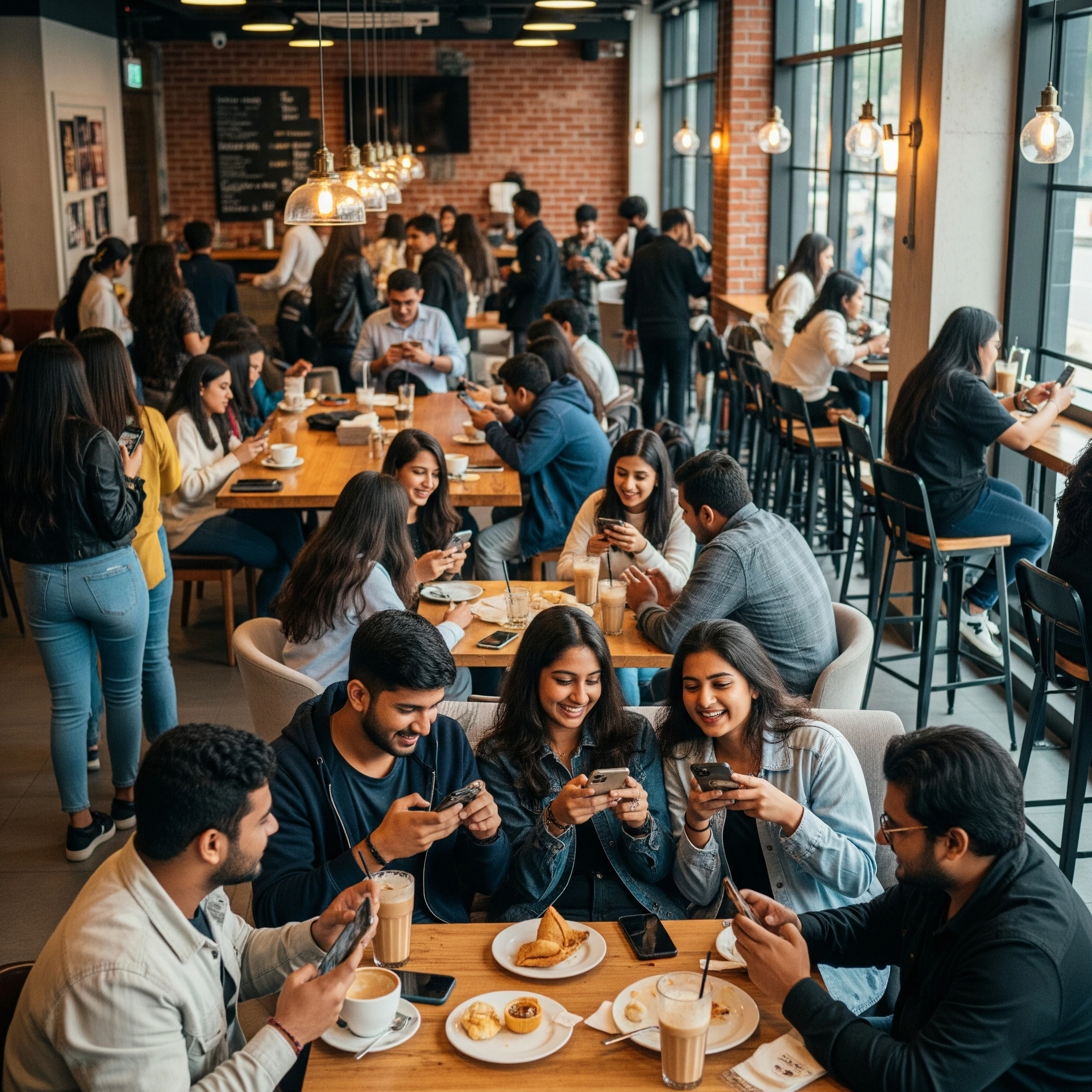
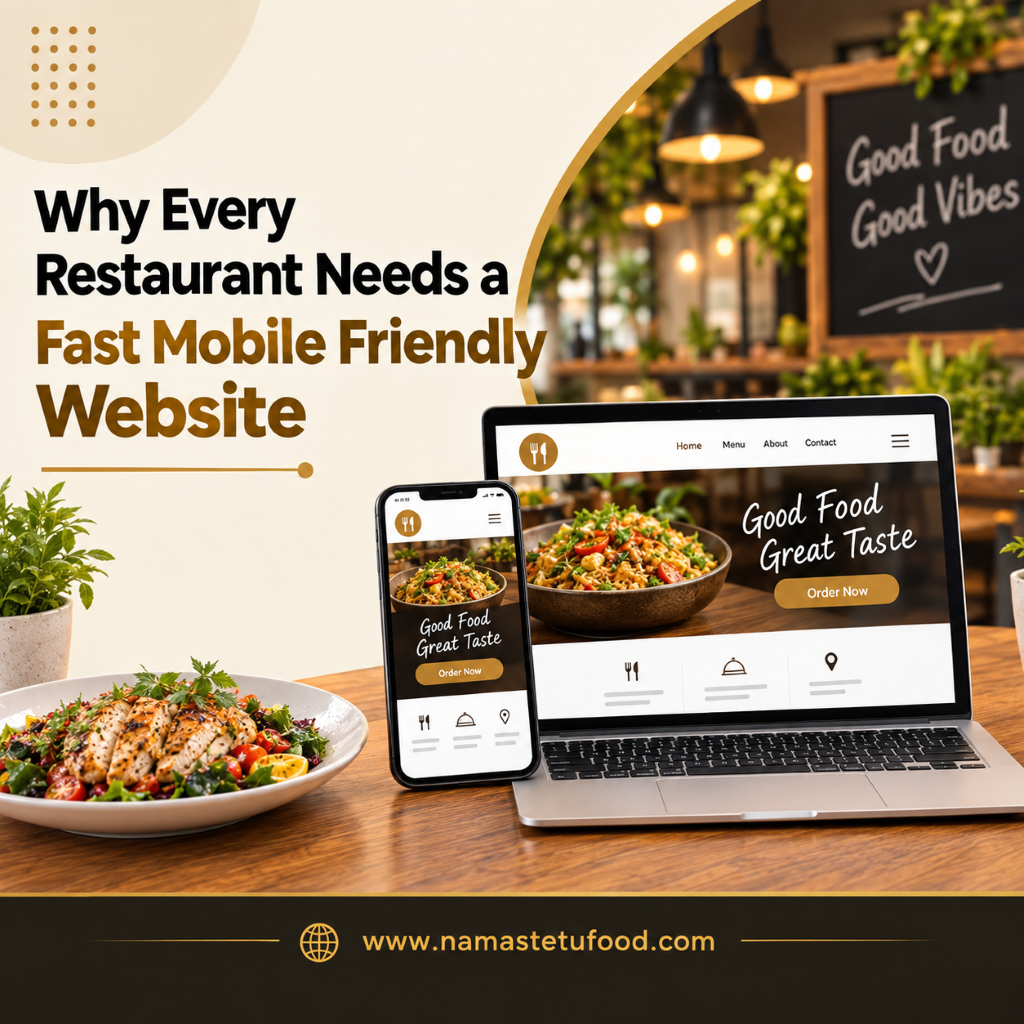
A customer standing outside deciding whether to walk in often checks the menu on their phone first, and if that page takes too long to load, they simply move on to the next option. This everyday moment explains exactly why a restaurant needs a fast mobile friendly website today, since a slow or clunky site quietly costs orders that never even get the chance to happen. Most owners focus heavily on food and service, while their website quietly turns away customers before they ever place an order.
At Namastetu Food, we have tested the mobile loading speed of several restaurant websites across Indore, and the pattern is almost always the same: the slowest sites tend to belong to restaurants that assumed their website was fine simply because it looked okay on a desktop screen. Checking a site only on a laptop, while the vast majority of actual visitors browse on their phones, often hides exactly the kind of problems costing a restaurant real customers.
How Customers Actually Browse a Restaurant’s Website Today
Most people now check a restaurant’s menu, hours, and location directly from their phone, often while already deciding between two or three nearby options. A desktop-first website that looks cramped or slow on mobile puts a restaurant at an immediate disadvantage in this fast, on-the-go decision moment.
This shift in browsing behavior means mobile experience is no longer a secondary concern, it has quietly become the primary way most customers interact with a restaurant online.
What Happens When a Website Loads Too Slowly
Every extra second a page takes to load increases the chance a visitor leaves before ever seeing the menu, according to hospitality marketing research on booking conversions. A restaurant losing customers this way rarely realizes it, since these visitors simply vanish without ever calling or reviewing the business.
This quiet loss tends to add up significantly over months, especially for restaurants relying heavily on walk-in decisions made right outside their doors.
Why a Restaurant Needs a Fast Mobile Friendly Website More Than Ever
Good food and friendly service can only work their magic once a customer actually decides to walk in, and that decision increasingly starts with a quick phone check beforehand. A restaurant needs a fast mobile friendly website precisely because this first digital impression often happens before any human interaction takes place at all.
Restaurants that treat their website as a minor detail, rather than an extension of their actual dining experience, tend to lose customers they never even knew they had a chance with.
What Makes a Responsive Restaurant Website Different
A responsive restaurant website automatically adjusts its layout, text size, and images to fit whatever screen it is being viewed on, whether that is a phone, tablet, or desktop. This is different from an older, fixed website that simply shrinks everything down, often making text unreadable and buttons hard to tap accurately.
Getting this right matters especially for menus with photos, since a responsive layout keeps food images clear and appealing rather than distorted or oddly cropped on smaller screens.
Choosing the Right Restaurant Website Design Company
Not every website builder understands what a restaurant specifically needs, which is why working with a proper restaurant website design company tends to produce noticeably better results than a generic template. A specialized team understands menu layout, online ordering flow, and food photography in ways a general web designer often does not.
We have seen this difference firsthand, where switching from a generic template to a properly designed restaurant site improved one client’s mobile load time by more than half within a single redesign.
Food Website Design: What Actually Converts Visitors Into Orders
Good food website design goes beyond looking visually appealing, focusing instead on how easily a visitor can find the menu, check prices, and place an order without frustration. Clear navigation, prominent contact buttons, and fast-loading food photos tend to make the biggest practical difference in whether a visit turns into an actual order.
A beautiful website that takes too long to load or confuses visitors with unclear navigation still fails at its main job, regardless of how good it looks on a designer’s portfolio.
Restaurant Web Development in Indore: A Local Perspective
Understanding local internet speeds, common device types, and how customers in this specific market typically search and browse tends to matter more than owners initially expect. This is exactly the focus behind proper restaurant web development in Indore, since many customers here rely on mid-range phones and variable mobile networks, making genuine speed optimization even more important than it might be in other markets.
This local awareness often shapes practical decisions, like keeping image sizes light and avoiding heavy, unnecessary design elements that slow down loading on less powerful devices.
How a Fast Website Fits Into a Bigger Marketing Plan
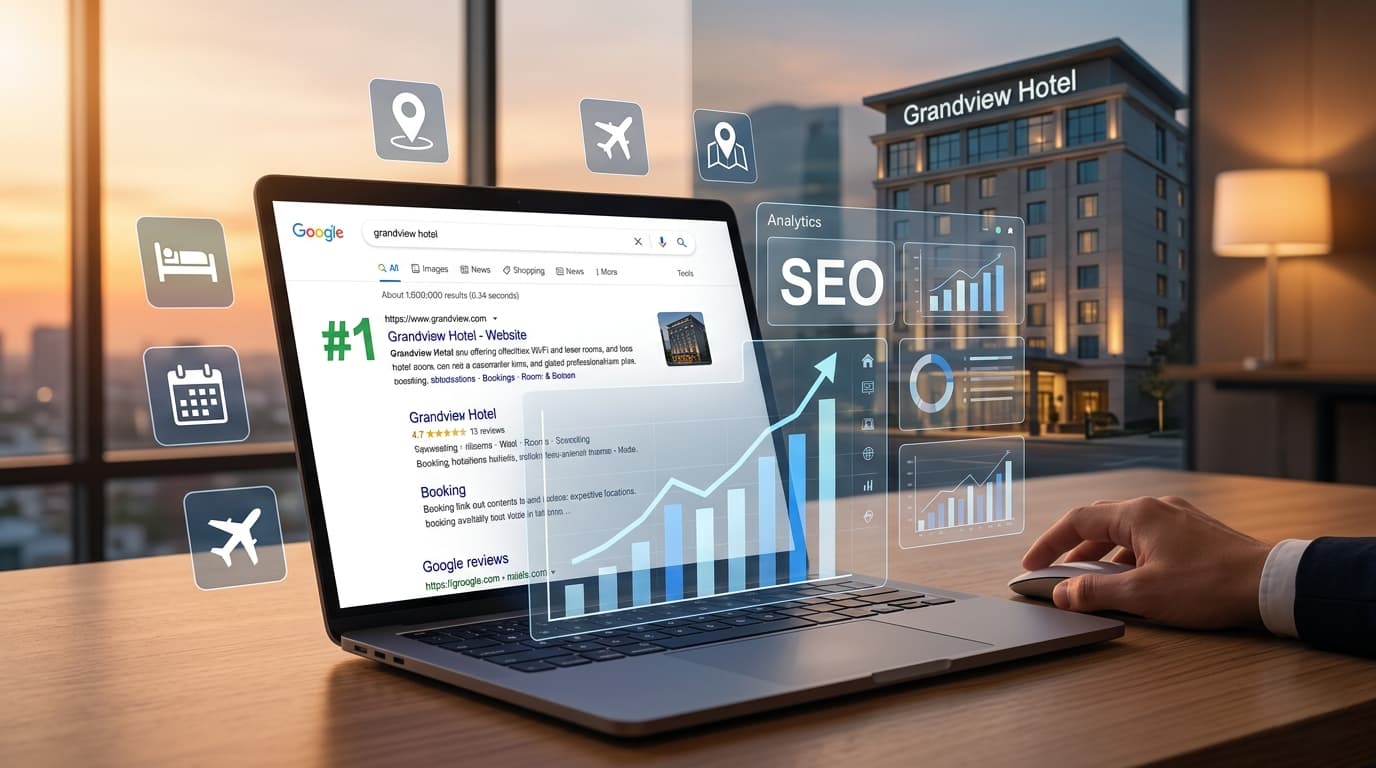
A fast, mobile-friendly website works best as the foundation everything else builds on, rather than a standalone fix. Strong digital marketing for restaurants strategies typically drive traffic toward the website through SEO, ads, and social media, meaning a slow site quietly wastes the results of all that other effort.
Spending on marketing to bring visitors to a website that then loses them due to slow loading is, in many ways, money spent working against itself.
What the Best Digital Marketing for Restaurants Looks Like Today
The best digital marketing for restaurants today treats the website as a core piece of the overall strategy, not an afterthought completed once and forgotten. This means regularly testing mobile speed, updating menu photos, and ensuring booking or ordering buttons remain easy to use as devices and customer habits evolve.
Restaurants that maintain this ongoing attention tend to convert a noticeably higher share of their online visitors into actual paying customers.
Common Website Mistakes Restaurants Make
Even restaurants that invest in a website sometimes see poor results, usually due to a few avoidable technical and design habits. Heavy, uncompressed images are one of the most common culprits, quietly slowing down load times without the owner ever realizing why.
- Using large, uncompressed photos that slow down mobile loading.
- Building a desktop-first design that looks broken on phones.
- Hiding the menu behind a PDF instead of a proper webpage.
- Making the phone number or booking button hard to find.
- Never testing the site on an actual phone before launching it.
Frequently Asked Questions About Restaurant Website Speed and Design
Why does a restaurant need a fast mobile friendly website?
A restaurant needs a fast mobile friendly website because most customers check menus and details on their phones, and slow loading pages cause visitors to leave before they ever see the menu or place an order.
How fast should a restaurant website load?
Most experts recommend aiming for a load time under three seconds on mobile, since conversion rates tend to drop noticeably with every additional second of delay.
What is the difference between a mobile-friendly and a responsive website?
A mobile-friendly site simply works on phones, while a responsive website automatically adjusts its layout and design to fit any screen size smoothly.
Should a restaurant hire a specialized website design company?
It helps significantly, since a restaurant website design company understands menu layout, online ordering, and food photography in ways generic web builders often miss.
Can a slow website really affect a restaurant’s SEO ranking?
Yes, site speed is a known ranking factor, meaning a slow restaurant website can hurt visibility in search results in addition to losing visitors directly.
Conclusion
A restaurant needs a fast mobile friendly website because that is often where the very first impression happens, well before a customer ever tastes the food or speaks with staff. Fixing slow load times, confusing navigation, or a poorly designed mobile layout tends to recover customers a restaurant did not even realize it was losing.
Not sure how your restaurant’s website actually performs on mobile? Connect with our team at Namastetu Food and find out exactly where visitors are dropping off before they ever place an order.