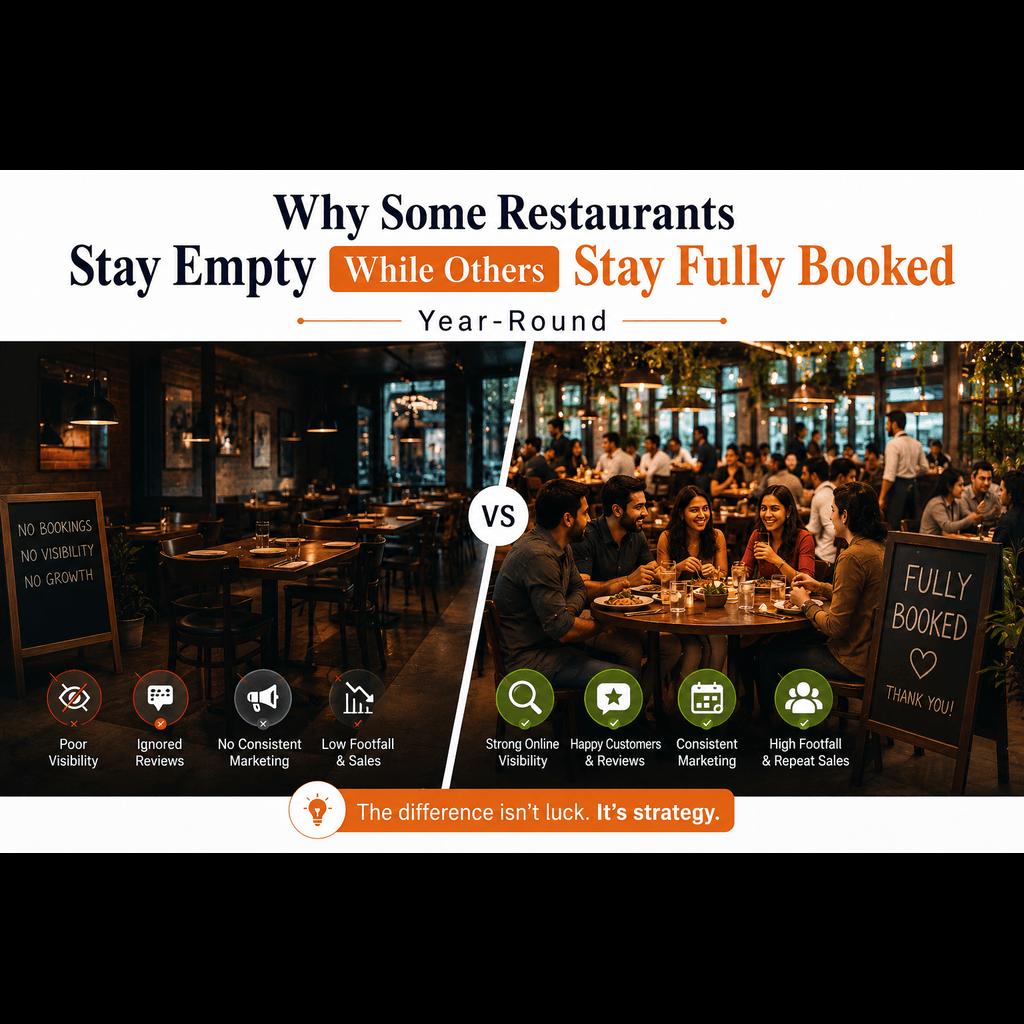
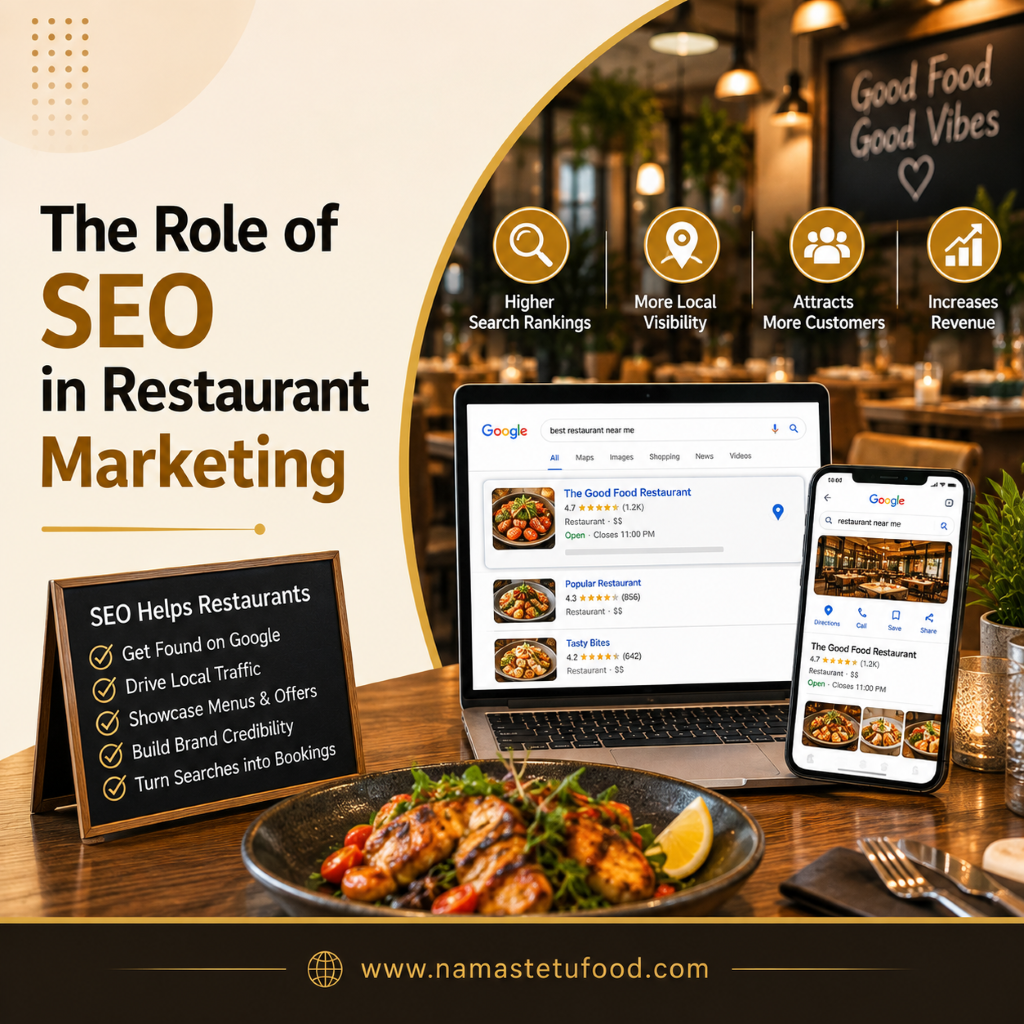
A restaurant with excellent food can still sit half empty if nobody can actually find it on Google. This is exactly where the role of SEO in restaurant marketing becomes clear, since most customers today search online before they ever decide where to eat. Understanding how this works can be the difference between a restaurant that stays busy and one that depends purely on luck and location.
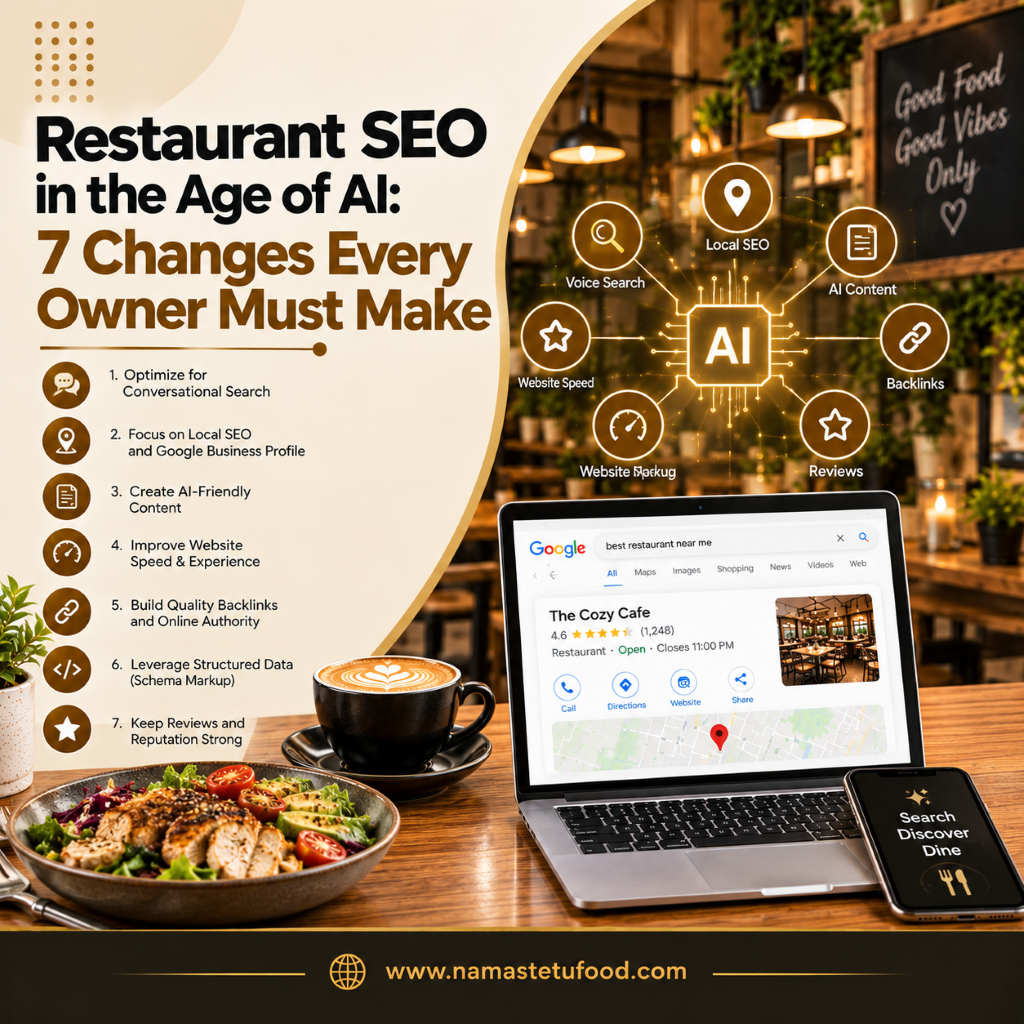
Many owners assume good food and a decent location will eventually attract enough customers on their own. In reality, visibility online now shapes that outcome just as much as the food itself, especially in a city with dozens of similar options within a short drive. At Namastetu Food, we have audited enough restaurant listings in Indore to notice a pattern: the restaurants ranking highest are rarely the ones with the biggest ad budgets, but the ones that got their basic SEO right early and kept it consistent.
Why Customers Turn to Google Before Choosing Where to Eat
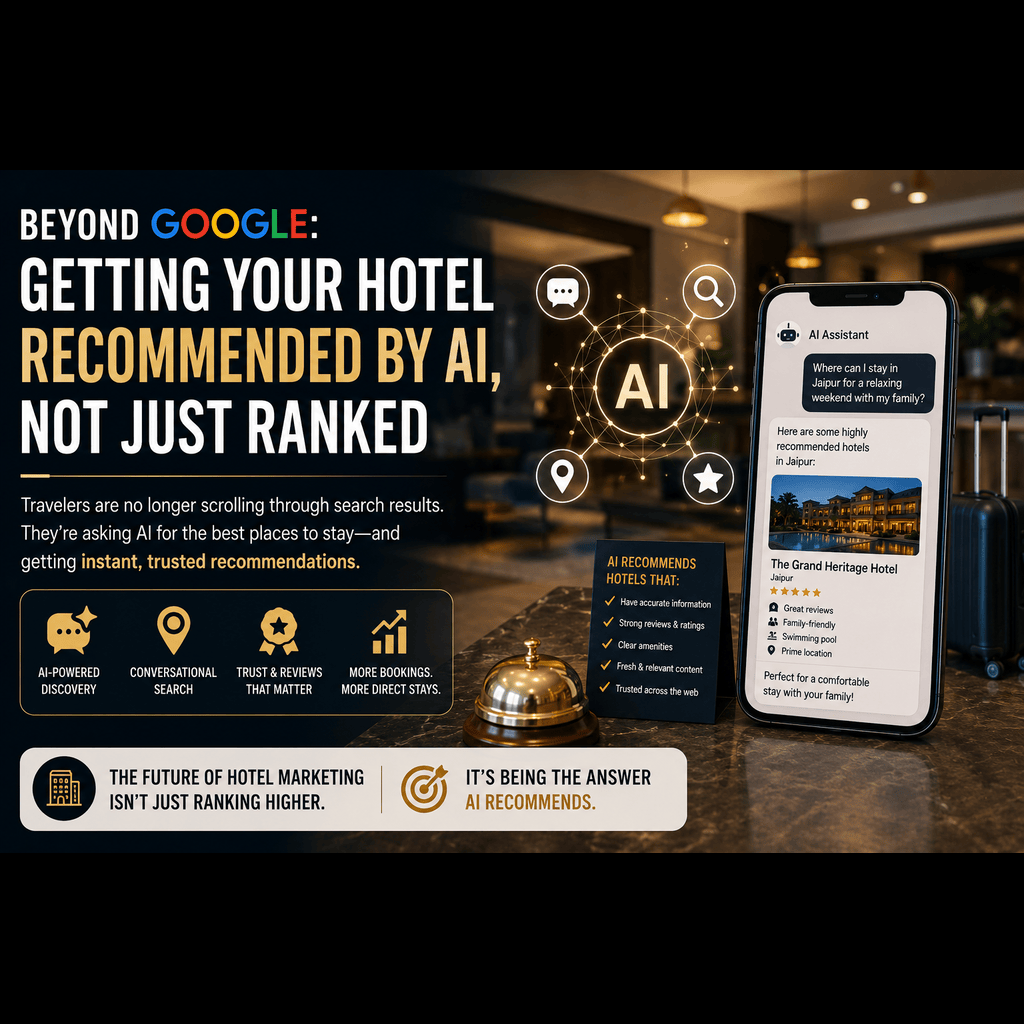
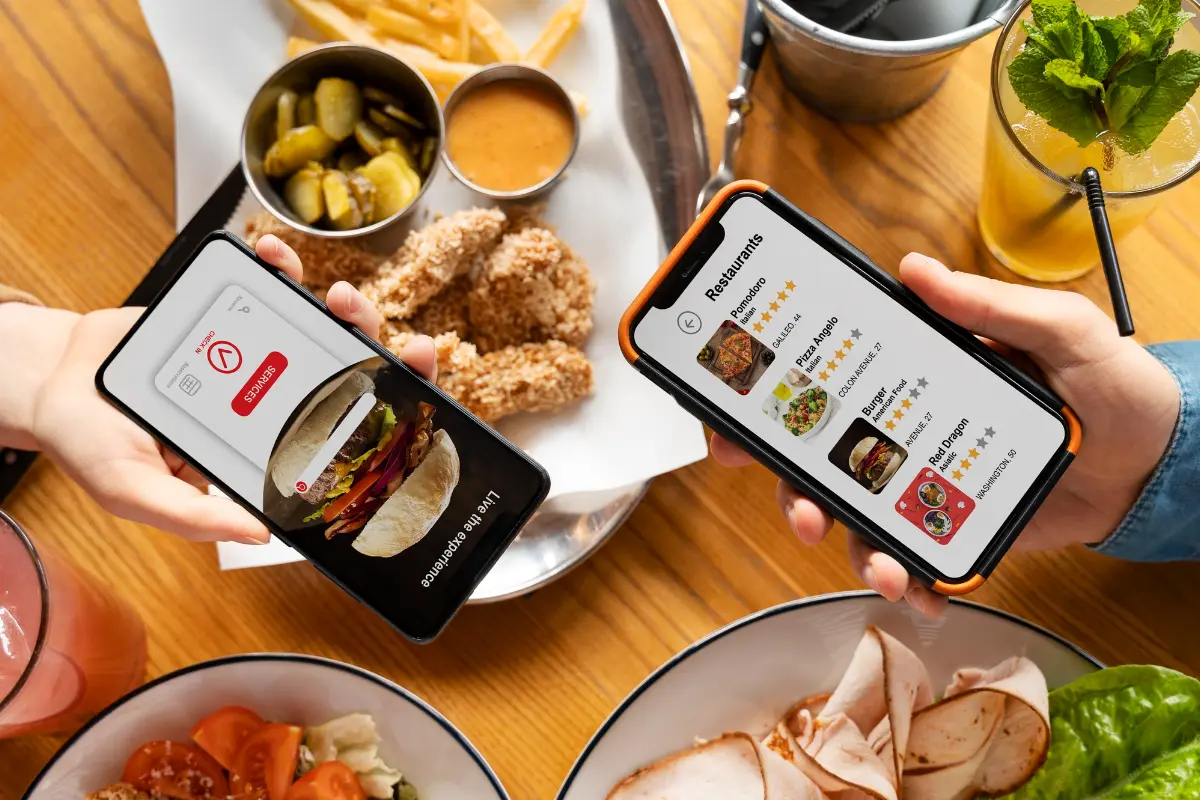
Search engines have quietly become the first stop for most people deciding where to eat, replacing what used to be word of mouth or simply walking past a place. More people now rely on their phones to make quick decisions, checking ratings, photos, and distance within seconds of feeling hungry, often while still deciding between two or three nearby options.
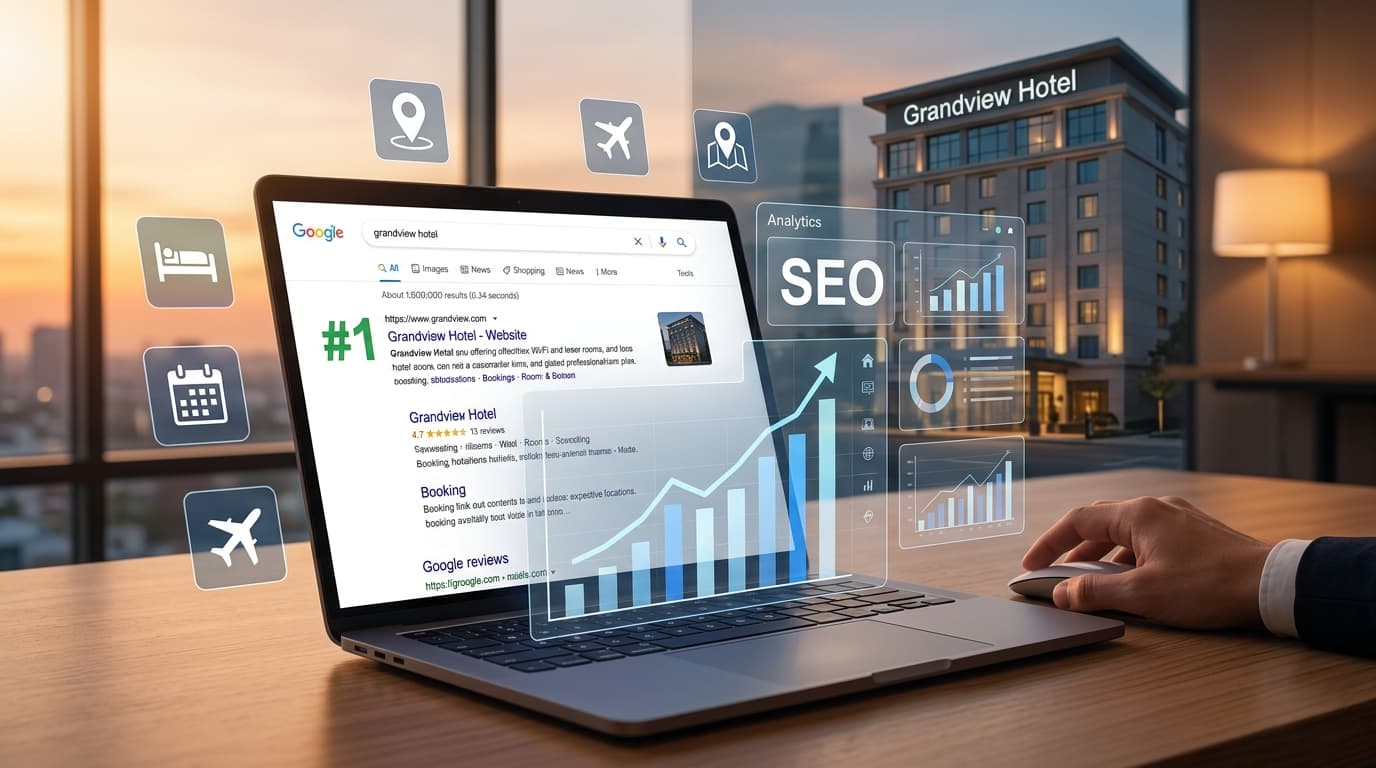
A restaurant that ranks well when someone searches “restaurants near me” or a specific cuisine has a real head start before the customer even considers other options. This head start compounds over time, since a restaurant that consistently appears first tends to get chosen more often, which in turn strengthens its ranking even further.
What Local SEO for Restaurants Actually Involves
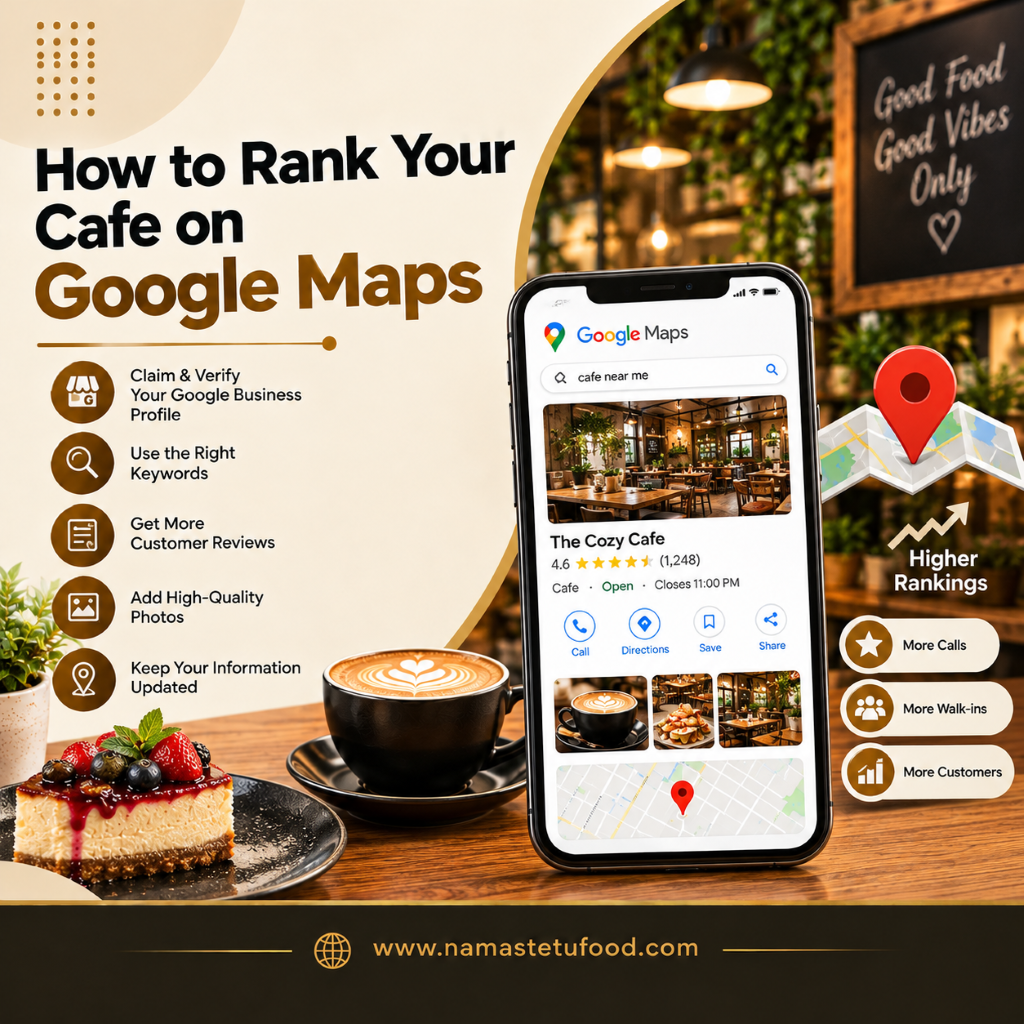
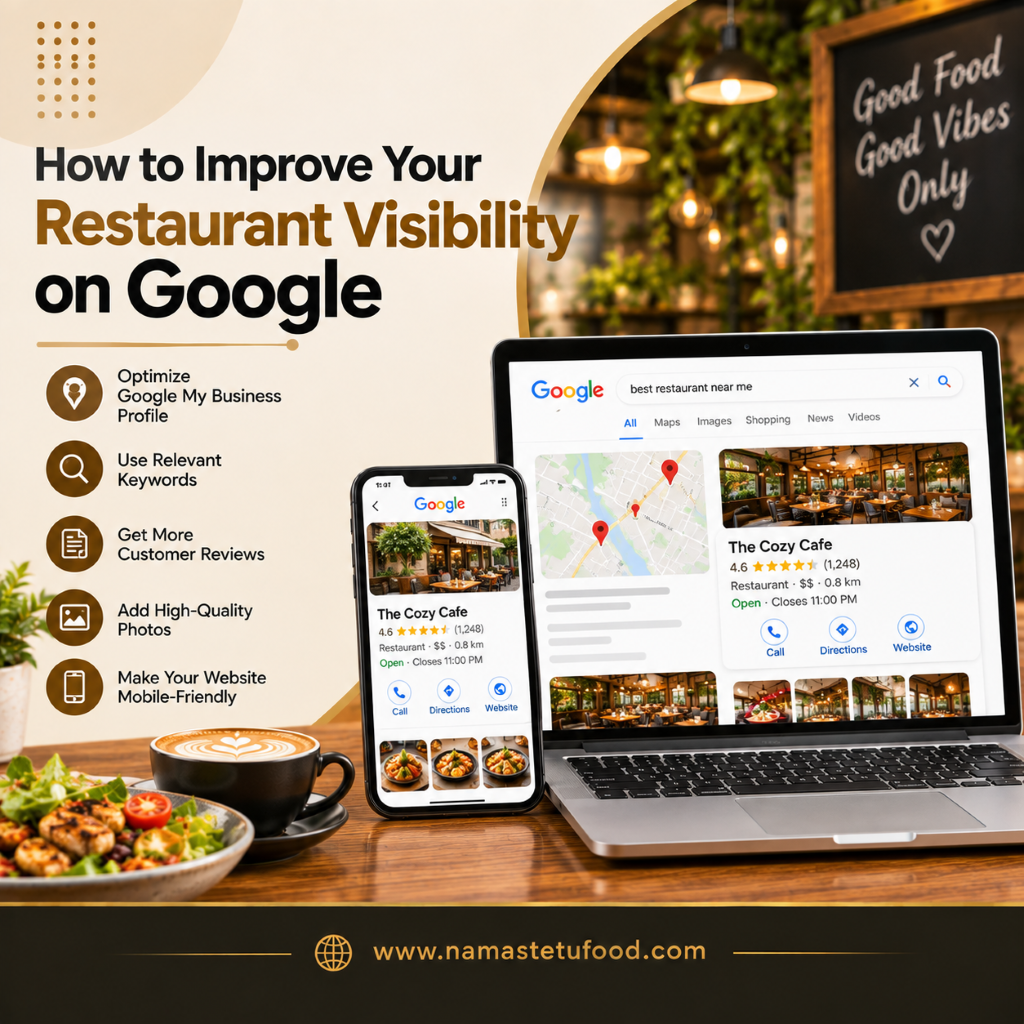
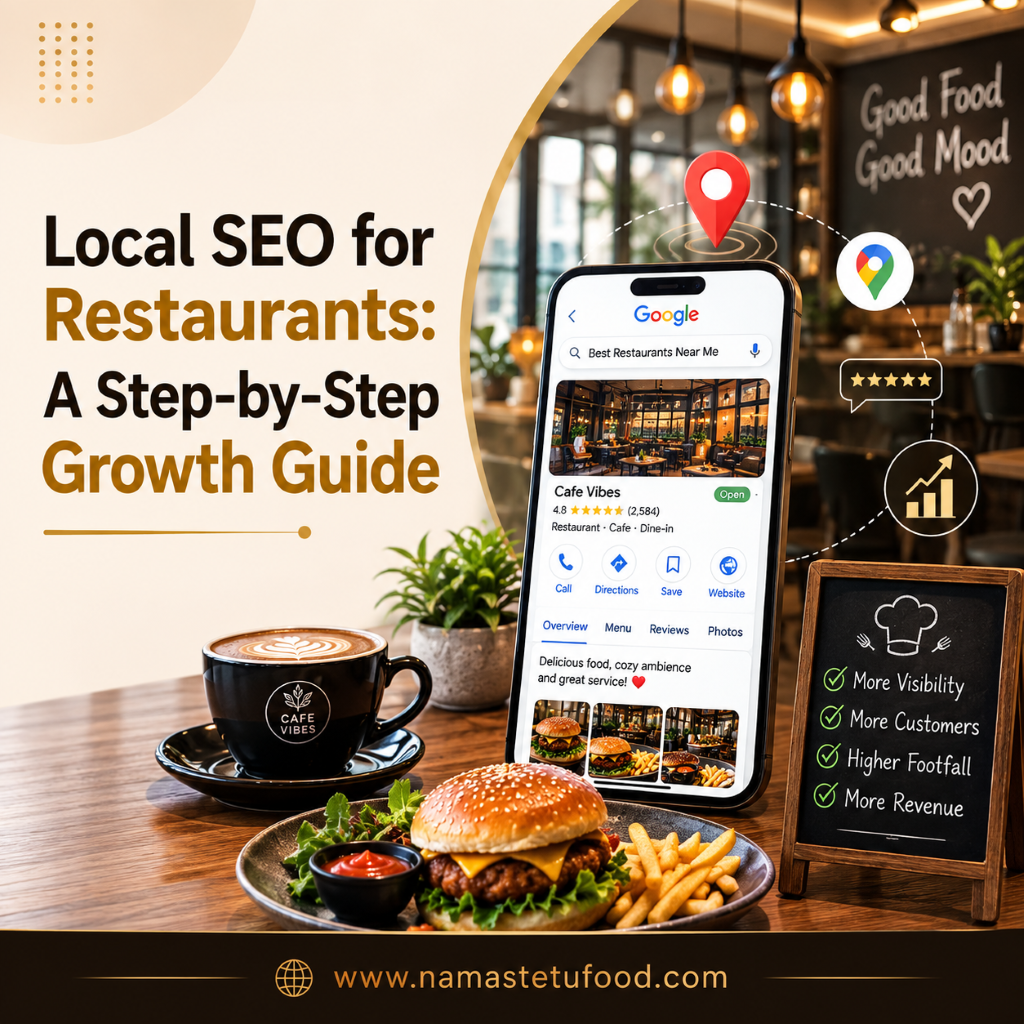
Ranking well for searches tied to a specific location, rather than competing for broad, generic terms with restaurants across the country, is what local SEO for restaurants is really built around. This includes optimizing a Google Business Profile, using local keywords, and ensuring the restaurant’s name, address, and hours stay consistent everywhere online.
This local focus tends to matter more for restaurants than for many other businesses, since almost nobody travels across the city just to try a random restaurant they found online. In our own work with restaurants across Indore, one of the most common gaps we still find is a Google Business Profile that was set up once, years ago, and never touched since, quietly costing the restaurant a steady stream of nearby searches.
How Restaurant Google Ranking Affects Walk-Ins and Orders
A strong restaurant Google ranking often translates directly into more phone calls, more table bookings, and more walk-in customers, simply because visibility naturally leads to consideration. Restaurants that appear at the top of local search results tend to receive a noticeably larger share of clicks than those buried further down the page.
Even a small improvement in ranking position can shift a meaningful number of customers away from lower-ranked competitors nearby. We have seen this play out directly with a couple of our own restaurant clients, where moving from the second page of local results to the top three listings brought a visible jump in call inquiries within the same month.
SEO for Restaurants vs Paid Ads: What Is the Real Difference
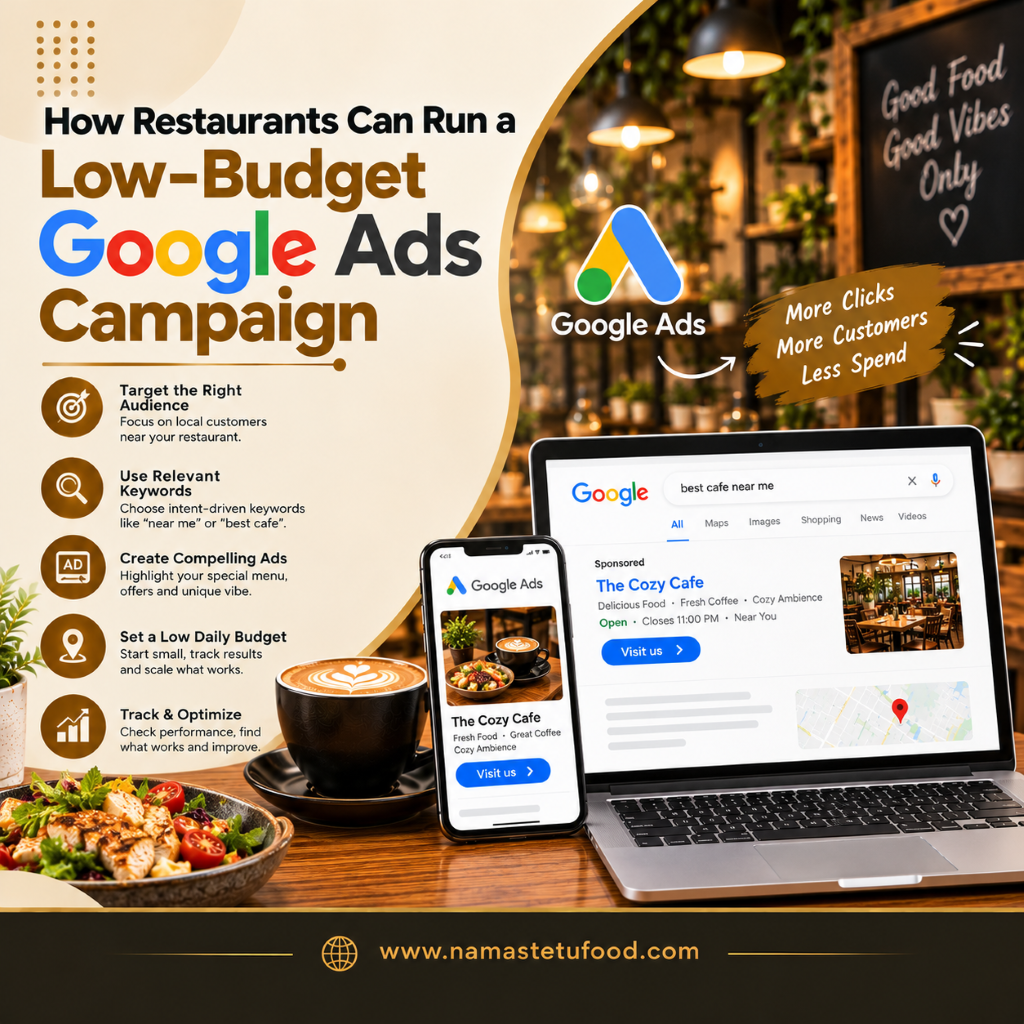
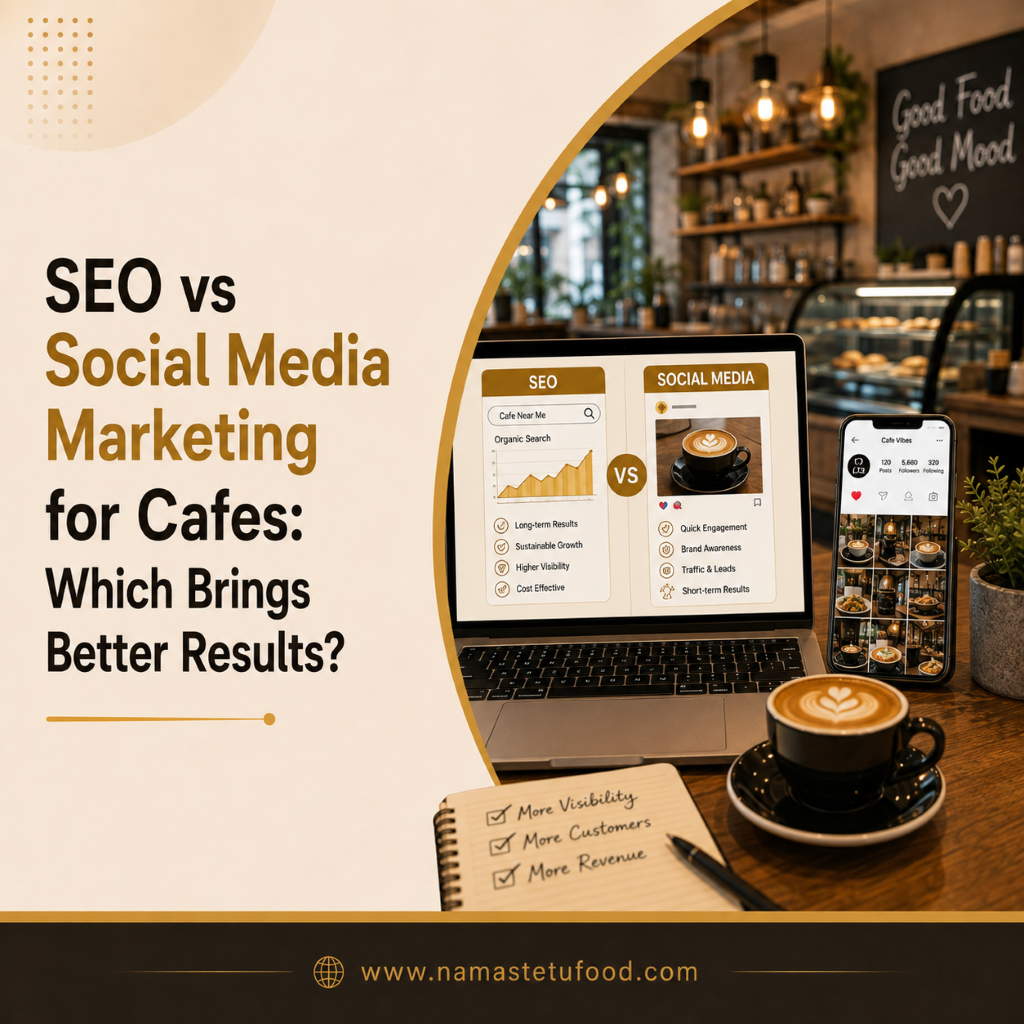
Paid ads bring in attention quickly, but that attention disappears the moment spending stops, leaving nothing behind once the budget runs out. SEO for restaurants works differently, building visibility that keeps working steadily in the background, long after the initial setup work is complete.
This is part of why SEO is often described as a long-term investment rather than a quick fix, since the effort put in early tends to keep paying off for months afterward without needing constant fresh spending.
Seeing the Full Role of SEO in Restaurant Marketing
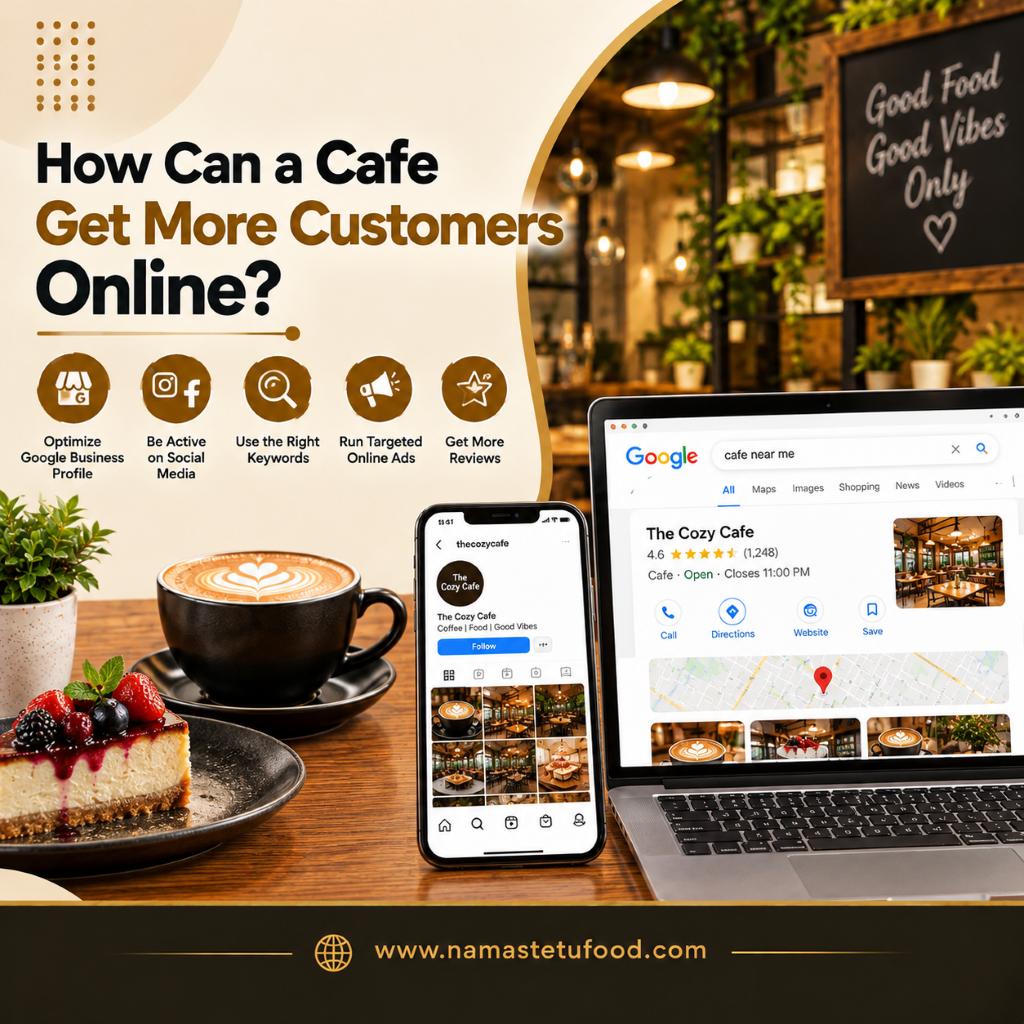
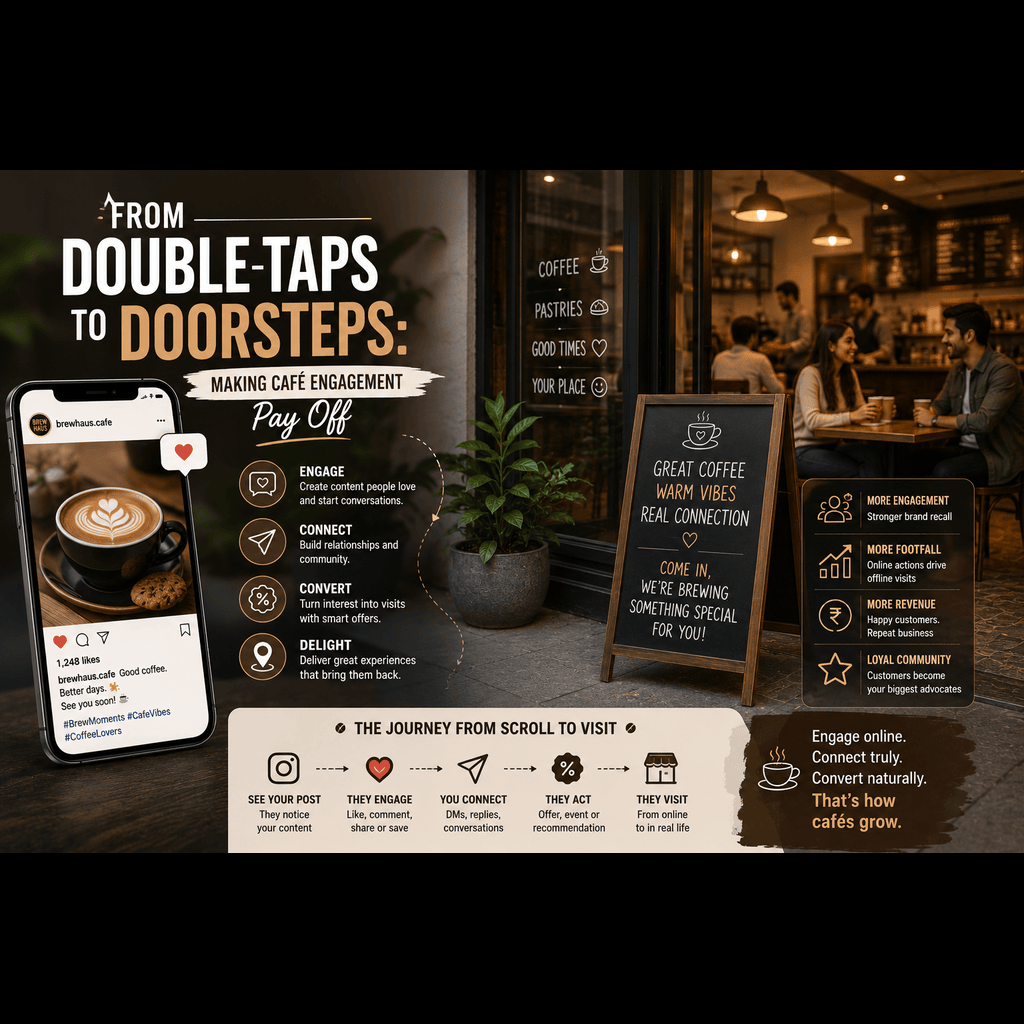
Treating SEO as a standalone task, separate from everything else, tends to limit how much it can actually achieve. Strong restaurant online marketing usually connects SEO with reviews, social media, and the restaurant’s website, so all these pieces reinforce each other instead of working in isolation.
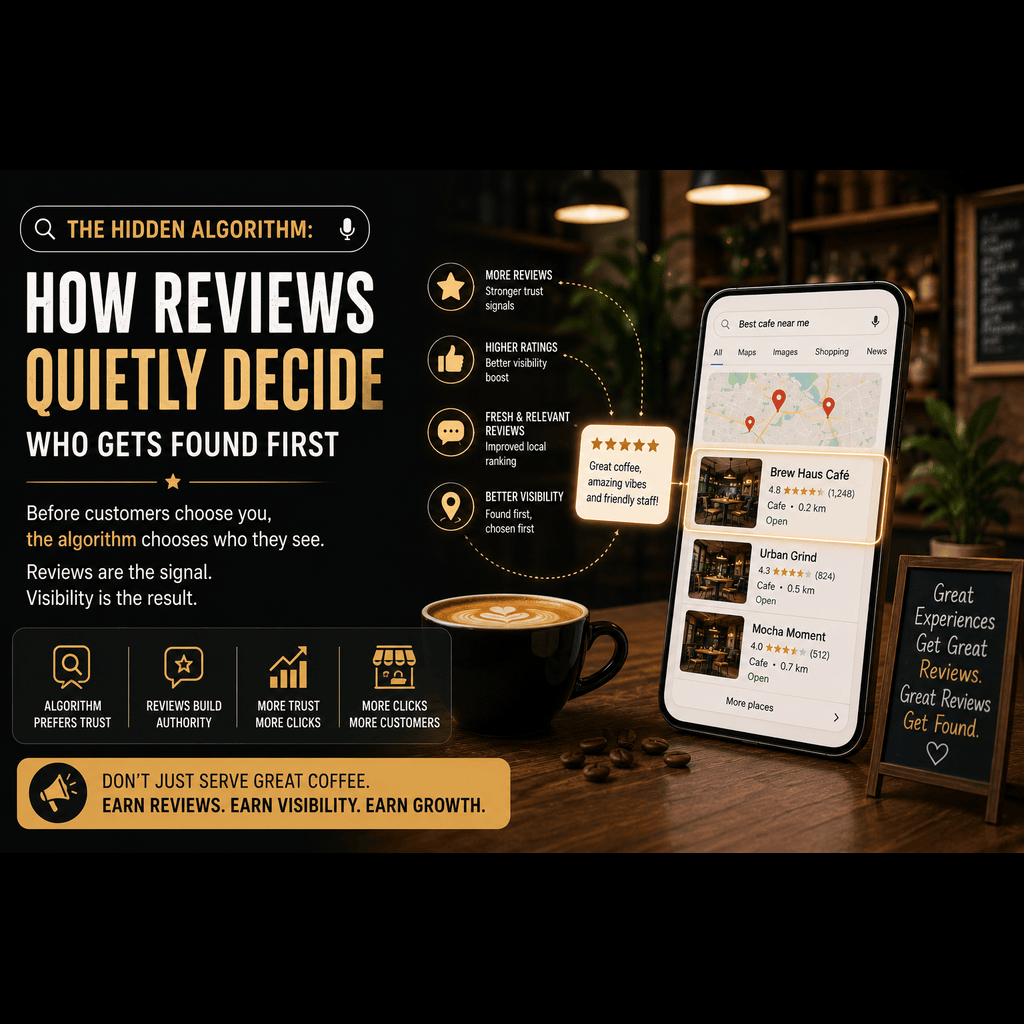
Reviews and social engagement, for instance, tend to support search rankings too, since search platforms generally favor businesses that show consistent, genuine customer activity.
How Digital Marketing for Restaurants Uses SEO as Its Foundation
Ads and social media tend to bring in short bursts of attention, while SEO quietly builds the steady base that supports everything else. This is why digital marketing for restaurants typically treats SEO as the foundation, with other channels layered on top rather than replacing it entirely.
A restaurant that skips this foundation often finds itself spending repeatedly on ads just to stay visible, instead of building visibility that lasts. This is a pattern our team at Namastetu Food sees often when a restaurant first reaches out to us, having spent months on ads alone with little to show for it once the campaigns pause.
What Makes Digital Marketing for Food Business Different in Indore
Local terms, specific neighborhoods, and the kind of cuisine searches actually common in a city tend to shape which restaurants show up first in local results. This is exactly where digital marketing for food business in Indore needs to move away from a generic, one-size-fits-all national strategy, since that approach usually misses these exact local search patterns entirely.
Restaurants that rank well for these local terms tend to capture a steady stream of nearby customers who are actively looking for a place to eat right now, not planning weeks in advance. Over time, this steady stream often becomes more valuable than any single burst of attention from a paid campaign.
Digital Marketing for Food: Where SEO Delivers the Strongest Returns
Among the different channels available under digital marketing for food businesses, SEO tends to deliver some of the strongest long-term returns relative to what is spent. This happens mainly because SEO captures customers already searching with clear intent, meaning they are ready to eat, not just casually browsing.
Ads bring in attention, but SEO tends to bring in customers who are further along in their decision, already searching for exactly what the restaurant offers.
Common SEO Mistakes Restaurants Make
Even restaurants that have set up basic SEO sometimes see weak results, usually because of a few avoidable habits rather than SEO itself being ineffective. A Google Business Profile that was set up once and never touched again quickly falls behind, since competitors updating their photos, hours, and offers regularly tend to look more active and trustworthy by comparison.
Ignoring reviews is another common gap, since customers often read how a restaurant responds to both praise and complaints before deciding to visit. Generic keywords also hold restaurants back, especially when local, specific terms would match far more closely with what nearby customers are actually typing into Google.
- Ignoring the Google Business Profile after setting it up once.
- Never responding to customer reviews, both good and bad.
- Using broad, generic keywords instead of local, specific search terms.
- Running a slow website that frustrates customers before they see the menu.
- Expecting SEO to show results within just a few days.
A slow website causes its own quiet damage too, since customers who wait too long for a menu to load often leave before ever seeing what the restaurant actually offers. Expecting fast results is perhaps the most common mistake of all, since SEO simply does not work the same way a paid ad campaign does.
Frequently Asked Questions
What is the role of SEO in restaurant marketing?
The role of SEO in restaurant marketing is to help customers find a restaurant when they search online, building steady, long-term visibility that supports the rest of its marketing efforts.
How long does restaurant SEO take to show results?
Most restaurants start seeing noticeable improvement within two to four months, with stronger results building over the following months of consistent effort.
Is SEO more important than social media for restaurants?
Both matter, but SEO tends to capture customers already searching with clear intent, while social media builds broader awareness and brand recognition over time.
Can a small restaurant handle SEO without hiring an agency?
Yes, especially the basics like setting up a Google Business Profile and replying to reviews, though outside help can speed things up once a restaurant is ready to scale.
Why does local SEO matter more than general SEO for restaurants?
Local SEO matters more because most restaurant searches include a location or “near me,” meaning customers are already looking for options close to where they currently are.
Conclusion
The role of SEO in restaurant marketing goes well beyond simply being visible online, extending into trust, local reach, and steady customer growth over time. Restaurants that treat SEO as a core part of their strategy, not an afterthought, tend to build the kind of lasting visibility that ads and social media alone cannot fully replace.
Not sure where to start with your restaurant’s SEO? Connect with our team at Namastetu Food and find out exactly what is holding your rankings back.