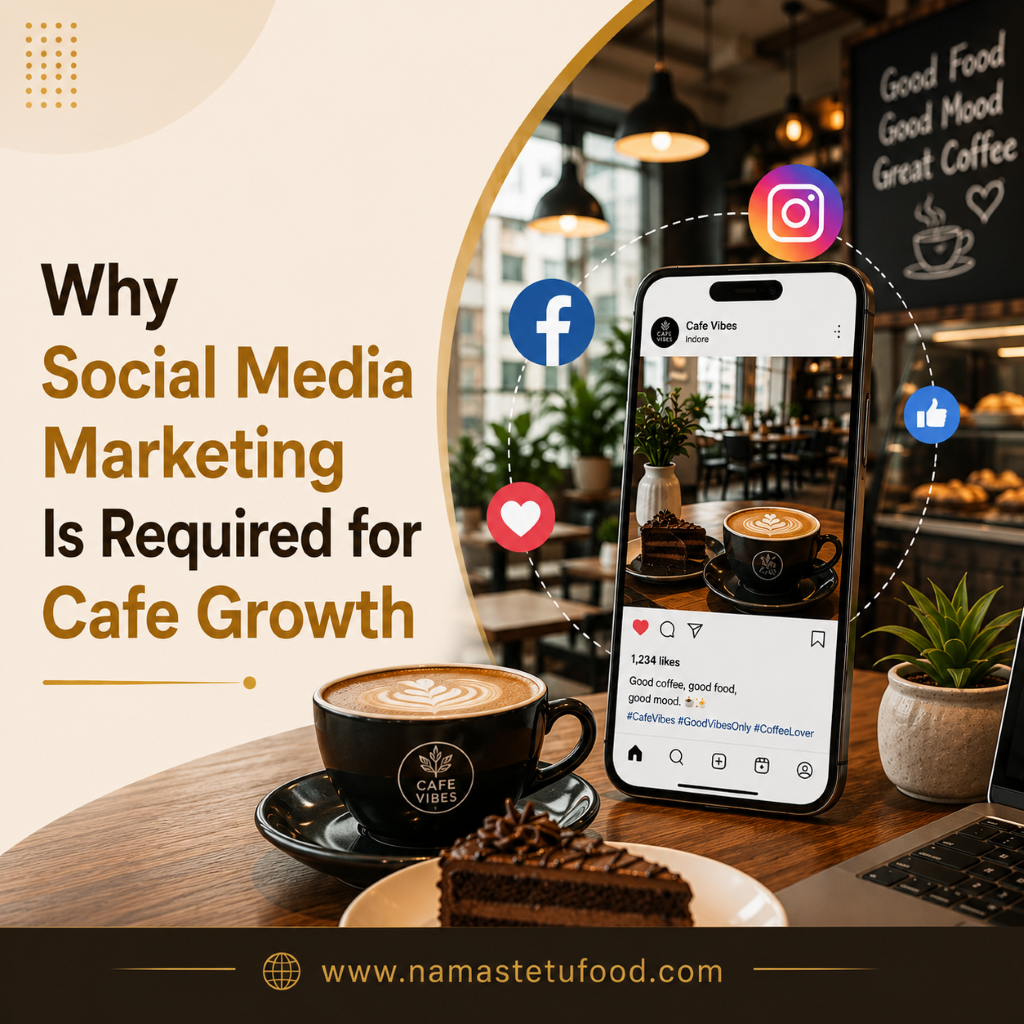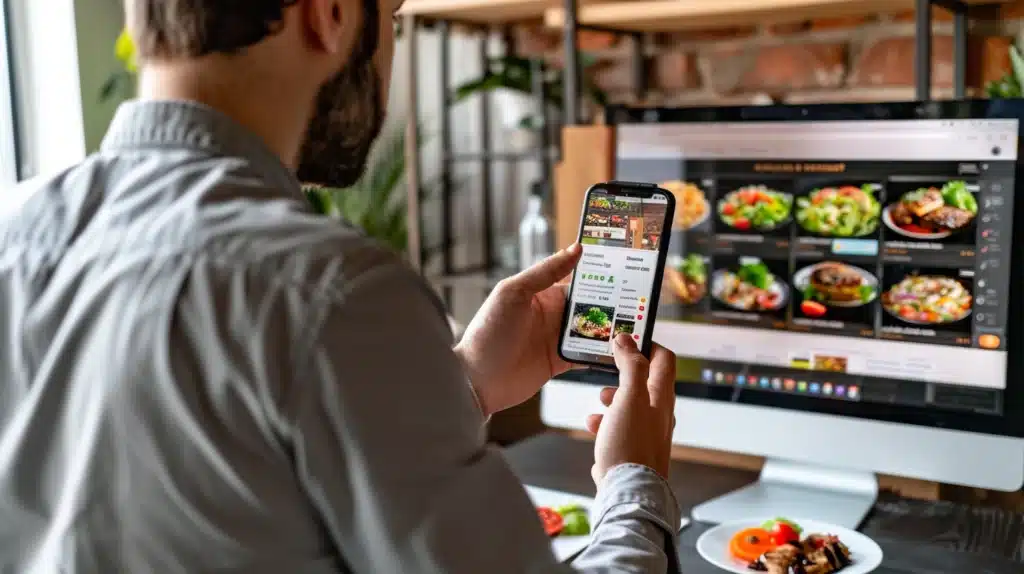
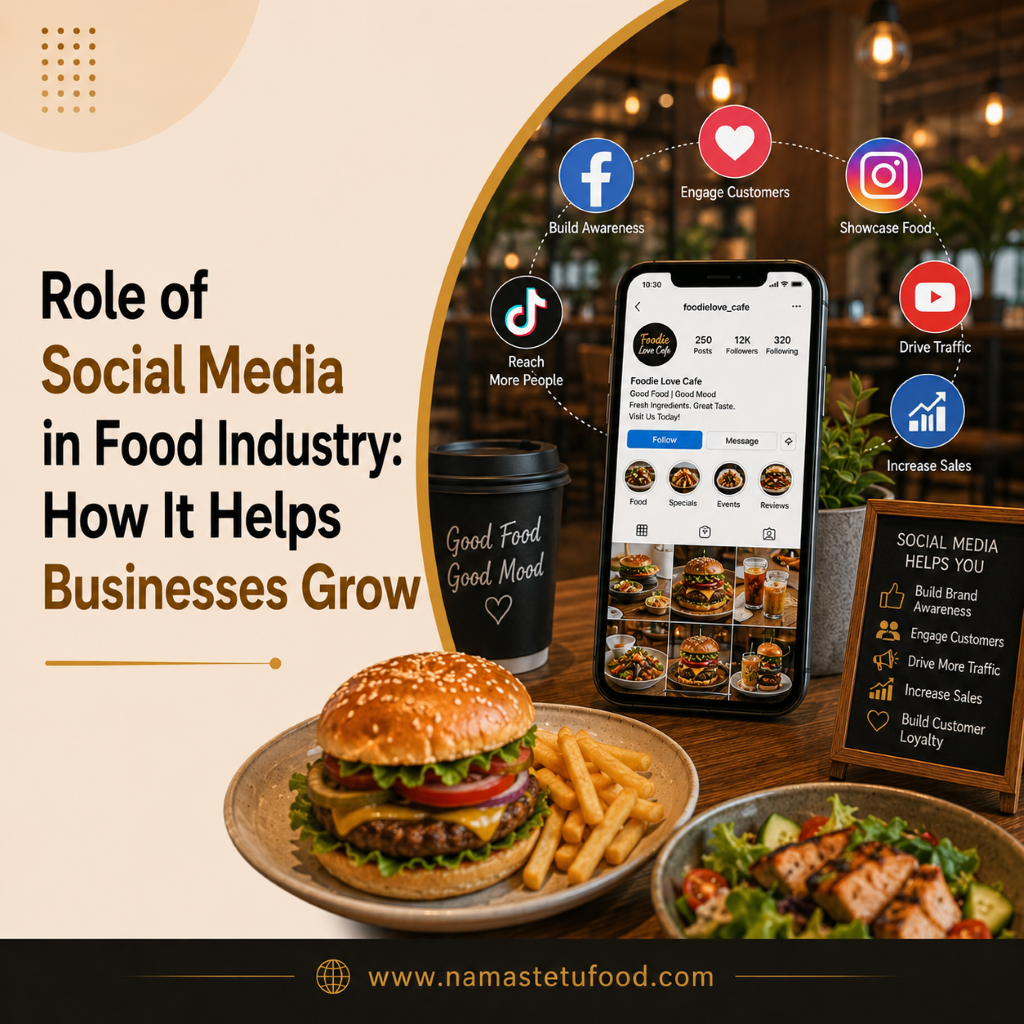
A customer scrolling through food videos late at night is often deciding tomorrow’s lunch order before they even feel hungry. This everyday habit explains the growing role of social media in food industry growth, since a single well-timed post can influence where hundreds of people choose to eat. Food businesses that understand this shift tend to grow faster than those still relying only on walk-in traffic and word of mouth.
This blog looks at exactly how social media affects food businesses today, and what owners can do to use it properly instead of posting randomly and hoping for results.
Why Social Media Matters for Food Businesses Today
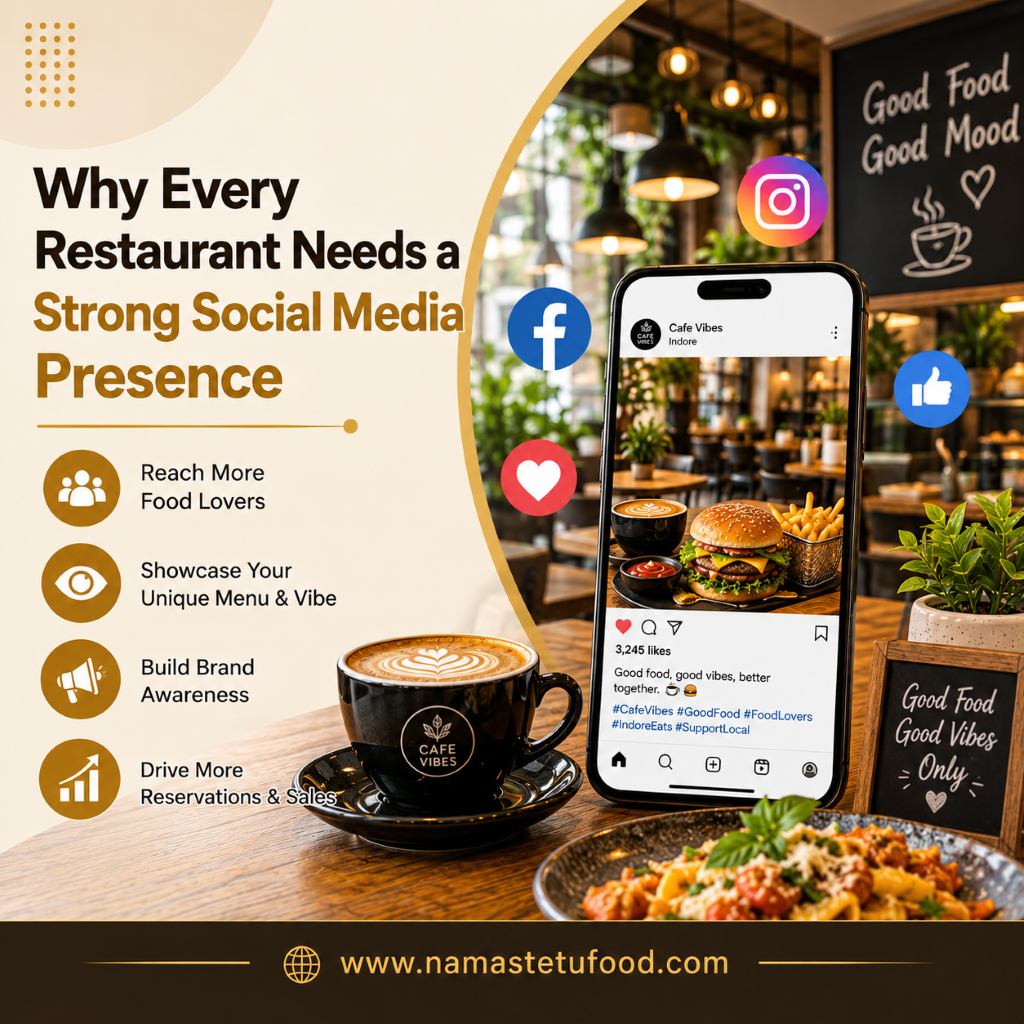
Food is naturally visual, which makes it one of the easiest products to market on platforms built around photos and short videos. A plate of food often gets more attention online than most other products, simply because people enjoy looking at it even when they are not hungry.
This natural visual appeal gives food businesses an advantage that many other industries do not have. Once a business learns to use this advantage well, social media stops being a side activity and becomes a real driver of daily orders.
How the Role of Social Media in Food Industry Has Changed Buying Decisions
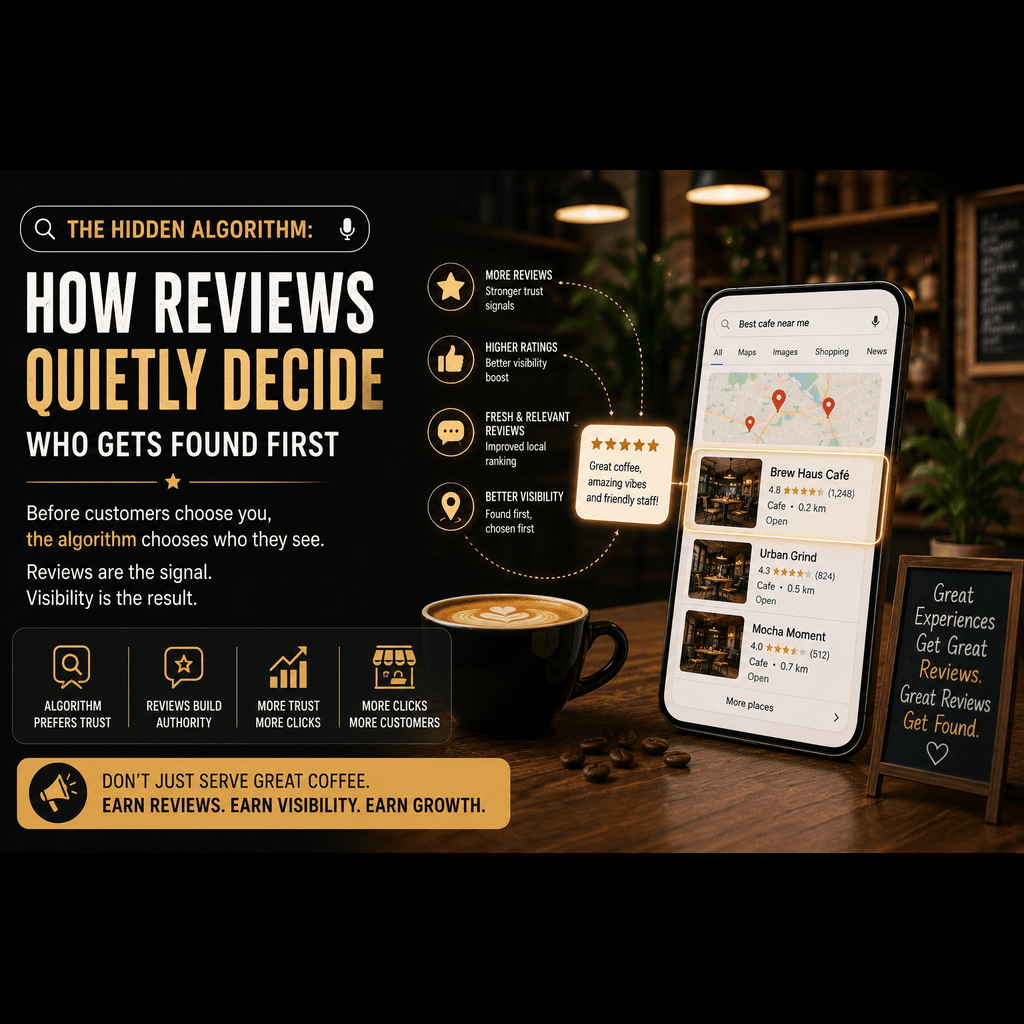
Ten years ago, most people decided where to eat based on location or a friend’s recommendation. Today, the role of social media in food industry decision-making has grown so much that many customers check a place’s Instagram or reviews before they even open Google Maps.
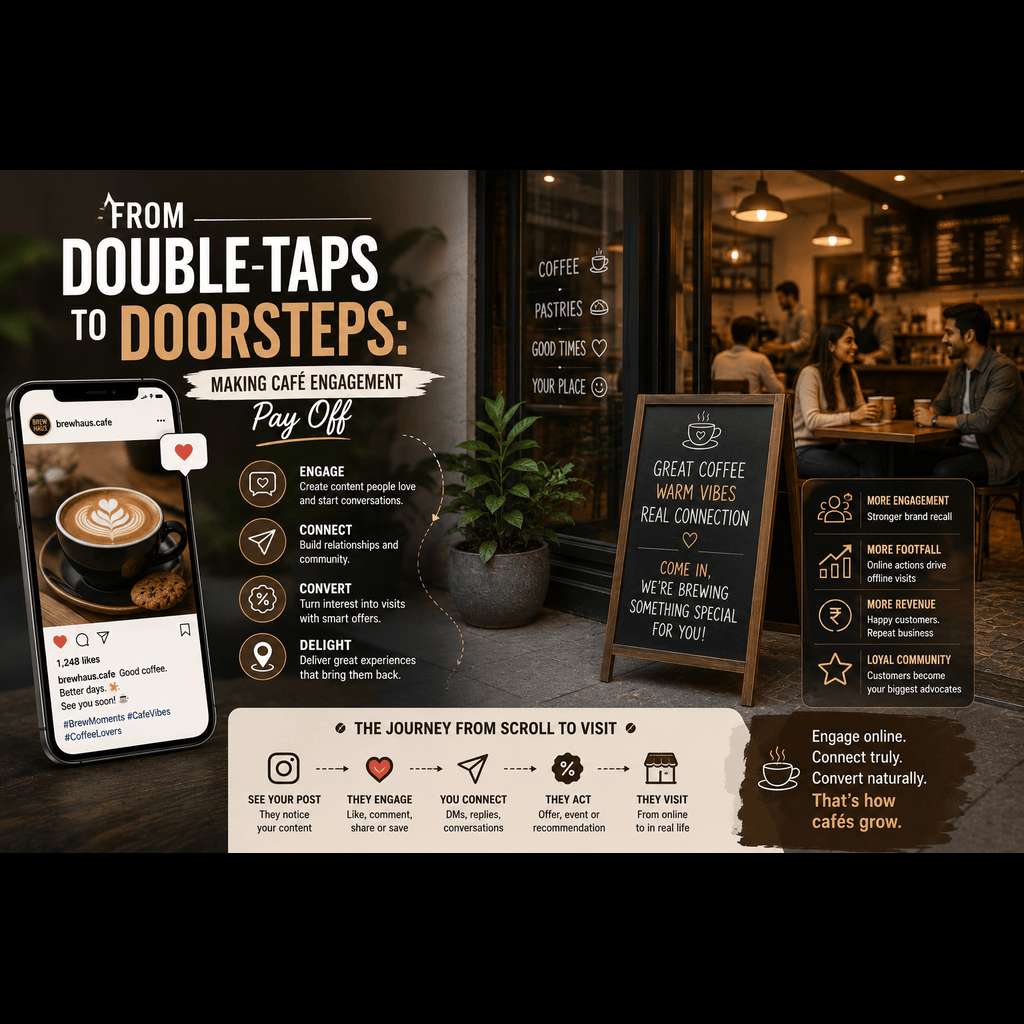
This shift means your online presence often forms a customer’s first impression, long before they walk through your door. A business with no social media presence at all risks looking outdated or, worse, simply invisible to a large share of potential customers.
Building Trust Through Reviews and Real Content
Trust is the real currency on social media, and food businesses earn it through consistency, not through occasional, heavily edited posts. Customers tend to trust real photos, honest reviews, and everyday content far more than polished advertisements.
A few things build this trust effectively over time:
- Real photos of your food, taken in natural lighting.
- Genuine customer reviews and reactions, shared as they come in.
- Behind-the-scenes content, like your kitchen or your team at work.
- Quick, honest replies to comments and questions.
Businesses that skip this and only post promotional content often struggle to build the same level of trust, no matter how much they spend on ads.
Social Media as a Discovery Tool: Reaching New Customers
Beyond keeping existing customers engaged, social media plays a major role in helping new customers discover a business for the first time. Someone searching a city name along with a food type, or scrolling through location-tagged posts, can stumble upon a restaurant they had never heard of before.
This discovery effect works especially well for smaller or newer food businesses that cannot yet compete with bigger names on price or advertising budget. A single video that gets shared widely can sometimes bring in more new customers in a week than months of regular marketing.
Which Platforms Work Best for Food Businesses
Not every platform works the same way for food businesses, and spreading effort too thin across all of them rarely works well. Focusing on a couple of platforms consistently tends to produce far better results than posting occasionally everywhere.
| Platform | Best Use for Food Businesses |
| Photos, reels, and daily engagement | |
| Local community groups and older audiences | |
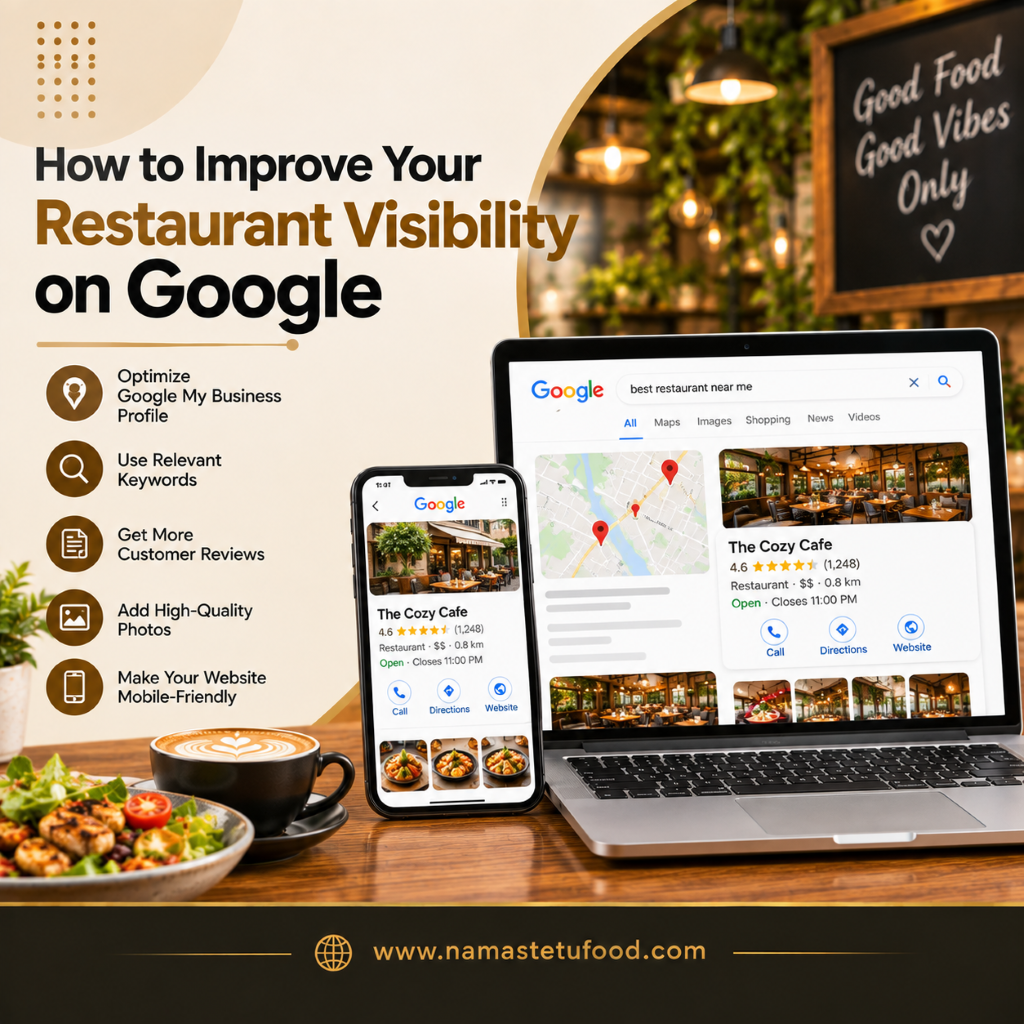
| Google Business Profile | Reviews, location, and local search visibility |
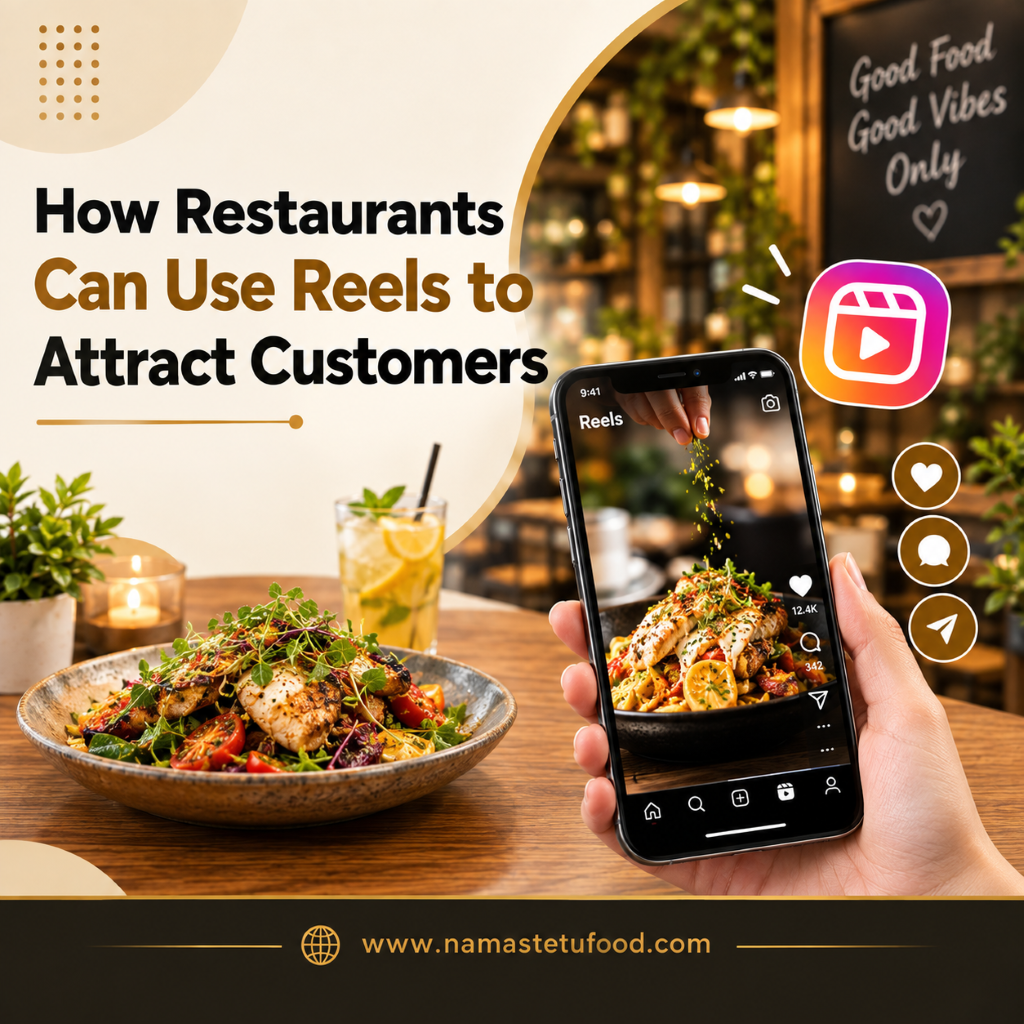
| YouTube Shorts | Behind-the-scenes and recipe-style content |
Hotel Social Media Marketing in Indore: A Local Perspective
A national or generic strategy rarely works well here, mainly because local customers respond strongly to content that feels familiar to them. This is why hotel social media marketing in Indore performs best when it mentions nearby landmarks, local festivals, or Indore-specific food trends instead of relying on broad, one-size-fits-all posts.
Local food culture in Indore, especially around street food and evening hangout spots, gives food businesses a natural advantage if their content reflects that culture honestly instead of copying a generic national template.
Social Media Agency for Restaurants in Indore: Why Owners Hire Help
Running a restaurant already takes up most of an owner’s day, which leaves little time or energy for planning content, editing videos, and replying to comments consistently. This is exactly why many owners eventually turn to a social media agency for restaurants in Indore instead of trying to manage everything alone.
A dedicated team can maintain a consistent posting schedule, respond to customers promptly, and adjust content based on what is actually performing well, something that is genuinely hard to keep up with while also running daily kitchen operations.
Social Media Agency for Cafes in Indore: Different Needs, Different Approach
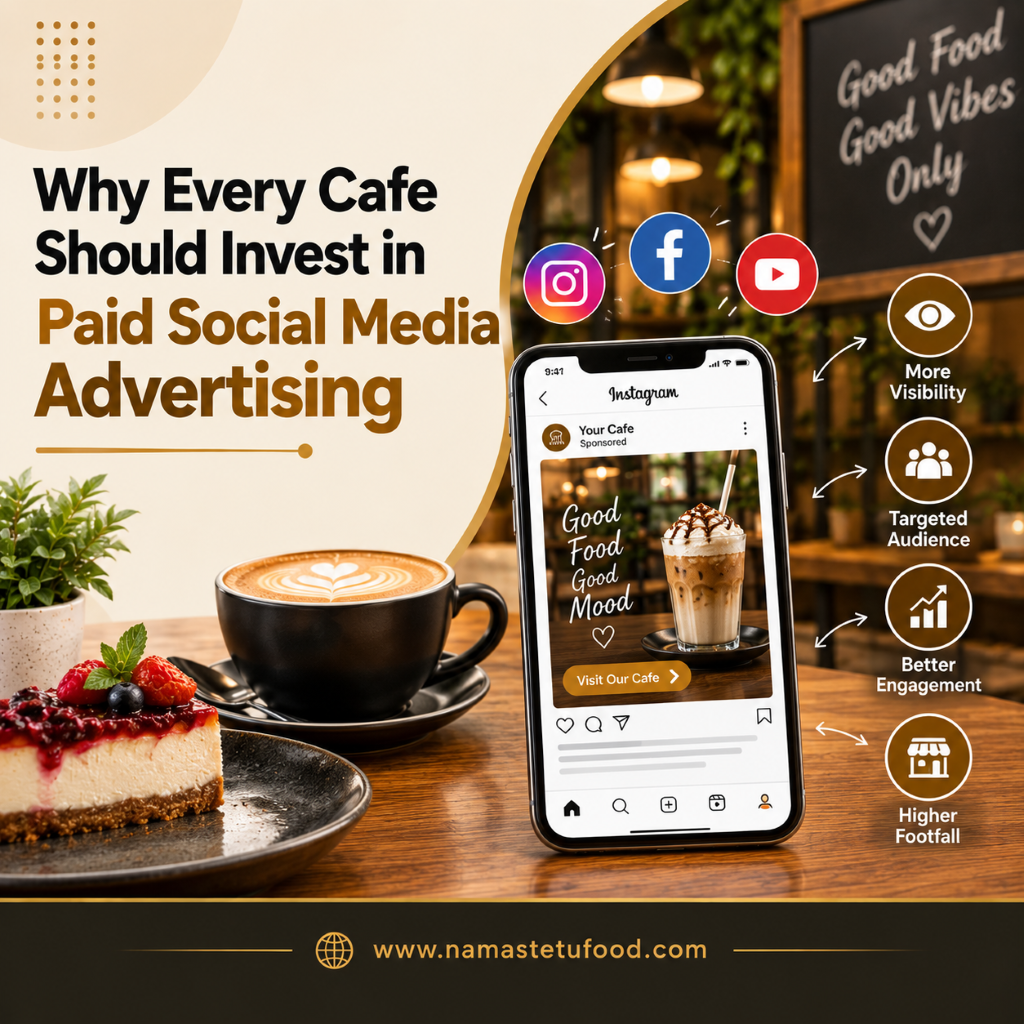
Cafes often need a slightly different social media approach compared to full-service restaurants, since their content usually leans more toward lifestyle and atmosphere rather than just food photography. A social media agency for cafes in Indore typically focuses more on ambience, seating, drinks, and the overall vibe that draws people in.
This distinction matters because a strategy built for restaurants does not always translate well to cafes, and using the wrong approach can quietly waste both time and money.
Digital Marketing Agency for Food: Beyond Just Social Media
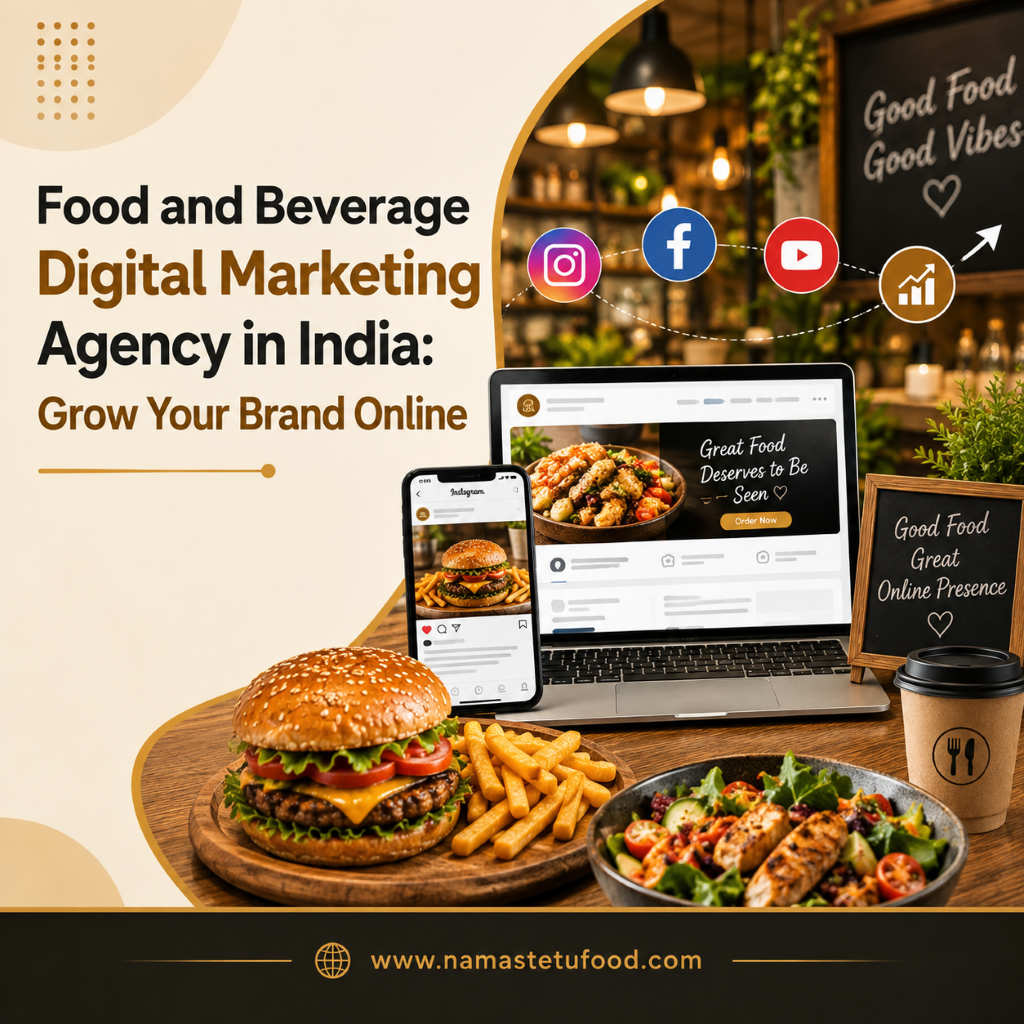
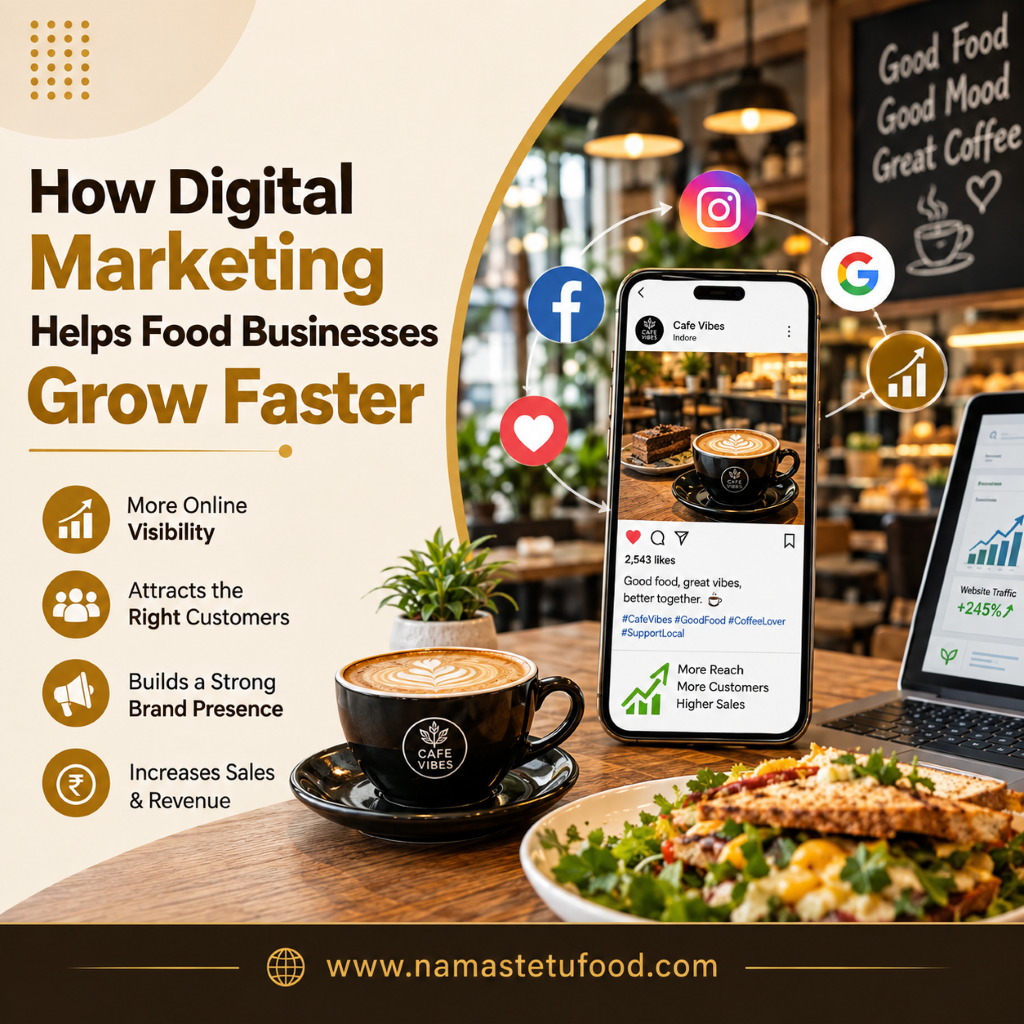
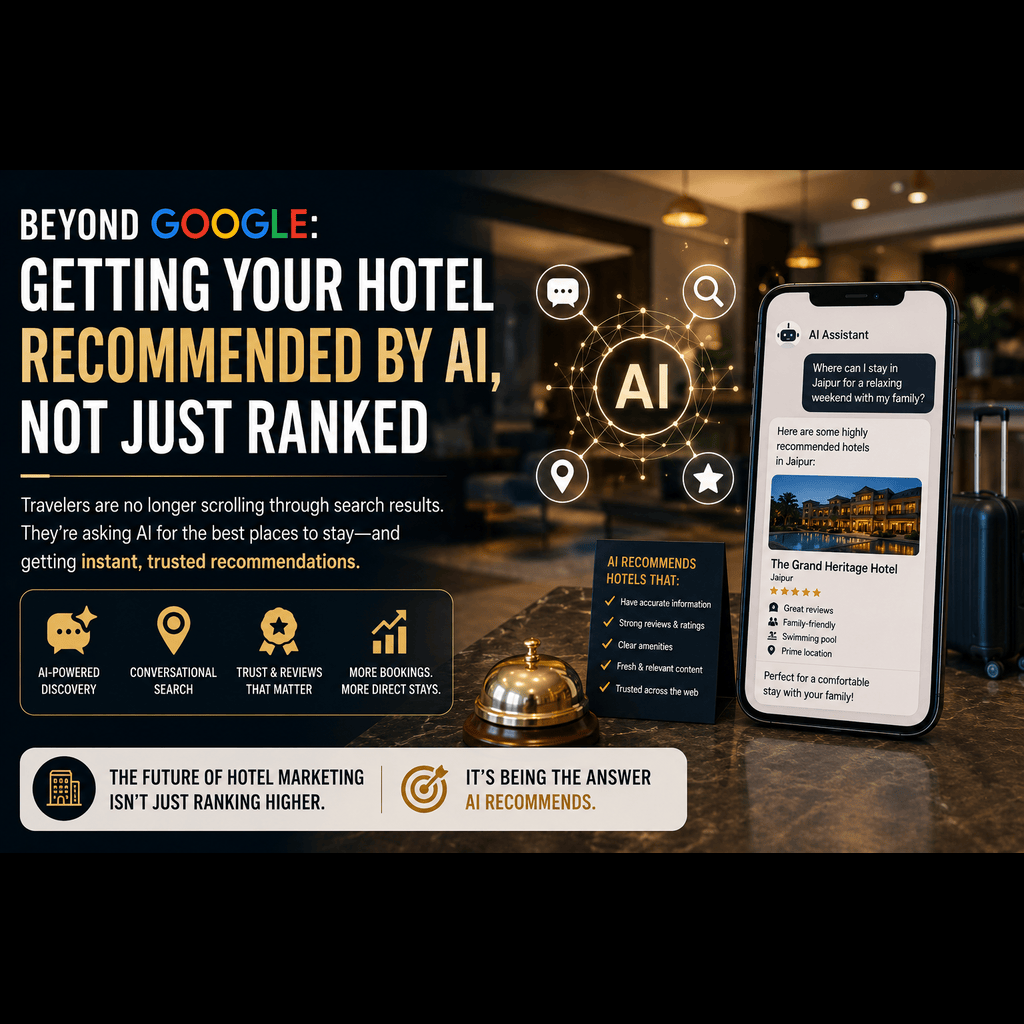
Social media works best when it is not treated as a standalone effort. A digital marketing agency for food typically connects social media with SEO, Google Ads, and website work, so all these channels support each other instead of operating separately.
Working with a digital marketing agency in Indore that understands the local food scene specifically can make a genuine difference here, since local knowledge often shapes which content and offers actually perform well in this market.
Common Mistakes Food Businesses Make on Social Media
- Posting only when convenient, with no real content plan or schedule.
- Using low-quality, poorly lit photos that make good food look unappealing.
- Ignoring comments and messages instead of replying to them.
- Copying trends without adapting them to fit the actual brand.
- Focusing only on follower count instead of tracking actual orders and visits.
A Simple Content Plan for Food Businesses
Consistency usually beats creativity when it comes to long-term results on social media. A simple, realistic weekly plan might look like this:
- Two posts featuring your best-selling dishes.
- One behind-the-scenes video from the kitchen or team.
- One post highlighting a customer review or reaction.
- One post about a current offer, event, or seasonal item.
Sticking to a simple plan like this, done consistently, usually beats posting heavily for one week and then going quiet for the next three.
Frequently Asked Questions
What is the role of social media in food industry growth?
The role of social media in food industry growth mainly involves building trust, increasing local visibility, and influencing where customers decide to eat, often before they even feel hungry.
Which social media platform works best for restaurants?
Instagram generally works best for food businesses because of its focus on photos and short videos, though Google Business Profile is equally important for local visibility.
How often should a food business post on social media?
Posting three to five times a week, consistently, usually works better than posting daily for a short burst and then disappearing for weeks.
Do small cafes and restaurants really need a social media agency?
Not always, but if the owner has no time to post consistently or track what content is working, a dedicated agency can genuinely save both time and missed opportunities.
How does social media affect a restaurant’s local search ranking?
Active social media, combined with strong Google reviews, tends to support better local search visibility, since search platforms often reflect real customer activity and engagement.
Conclusion
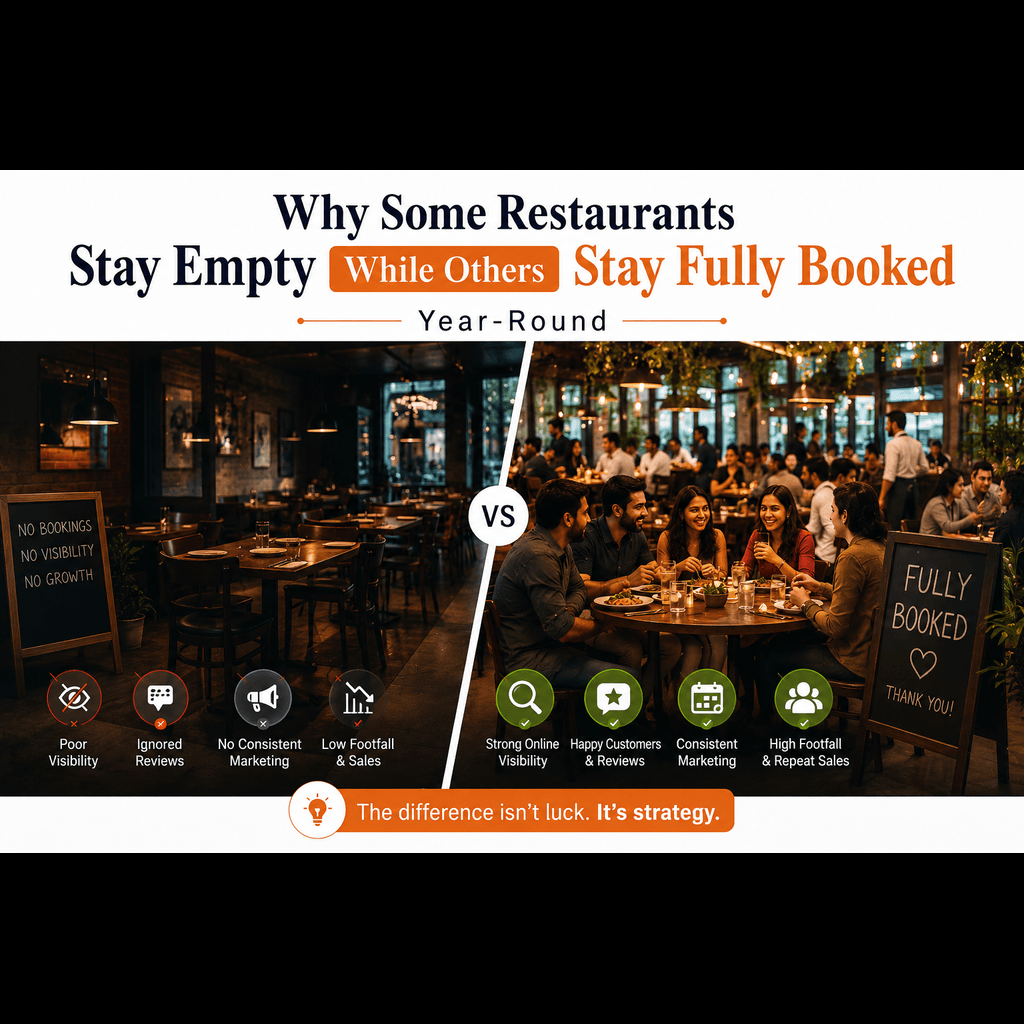
The role of social media in food industry growth has moved well past simple advertising, becoming one of the main ways customers actually discover and trust a food business today. Businesses that post consistently, stay authentic, and treat social media as part of a bigger strategy, rather than an isolated task, tend to see stronger and steadier growth.
Ready to grow your food business online? Namastetu Food helps restaurants, cafes, and hotels in Indore build a social media presence that actually brings in customers, not just likes. Contact us today for a free consultation and see where your current strategy stands.