Two food businesses can serve nearly identical dishes, yet one becomes the name people recommend while the other stays a forgettable option nearby. That gap usually comes down to branding, not the food itself, which is exactly why the top strategies for effective food branding matter so much for businesses trying to stand out today. Getting this right shapes how customers perceive a business long before they ever place an order.
At Namastetu Food, we have worked with enough restaurants and cafes in Indore to notice a clear pattern: the businesses that grow fastest are rarely the ones with the biggest budgets, but the ones with the clearest, most consistent brand identity across every platform.
Why Branding Matters More Than Just a Logo
Food branding often gets reduced to a logo and a color scheme, but it actually covers everything a customer experiences, from your photos to your tone of voice to how staff greet people at the door. A strong brand creates a feeling customers associate with your business, something that stays with them long after the meal is finished.
Businesses that skip this step often blend into a sea of similar-looking competitors, forcing them to compete on price alone rather than identity or loyalty. In one recent audit we ran for a cafe client, we found three different logo variations being used across their menu, signage, and Instagram page, something the owner had not even noticed until it was pointed out.
What Makes Food Branding Different From Other Industries
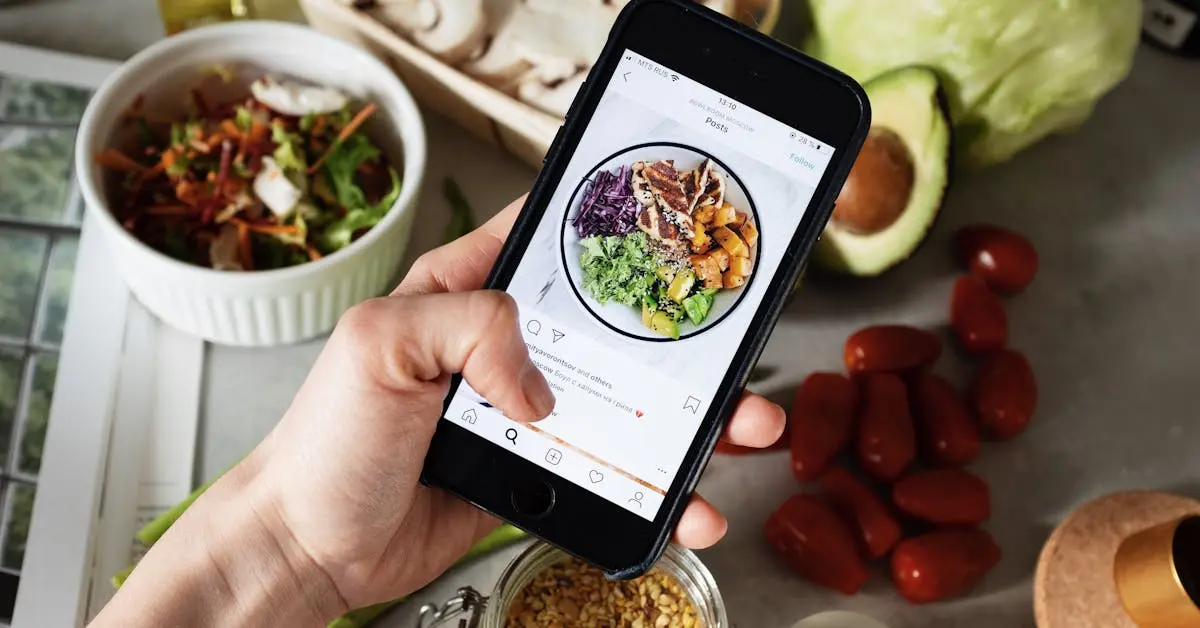
Food decisions are driven heavily by appetite, mood, and visual appeal, which makes branding in this space genuinely different from branding a typical product or service. A dish photographed well can trigger a craving within seconds, something few other industries can replicate through imagery alone.
This visual, sensory pull is exactly why food brands that invest in strong photography and consistent presentation tend to outperform those relying purely on price or convenience.
Top Strategies for Effective Food Branding That Actually Work
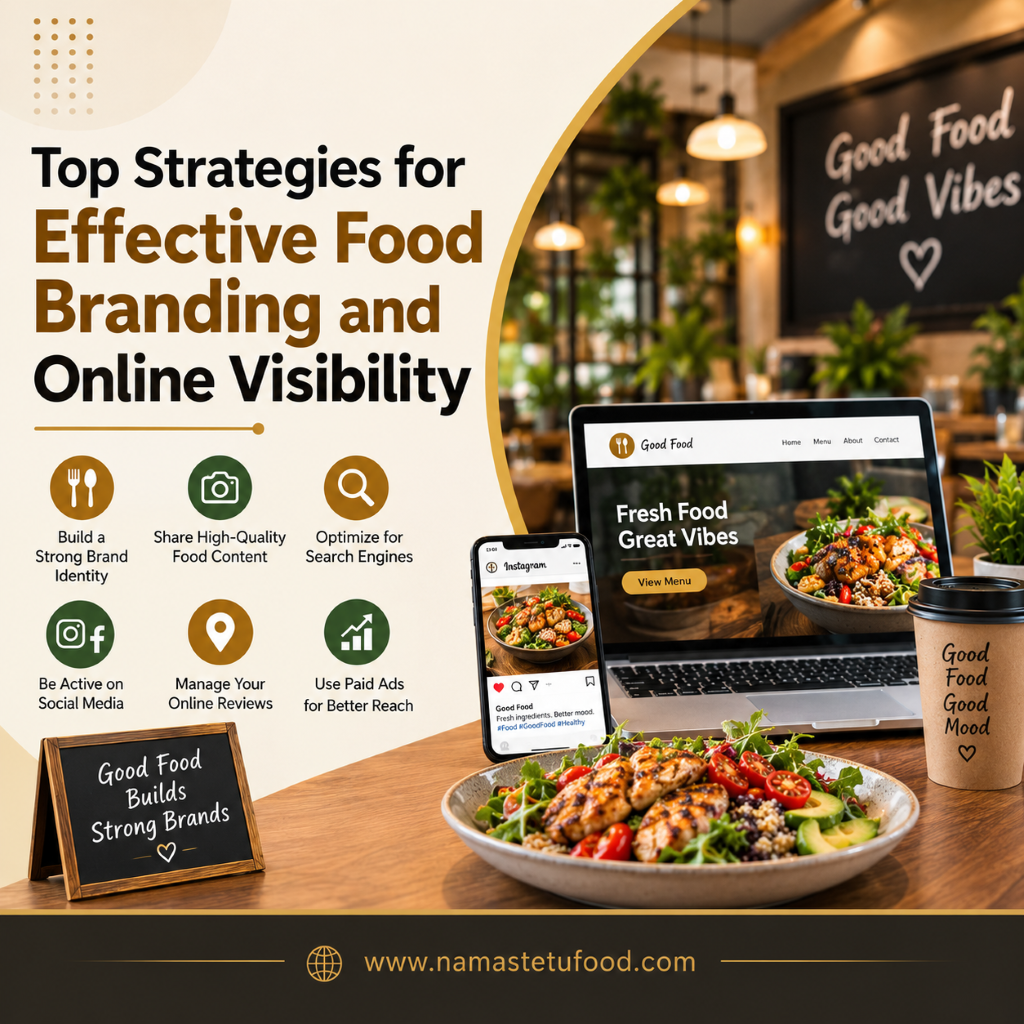
Building a strong food brand does not require a massive budget, but it does require consistency across every touchpoint a customer sees, from the first photo they scroll past to the moment they walk through the door. Here are the strategies that tend to make the biggest difference for food businesses working with limited time and resources.
- Use the same colors, fonts, and tone across your menu, signage, and social media.
- Invest in real, well-lit food photography instead of generic stock images.
- Give your business a clear personality, whether that is playful, elegant, or homely.
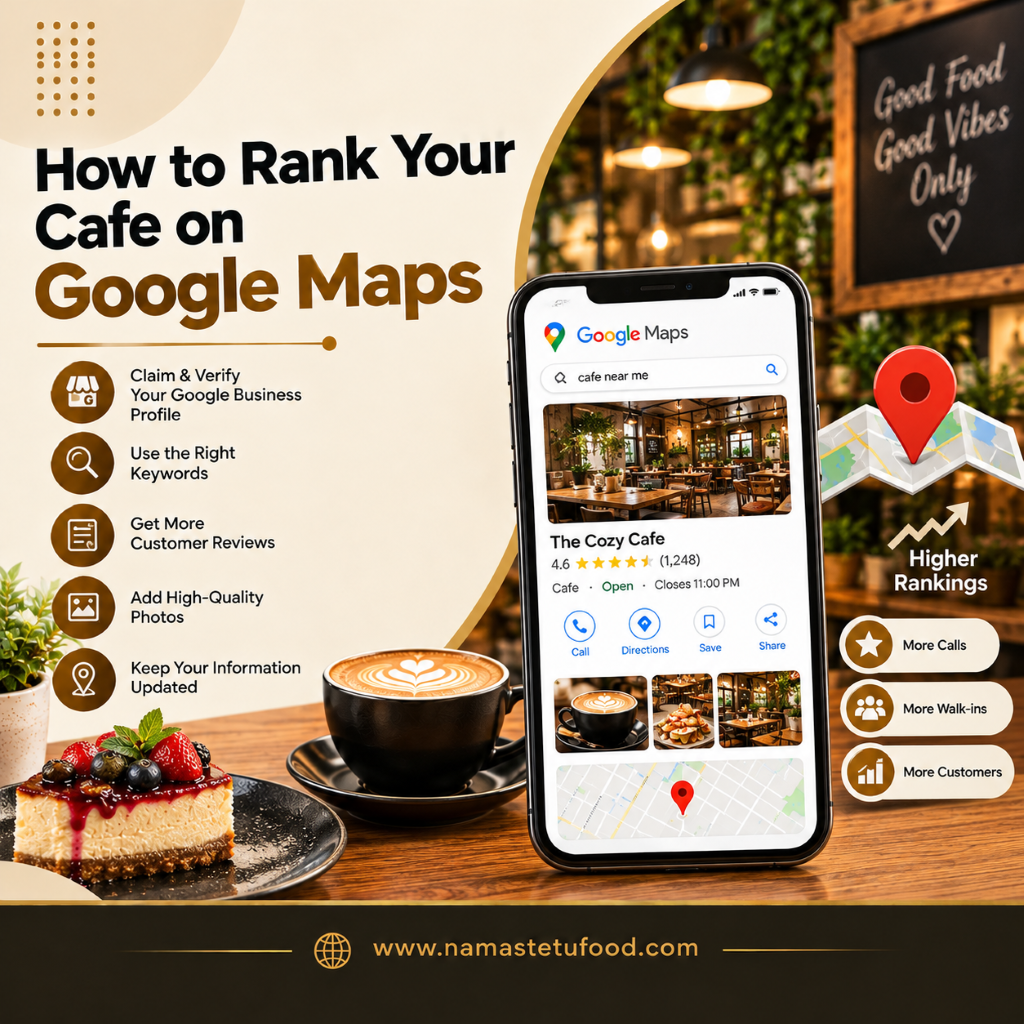
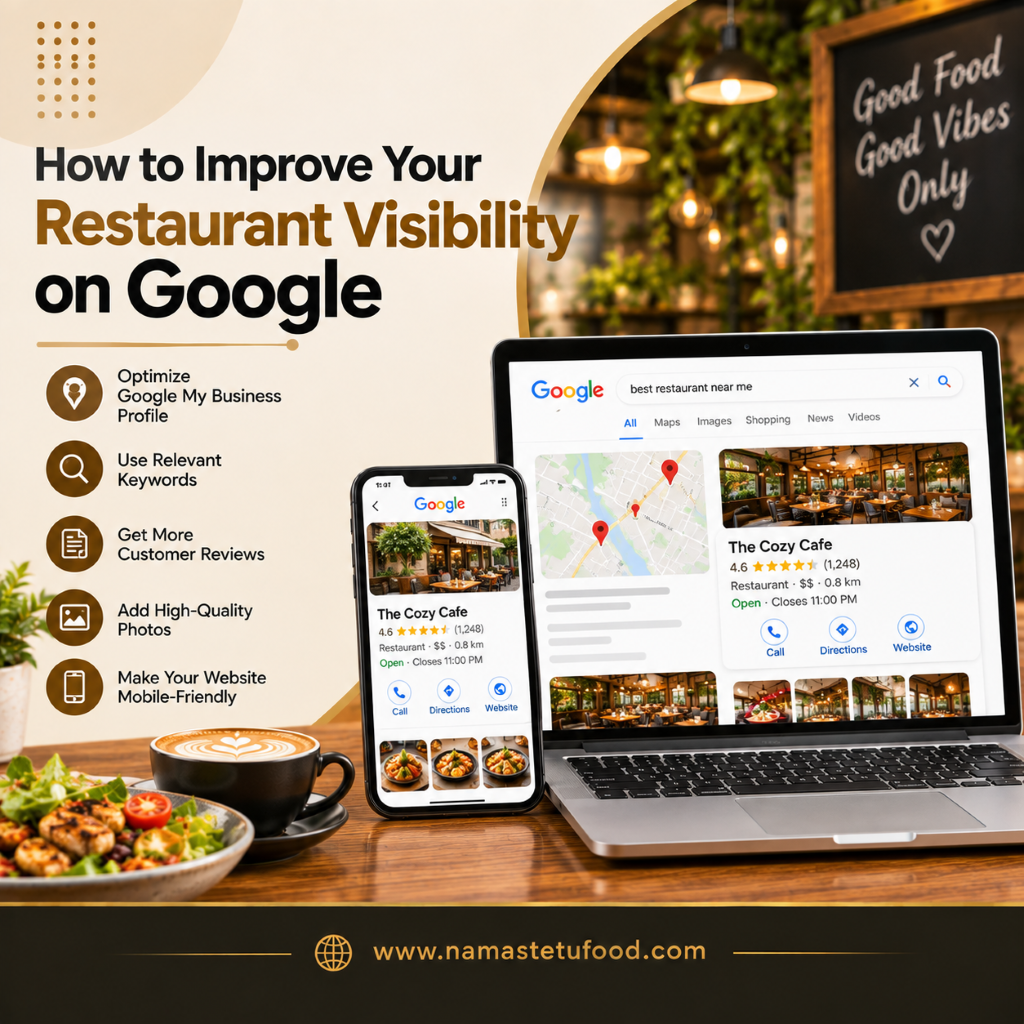
- Keep your Google Business Profile and social pages updated with the same branding.
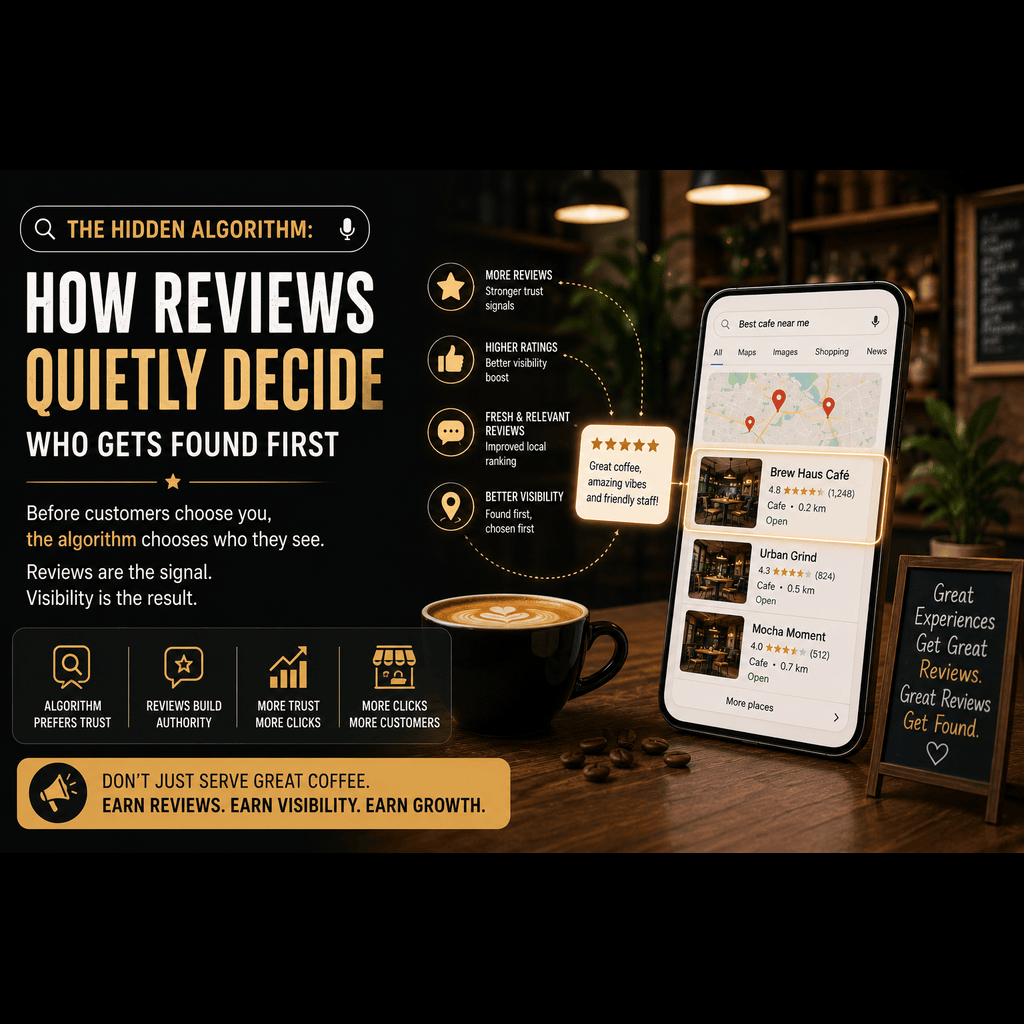
- Encourage and showcase genuine customer reviews and reactions.
Following even three or four of these consistently tends to produce a noticeably stronger, more recognizable brand within a few months.
Building an Online Presence That Matches Your Brand
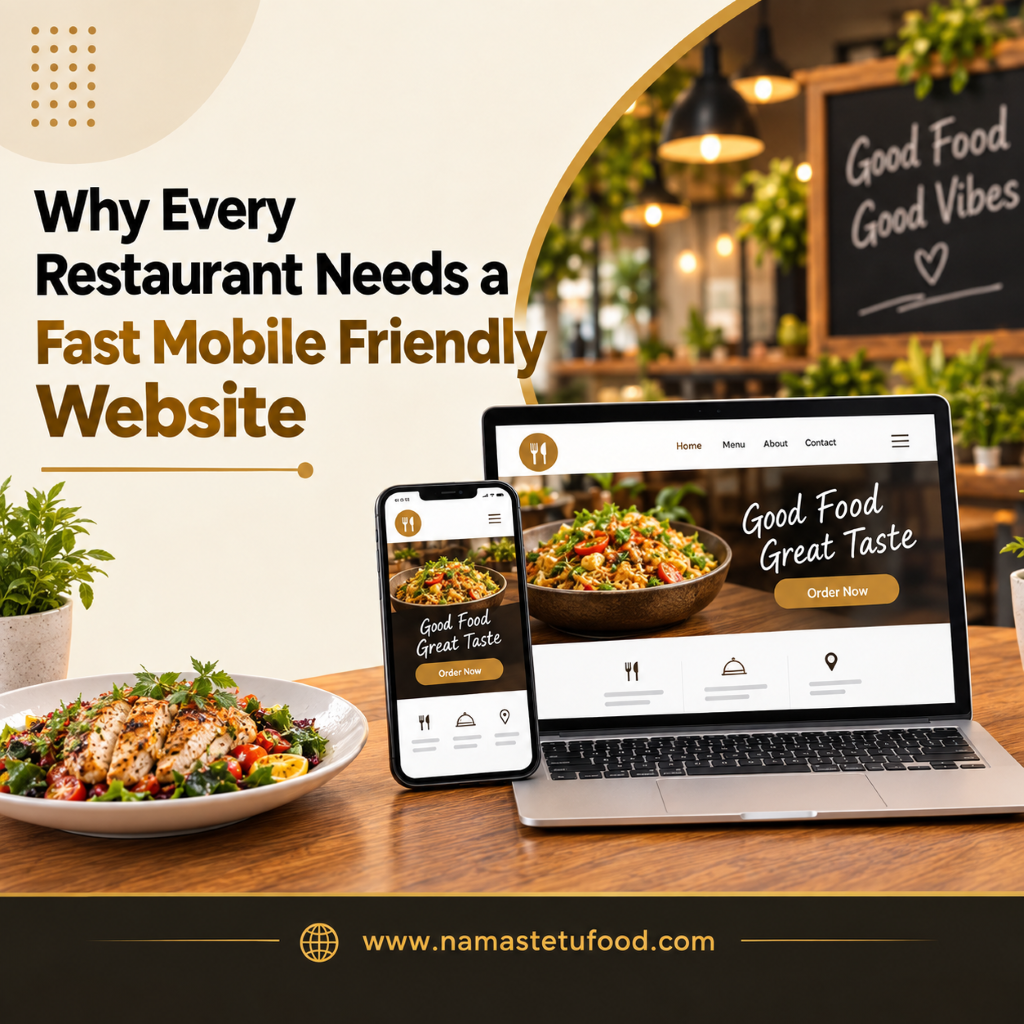
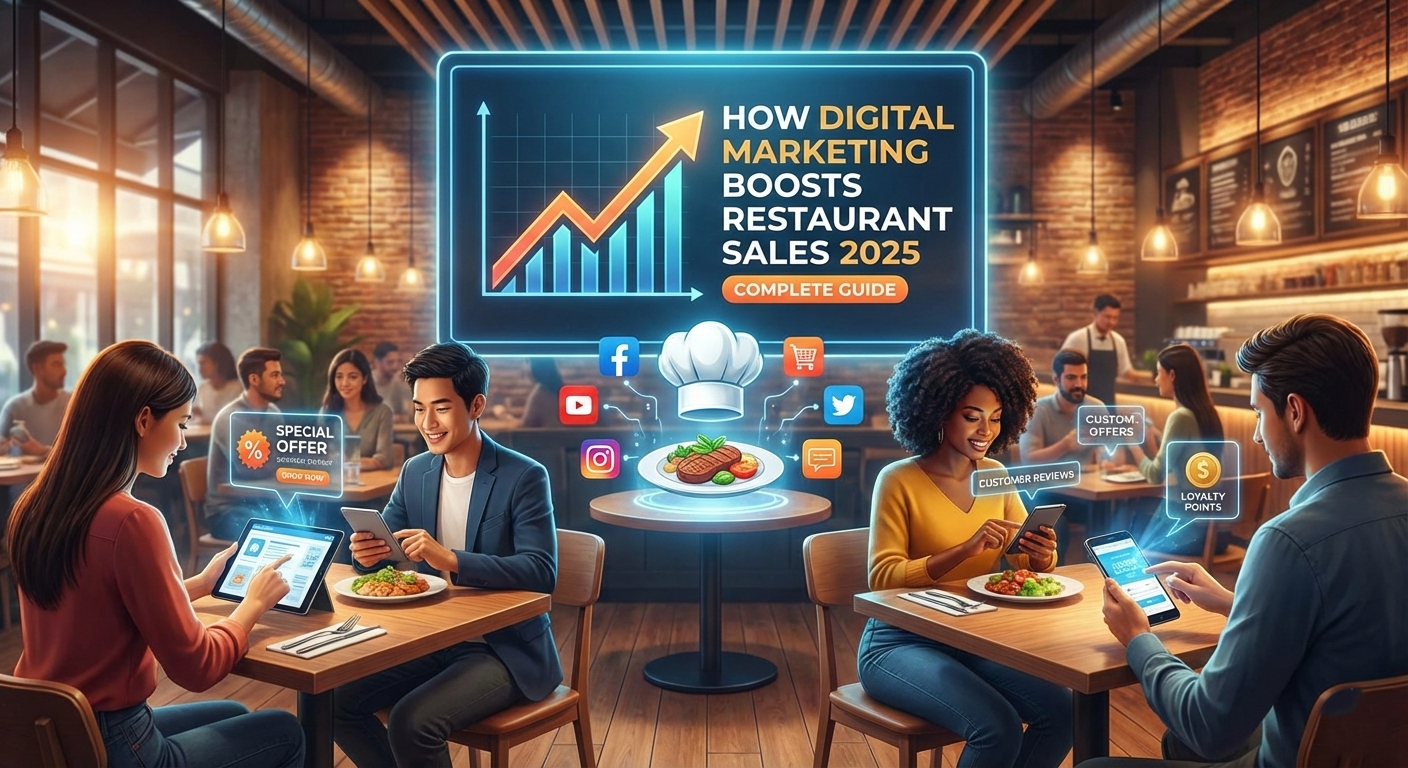
A beautifully branded restaurant with a slow, outdated website or an inactive Instagram page sends a confusing, mismatched signal to customers. Online visibility and branding need to work together, since a strong brand loses its impact if customers cannot actually find or recognize it online.
This is where many businesses fall short, treating their physical branding and their digital presence as two separate projects instead of one connected identity.
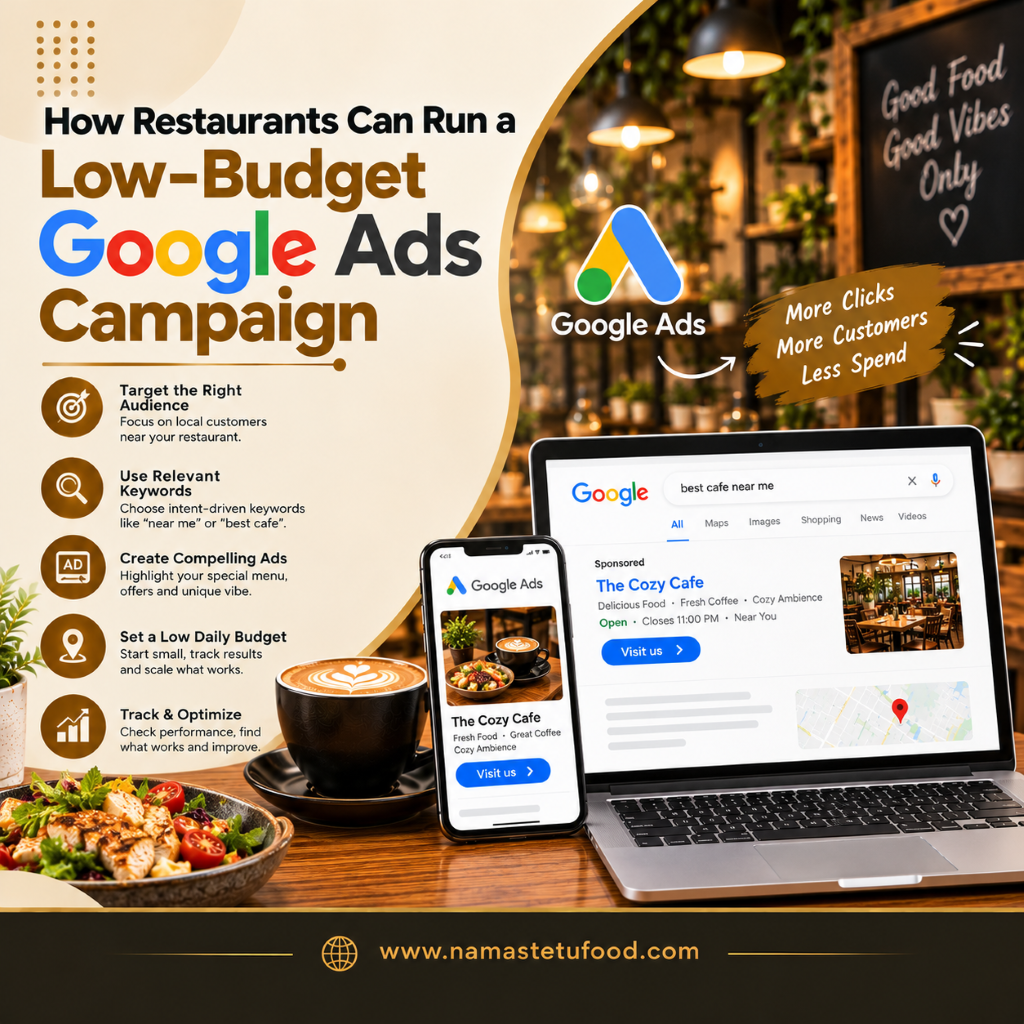
How a Restaurant Social Media Agency Builds Visibility
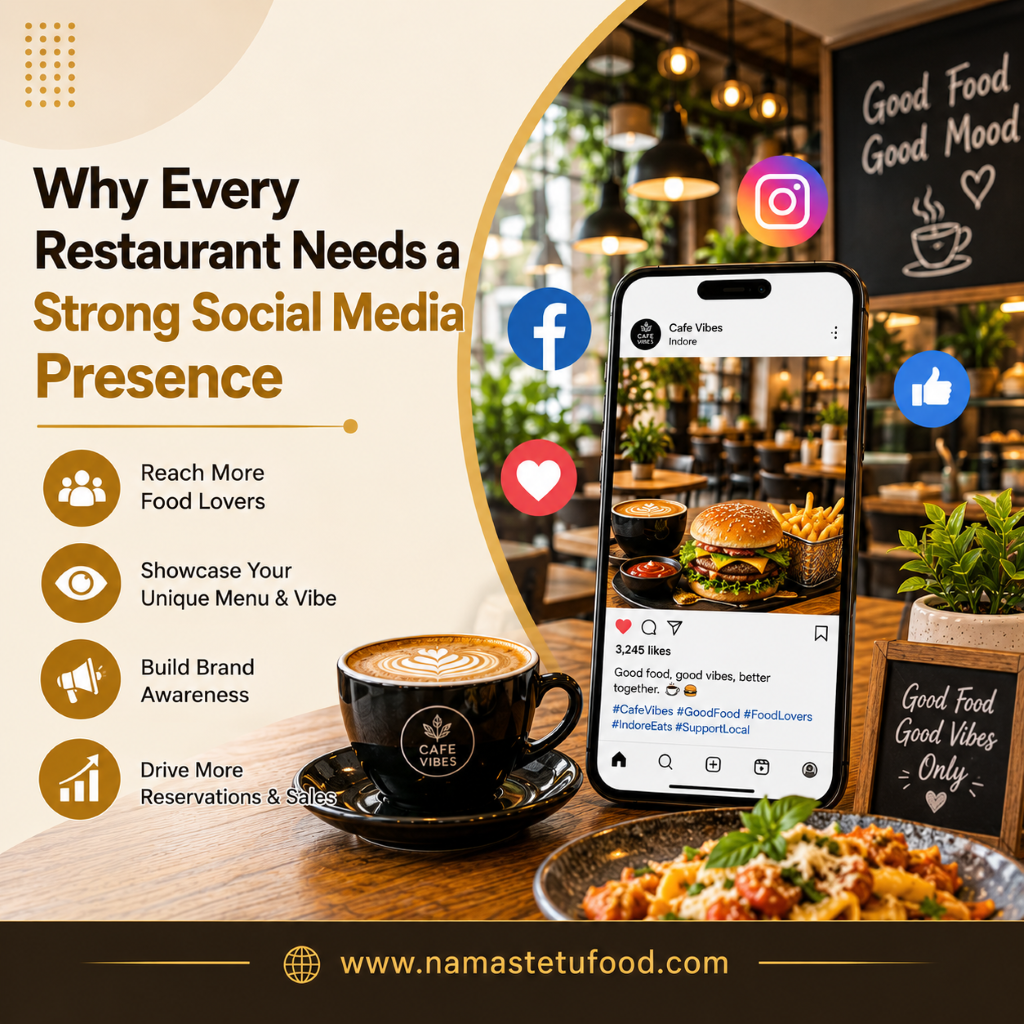
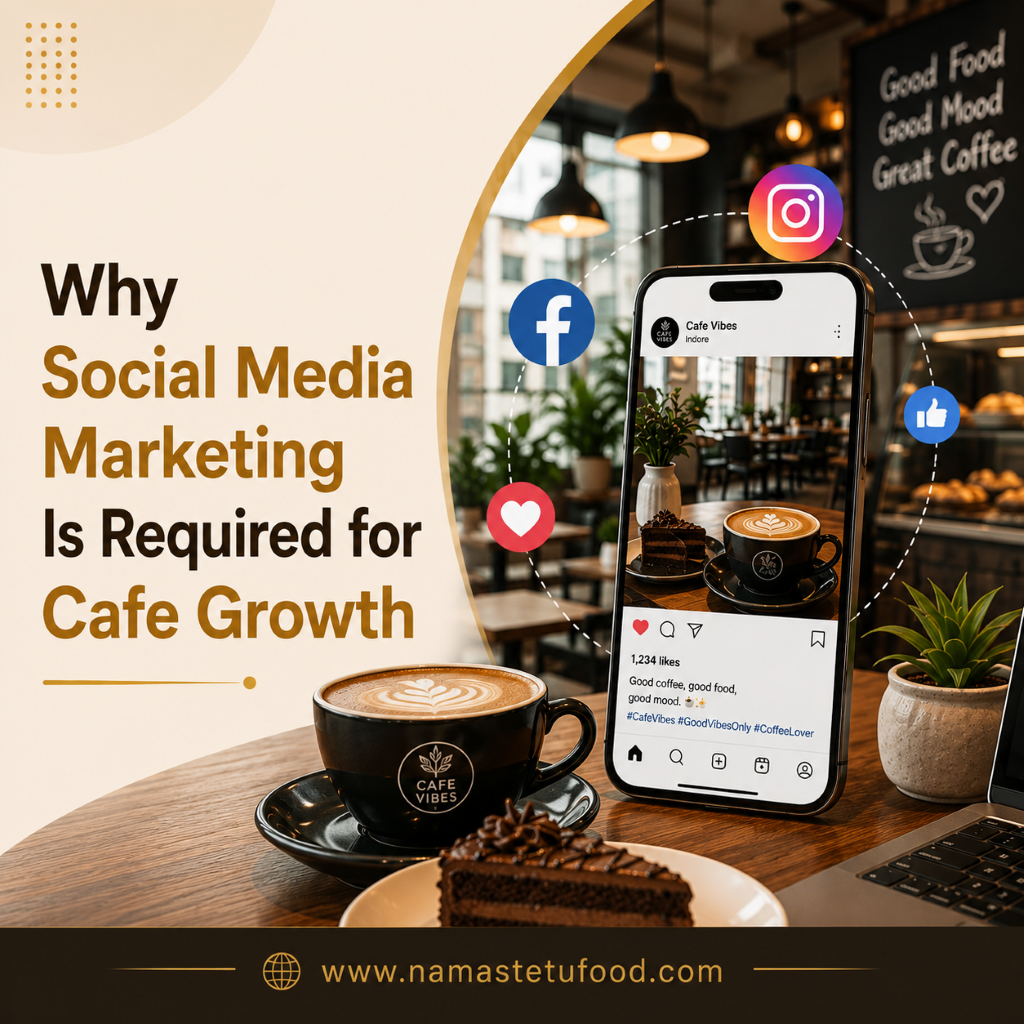
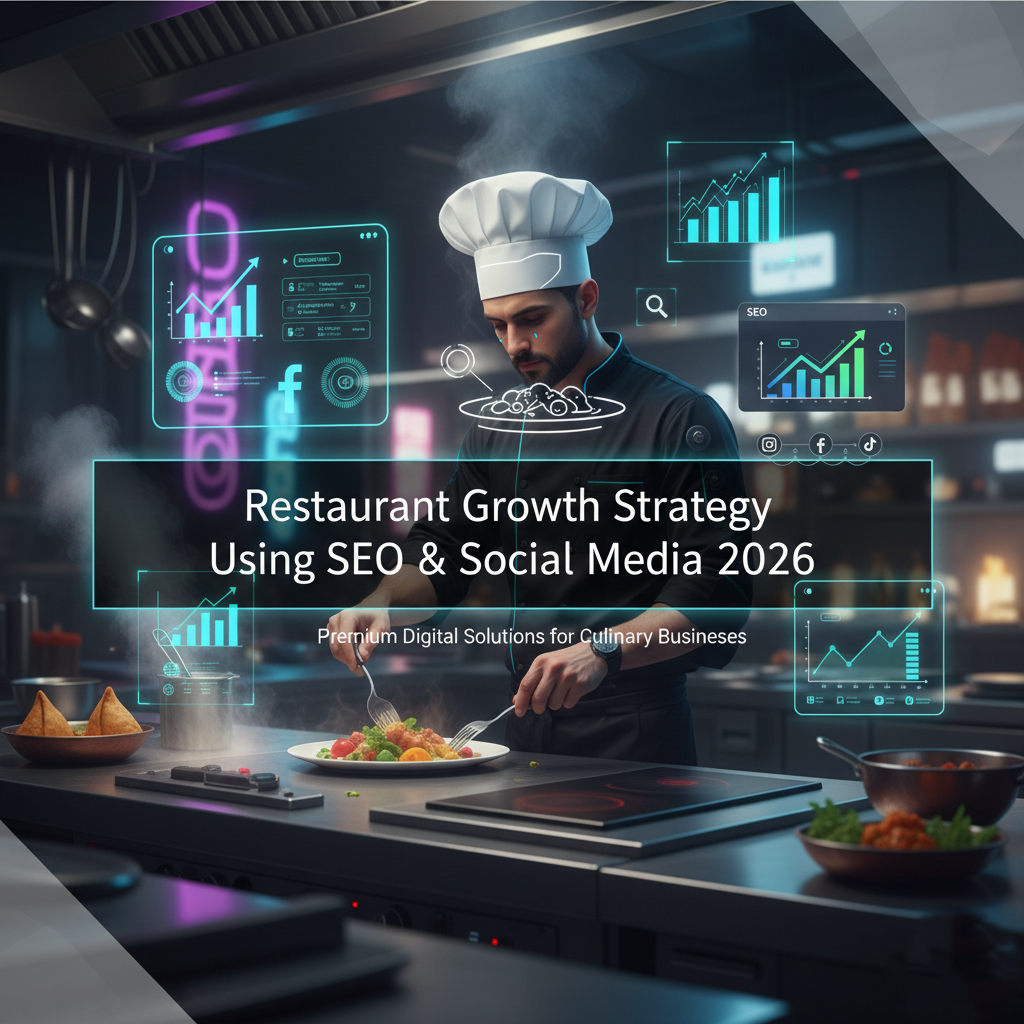
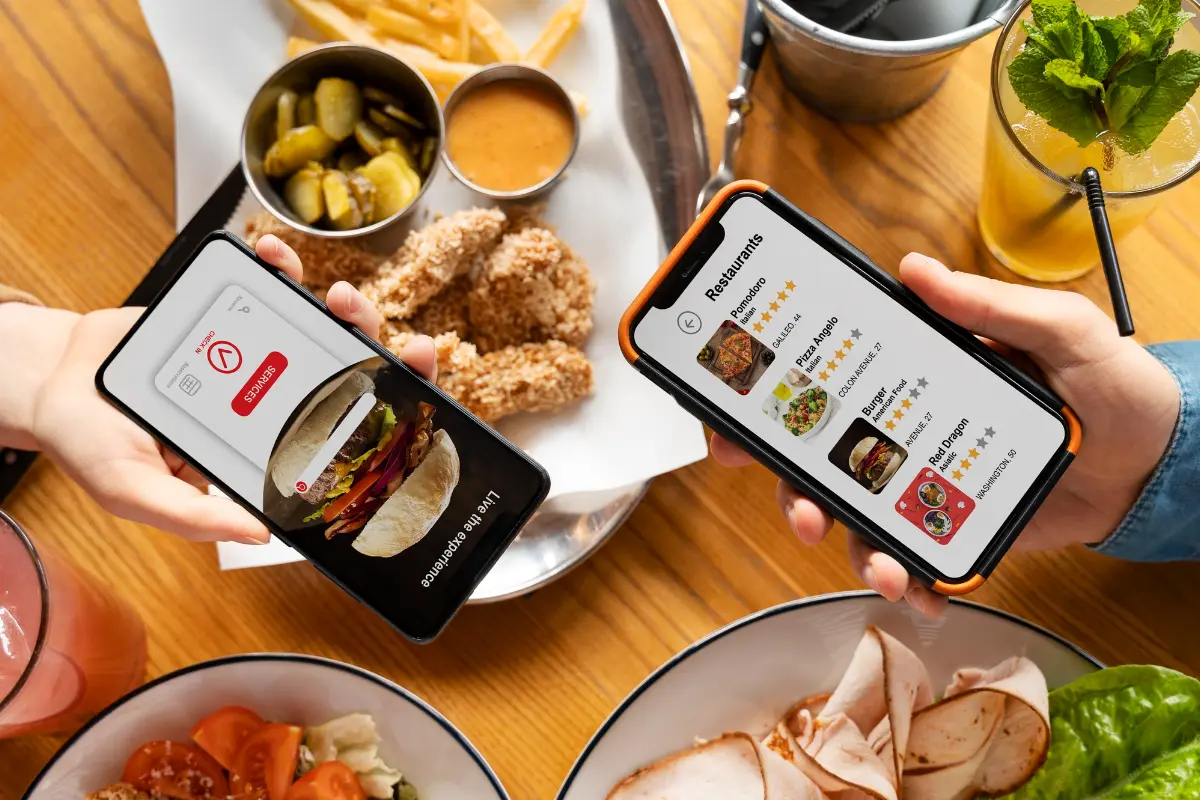
Managing consistent, on-brand content across multiple platforms takes real time, which is why many owners eventually bring in outside support. A restaurant social media agency typically handles content planning, posting schedules, and audience engagement, keeping the brand voice consistent even when the owner is busy running daily operations.
This consistency matters more than most owners initially realize, since a brand that posts polished content one week and nothing the next tends to confuse the very identity it is trying to build.
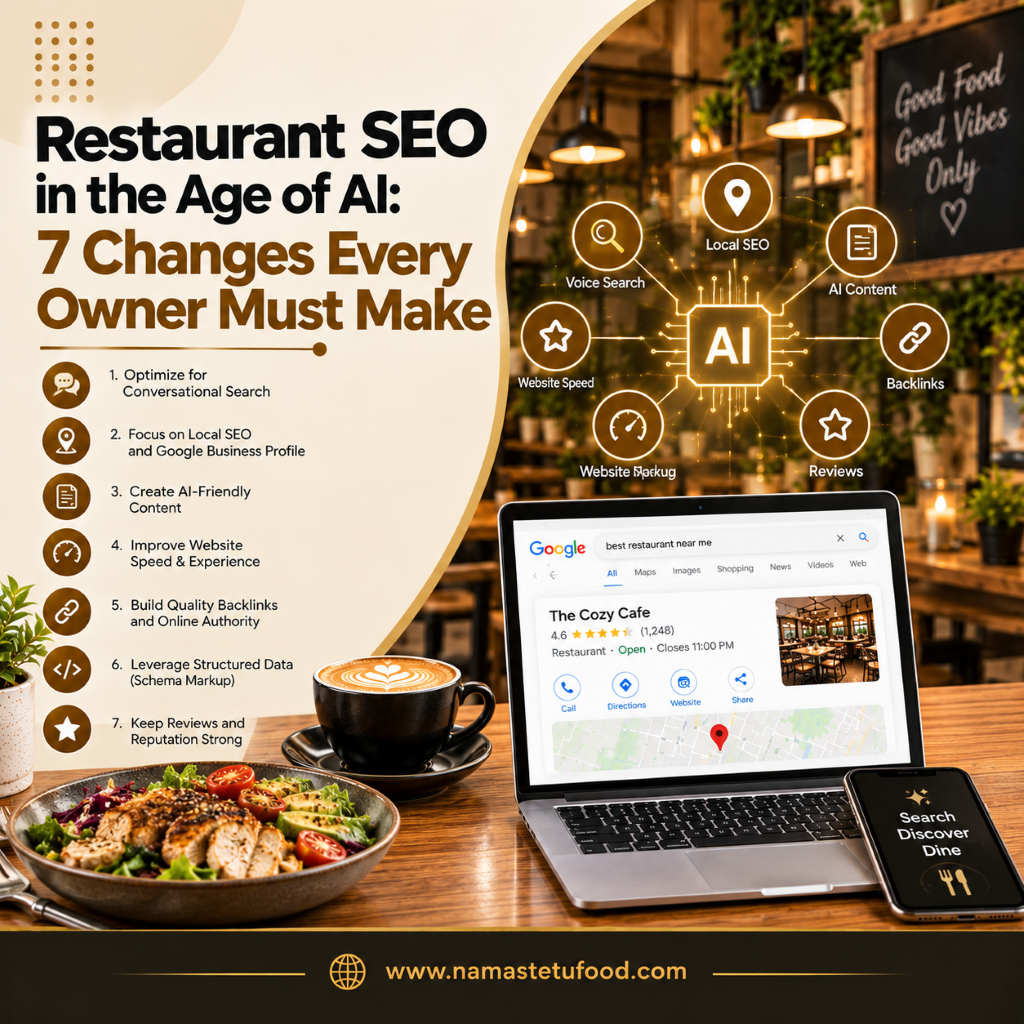
Why SEO for Restaurant Visibility Still Matters for Branding
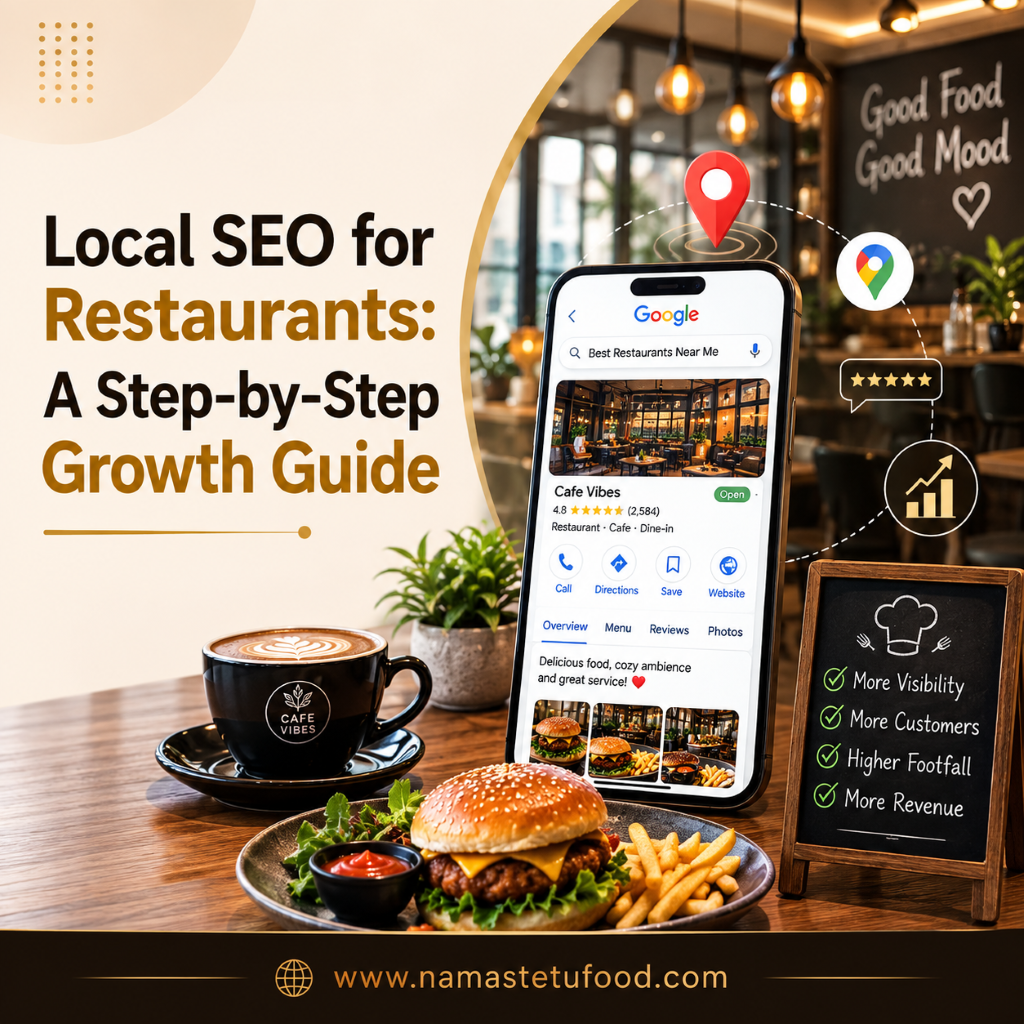
Strong branding means little if customers cannot find a business when they search online. SEO for restaurant visibility ensures a branded, well-designed business actually shows up when someone searches nearby, connecting the brand experience to real, everyday discovery.
Without this piece, even the strongest branding effort risks staying invisible to the very customers it was built to attract.
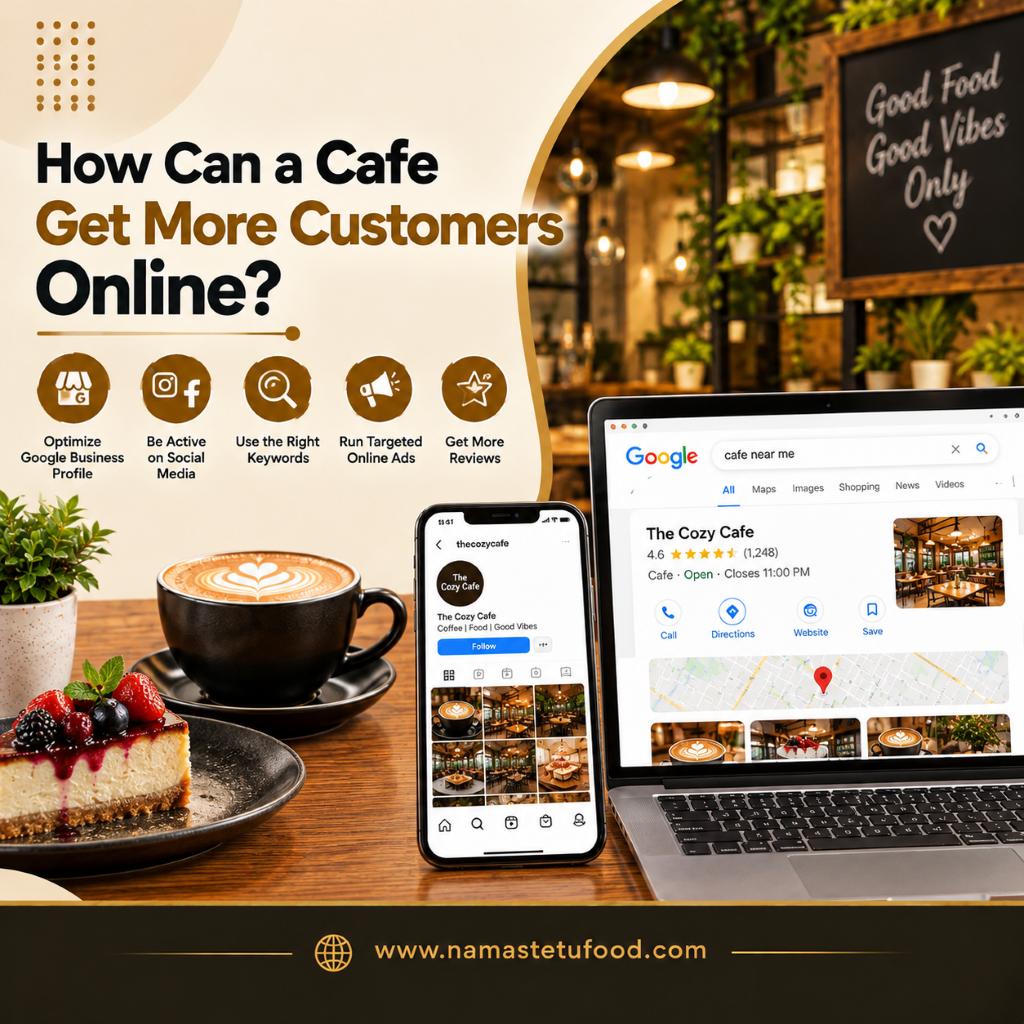
Social Media Marketing for Cafes: A Different Visual Approach
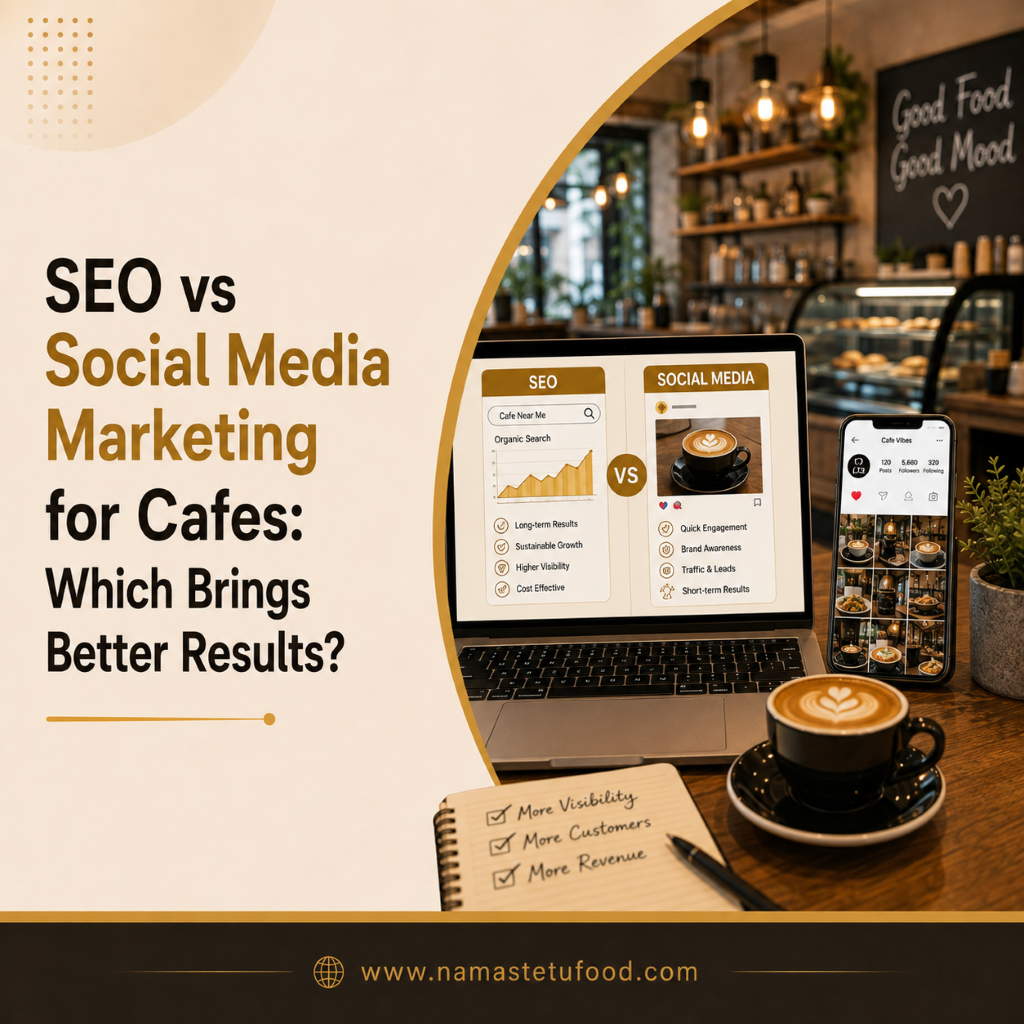
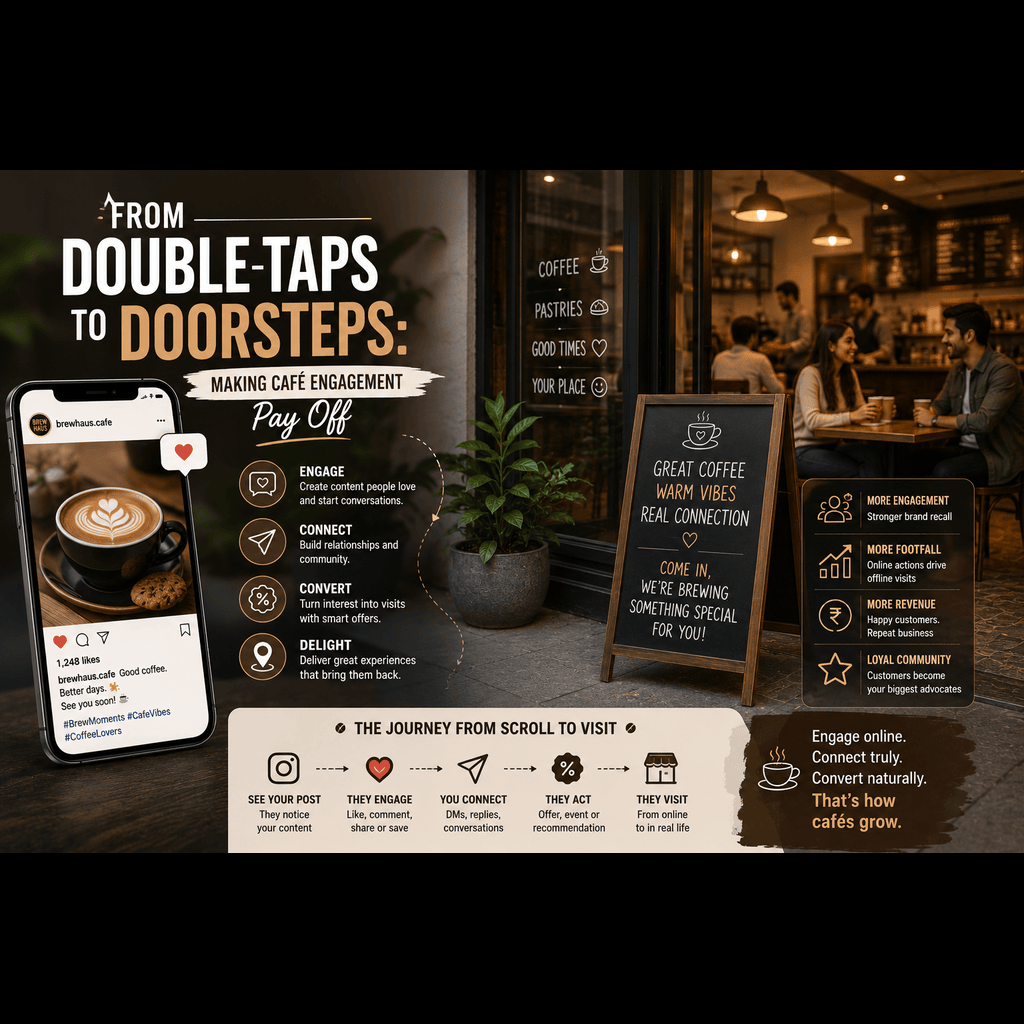
Cafes generally need a slightly different branding approach compared to full-service restaurants, since their appeal often centers around ambience, drinks, and atmosphere rather than just food. Social media marketing for cafes tends to lean more heavily on lifestyle imagery, seating aesthetics, and the overall vibe that draws people in for a slower, more relaxed visit.
A cafe marketing agency that understands this distinction usually builds content around mood and experience first, with the menu playing a supporting role rather than the main focus.
Why Local Digital Marketing for Food Business in Indore Works Better
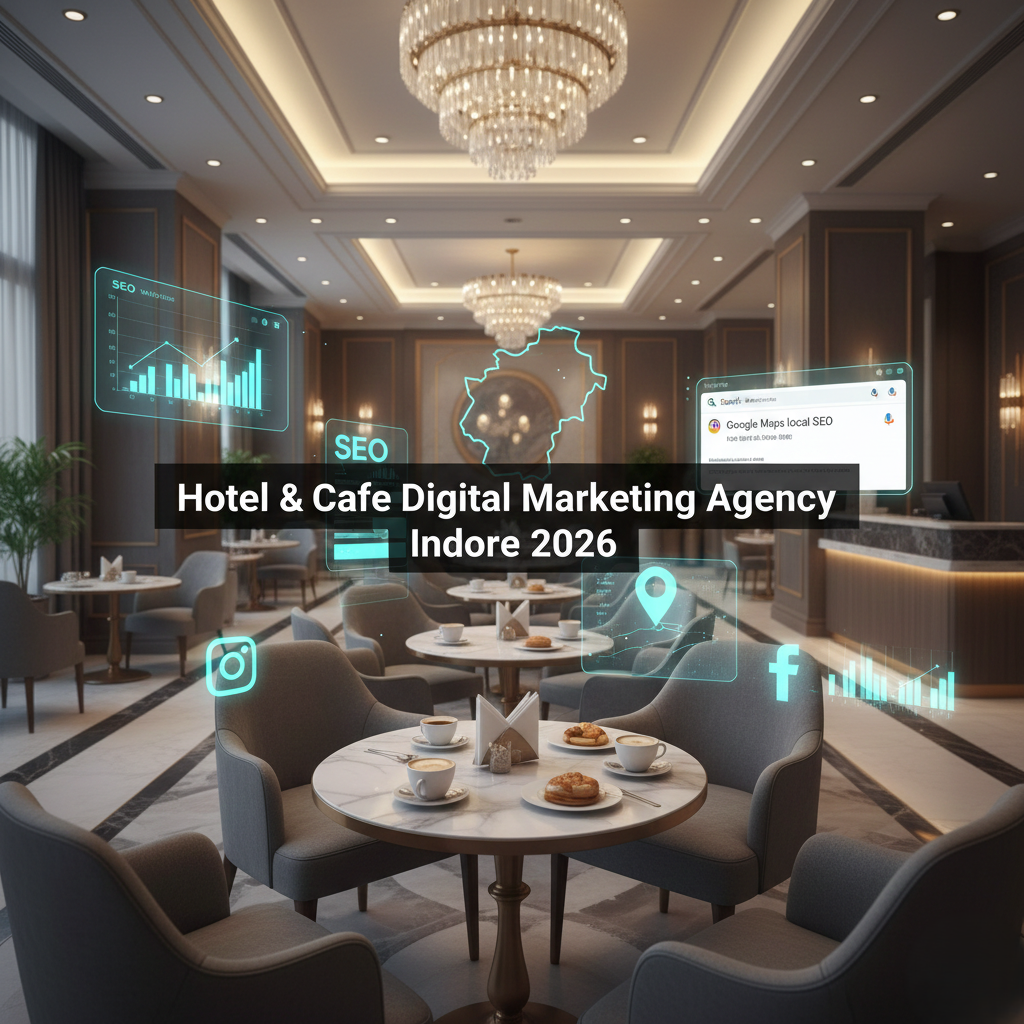
Generic, one-size-fits-all branding rarely connects the way locally tailored content does. Digital marketing for food business in Indore performs noticeably better when content reflects real neighborhood culture, local festivals, and the specific dining habits of people in this city.
We have seen this firsthand with our own clients, where content built around local Indore references consistently earns more genuine engagement than posts copied from generic national templates.
Working With a Food Digital Marketing Agency for Consistency
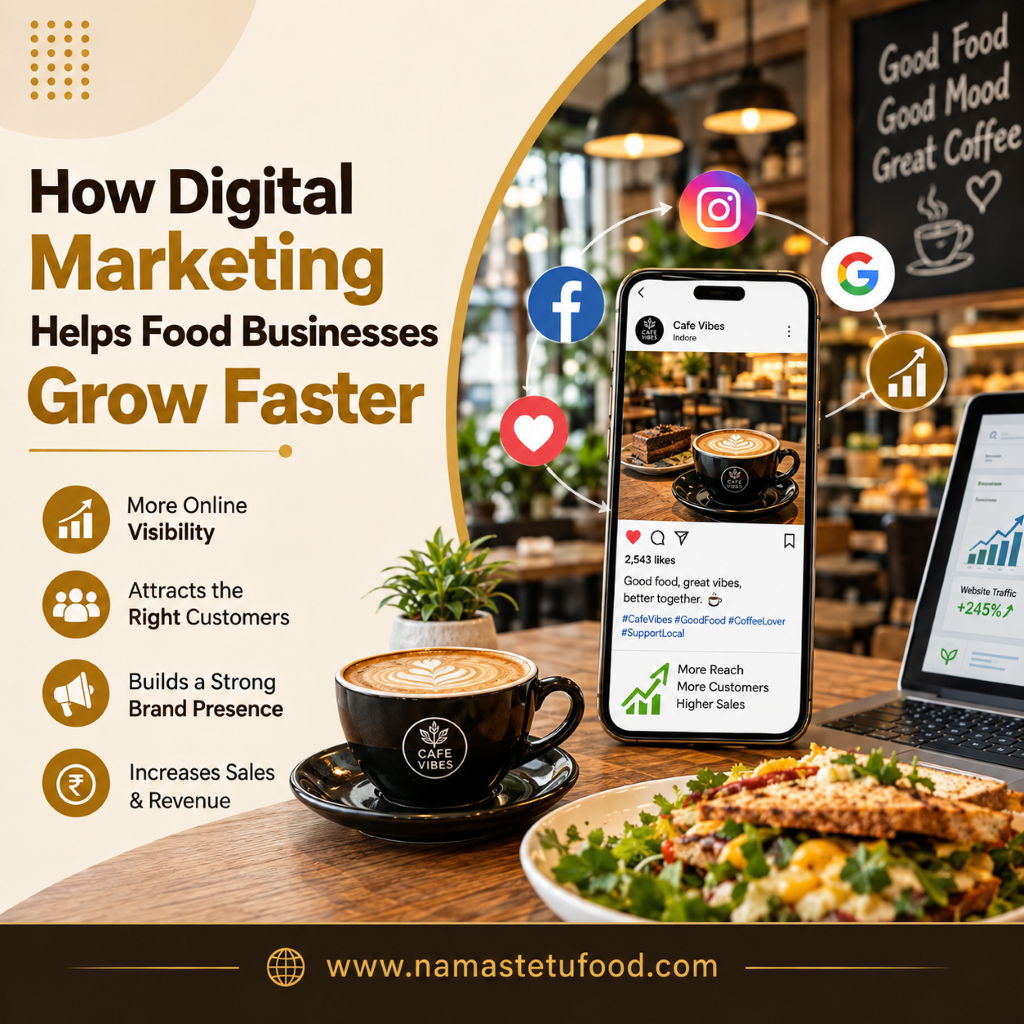
Coordinating branding, content, SEO, and ads separately often leads to a disconnected experience across different platforms. A food digital marketing agency typically manages all of this together, ensuring a consistent brand identity shows up everywhere a customer might encounter the business.
This connected approach tends to build stronger recognition over time than managing each channel separately, since customers subconsciously notice consistency even when they cannot quite explain why a brand feels trustworthy.
Common Branding Mistakes Food Businesses Make
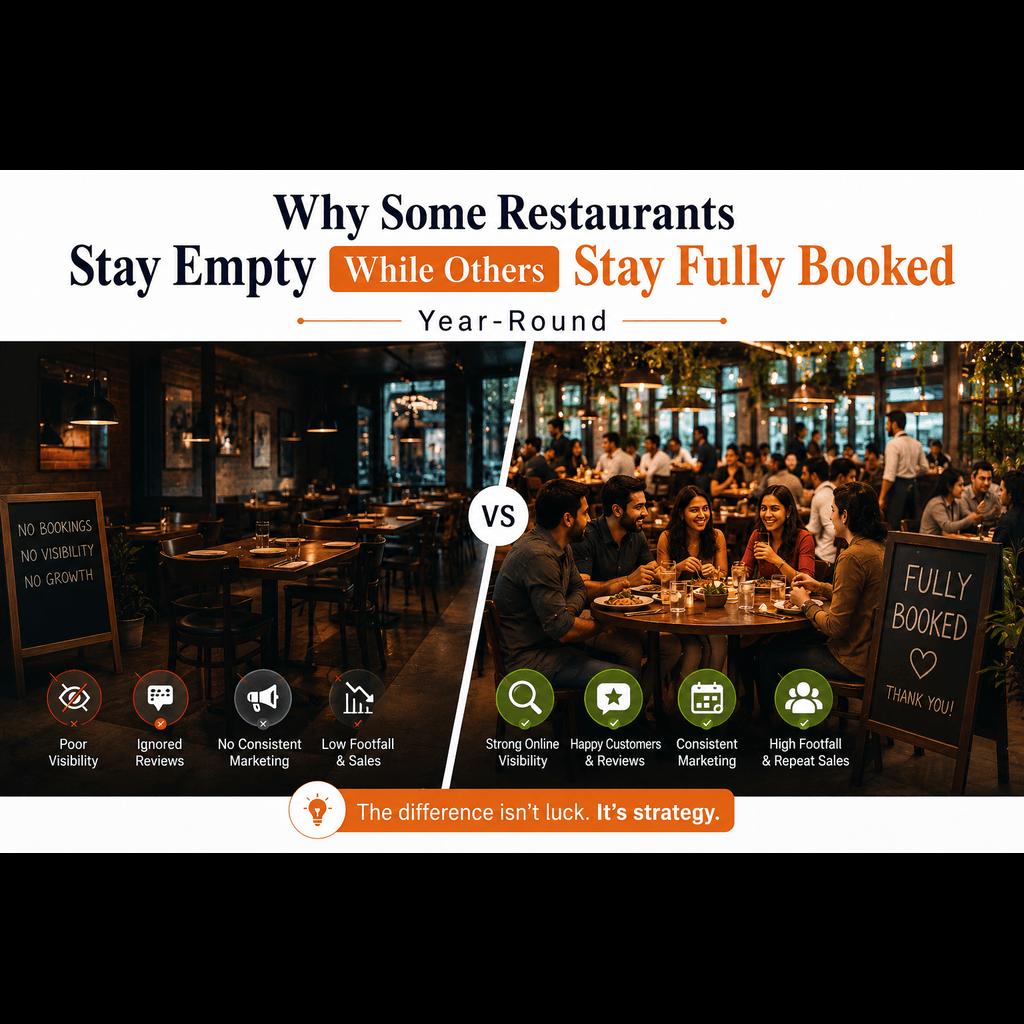
Even businesses that care about branding often undermine their own efforts through a few avoidable habits. Inconsistent visuals across platforms confuse customers, making a business feel less established even when the food and service are genuinely strong.
- Using different logos, colors, or tones across different platforms.
- Posting low-quality photos that do not reflect the actual food or space.
- Copying a competitor’s branding instead of developing a distinct identity.
- Ignoring customer reviews instead of responding and engaging with them.
- Changing brand direction too frequently, confusing loyal customers.
Fixing even one or two of these inconsistencies often produces a visible improvement in how professional and trustworthy a brand appears within weeks.
Frequently Asked Questions
What are the top strategies for effective food branding?
The top strategies for effective food branding include consistent visuals across platforms, strong food photography, a clear brand personality, and an online presence that actually matches the in-person experience.
How is food branding different from branding other products?
Food branding relies heavily on visual appeal and emotional triggers like appetite and mood, making photography and sensory presentation more important than in many other industries.
Does online visibility affect a food brand’s success?
Yes, strong branding loses much of its impact if customers cannot find the business online, which is why SEO and consistent social media matter alongside visual identity.
How long does it take to build a recognizable food brand?
Most businesses start seeing noticeable brand recognition within three to six months of consistent effort across photography, social media, and online listings.
Should cafes and restaurants use the same branding approach?
Not exactly, since cafes typically lean more on ambience and lifestyle appeal, while restaurants often focus more directly on the food itself, requiring slightly different content strategies.
Conclusion
The top strategies for effective food branding come down to consistency, genuine visual appeal, and an online presence that truly matches the in-person experience customers walk into. Businesses that treat branding and online visibility as one connected effort, rather than separate tasks, tend to build the kind of recognition that keeps customers coming back and recommending them to others.
Not sure if your current branding is actually working? Connect with our team at Namastetu Food and find out exactly where your visuals, social media, and online listings are falling short.